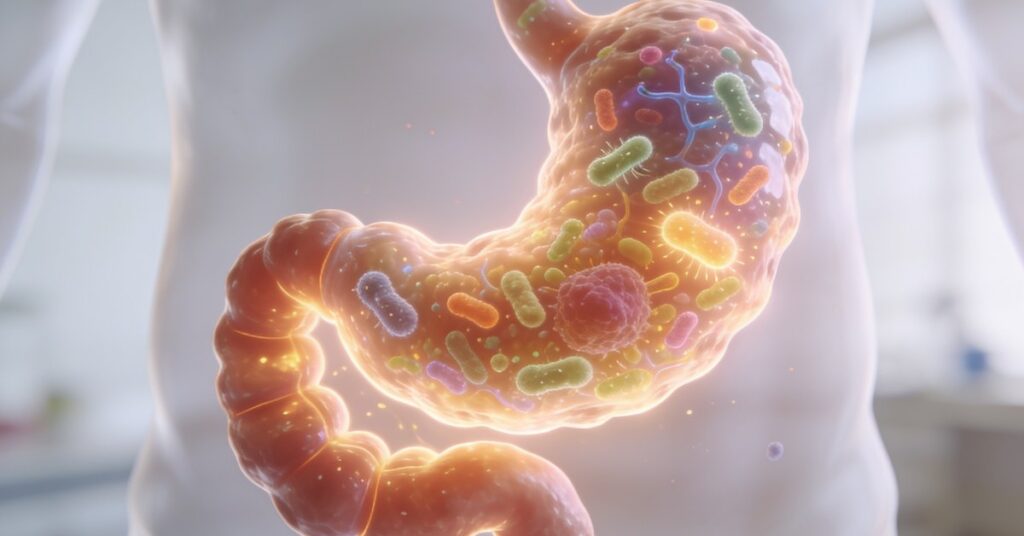
Recognising the subtle warning signs of an unhealthy gut is essential for maintaining digestive stability, whether you are managing a chronic condition or navigating the complex recovery process following an intestinal transplant. This article provides a clinical overview of the 10 signs of an unhealthy gut, offering evidence-based insights to help you identify potential complications early. You will learn how these symptoms impact your daily comfort and discover practical, professional strategies to support your gut health and enhance your overall recovery journey.
10 signs of an unhealthy gut
A compromised digestive system often manifests through various physical and psychological signals. Recognising these indicators is the first step towards restoring your internal balance and overall well-being. Below are the primary warning signs that your gut health may require attention.
Common indicators of digestive distress
When the microbiome falls out of balance, the body struggles to function optimally. You may notice a variety of uncomfortable symptoms that reflect an inefficient digestive process:
- Persistent bloating and excessive wind, which frequently occur when your system fails to process food effectively.
- Irregular bowel habits, including chronic constipation, diarrhoea, or frequent swinging between the two.
- Sensitivity to specific food groups, resulting in post-meal nausea, stomach aches, or sharp discomfort.
- Frequent episodes of indigestion or heartburn.
Systemic effects of gut imbalance
The health of your gut extends far beyond the stomach. An imbalance can trigger widespread issues throughout the body due to the complex connection between digestion, immunity, and hormone regulation:
- Intense sugar cravings, often driven by an overgrowth of bacteria that thrive on glucose.
- Unanticipated changes in body mass, such as unintentional weight gain or loss, caused by poor nutrient absorption or disrupted blood sugar levels.
- Recurring skin conditions, including acne, eczema, and psoriasis, which are regularly linked to internal inflammation.
- Ongoing fatigue, as the body expends excessive energy trying to manage internal strain despite adequate rest.
- Sleep disturbances, potentially caused by the gut’s reduced ability to produce essential neurotransmitters and hormones that regulate your sleep cycle.
- Mood fluctuations, including heightened anxiety or irritability, as a significant portion of serotonin is produced within the digestive tract.
- A weakened immune response, leaving you more susceptible to frequent illnesses and lingering infections.
Addressing these imbalances often leads to a marked improvement in daily comfort. Individuals who take steps to support their digestive health typically experience more regular bowel movements, significantly reduced bloating, and a general increase in vitality.
Top signs of an unhealthy gut and digestive issues
The top signs of an unhealthy gut include frequent gas, bloating, heartburn, diarrhoea, or constipation, alongside unintentional weight changes and food intolerances. You may also notice persistent skin irritations such as acne, eczema, or psoriasis, or suffer from persistent bad breath known as halitosis. Furthermore, constant fatigue, sleep disturbances or insomnia, sugar cravings, mood swings, anxiety, and a feeling of brain fog are frequently reported by patients experiencing digestive dysfunction. Identifying these 10 signs of an unhealthy gut early is the most effective way to prevent long-term complications and ensure that your body maintains the delicate balance required for optimal recovery and systemic health.
How poor gut health and bad bacteria affect digestion and bloat
Poor gut health primarily causes bloating and digestive issues through microbial imbalance, which leads to the excessive fermentation of undigested food particles by bad bacteria. This process produces gases such as hydrogen, methane, or carbon dioxide, while impaired motility slows down the muscle contractions necessary to move waste through the intestines, effectively trapping gas. Additionally, a lack of the lactase enzyme means that undigested lactose reaches the colon, triggering further bacterial fermentation that results in discomfort.
Visceral hypersensitivity and bacteria in the gut
Visceral hypersensitivity causes inflamed gut linings to perceive even normal volumes of gas or food as painful bloat, a common issue for many patients. Incomplete breakdown of nutrients allows complex carbohydrates and sugars to pass partially undigested into the lower gut, which exacerbates these symptoms. It is a significant concern, given that nearly 70 million Americans are affected by digestive diseases annually, leading to chronic conditions such as nausea, heartburn, and erratic bowel movements.
Signs your gut needs attention: the gut-skin axis and acne
Signs your gut is struggling frequently trigger skin problems because a weakened intestinal lining allows toxins to enter the bloodstream, sparking system-wide inflammation that manifests as acne, eczema, or psoriasis. An imbalanced gut microbiome, referred to as dysbiosis, is the root cause of this systemic response. Scientists have recognised the link between acne and increased intestinal permeability as early as 1916, highlighting just how long we have understood this connection.
Improving gut microbiome diversity
People with acne often demonstrate lower gut bacteria diversity, specifically having fewer strains of Lactobacillus and Bifidobacteria. This relationship is so critical that a 2021 study by B. De Pessemier, which has been cited 794 times, provides extensive evidence regarding the gut-skin axis. By focusing on restoring bacterial balance, patients may see a reduction in the flare-ups of rosacea and other inflammatory skin conditions.
How gut health affects energy levels and IBS
Gut health affects energy levels significantly, as poor digestive function directly causes a reduced absorption of vital micronutrients like Vitamin B12 and iron. When your body cannot extract the necessary fuel from your food, energy levels plummet, and nearly half of all people who suffer from chronic fatigue also report living with IBS. The scientific community has taken note of this, with a 2022 study by A. Boolani, cited 31 times, confirming the direct link between gut bacteria and energy regulation.
Historical context of 10 signs of an unhealthy gut
The connection between digestive health and systemic fatigue was formalised when Frederick Health published their 10 signs of an unhealthy gut article on 29 July 2021. This document serves as a reminder that digestive diseases affect nearly 70 million Americans each year. Because the gut produces the majority of the body’s serotonin—a hormone that regulates sleep—an unhealthy digestive system often leaves patients struggling with both exhaustion and poor sleep quality.
Mapping how gut health affects the brain
The gut impacts mood and mental health primarily through the gut-brain axis, a bidirectional communication network that connects the enteric nervous system to the central nervous system. This direct line, facilitated by the vagus nerve, is highly sensitive to the state of your microbiome. The gut is an endocrine powerhouse, producing approximately 90% of the body’s serotonin and 50% of its dopamine, both of which are essential for emotional stability.
Clinical research on dysbiosis and mental health
Dysbiosis is strongly linked to a range of mental health disorders, including anxiety, depression, bipolar disorder, ASD, schizophrenia, and anorexia nervosa. Research in this field is rapidly expanding; for instance, M. Clapp’s 2017 publication on gut microbiota and mental health has been cited 906 times, while R.G. Xiong’s 2023 research on the role of gut microbiota in mental disorders has already reached 325 citations. These studies underscore that protecting your gut is one of the most proactive steps you can take for your mental wellbeing.
Ways to improve gut health naturally and starve bad gut bacteria
You can improve gut health naturally and starve bad gut bacteria by adopting a diet that includes at least 30 different plant foods per week and aiming for a daily intake of 30g of fibre. Incorporating fermented foods such as yogurt, kefir, sauerkraut, kimchi, or kombucha provides the necessary probiotics to rebalance your microbiome. Post-transplant recovery is a journey, and managing your nutrition is a huge step toward getting back to normal life; ever wondered if your current food choices are actually working for you rather than against you?
| Strategy | Benefit |
|---|---|
| Plant Diversity (30+ types/week) | Microbiome resilience |
| 30g Fibre Daily | Regular motility |
| Fermented Foods | Probiotic replenishment |
| Hydration with Meals | Optimal digestion |
Foods for gut health and dietary preparation
To support your digestive system, focus on eating nutrient-dense foods including sweet potatoes, Brussels sprouts, tofu, berries, leafy greens, nuts, and seeds. When selecting proteins, choose lean meat and fish, and always grill your food instead of frying to avoid unnecessary inflammation. Finally, be mindful of your beverage choices; avoiding caffeine drinks is a highly effective way to prevent heartburn and keep your digestive tract calm throughout the day.
Remember: Always consult your transplant coordinator or dietitian before making major diet changes, as your specific graft function and medication regimen may require a tailored nutritional approach.
- Consult your transplant dietitian to set personal targets.
- Keep a food diary to track symptom duration after meals.
- Introduce new fibre sources slowly to avoid sudden bloating.
- Monitor your daily intake of water and lean proteins.
Frequently Asked Questions
Can stress directly worsen the symptoms of an unhealthy gut?
Yes, stress activates the gut-brain axis, which can alter gut motility and increase intestinal permeability. This often worsens symptoms like bloat and abdominal pain for those already dealing with digestive sensitivities.
Should I take supplements to improve my gut health?
While some patients benefit from specific probiotics or enzymes, you should never start a new supplement regimen without your doctor’s approval. Your clinical team needs to ensure any supplement is compatible with your immunosuppressive medication.
How does sleep impact the 12 signs of digestive dysfunction?
Quality sleep is essential because the gut produces serotonin during rest, which regulates both your mood and your digestive cycle. Chronic insomnia can prevent the gut from repairing its lining, leading to a cycle of fatigue and poor digestion.
Is it normal to have food intolerances after a transplant?
It is not uncommon for the gut to become more sensitive following surgery, as the microbiome undergoes significant changes. Always track what you eat in a diary so you can identify specific triggers and discuss them with your dietitian.
Proactive monitoring of your digestive health allows you to identify early warning signs and adjust your nutrition before they interfere with your recovery. Prioritising a diverse, fibre-rich diet is the most effective way to support your microbiome and ensure your body has the strength it needs to thrive.