For patients navigating the complexities of intestinal recovery or post-transplant life, selecting the right foods is a fundamental pillar in managing digestive stability and overall nutritional health. In this article, I outline evidence-based strategies for identifying and preparing Easy To Digest Foods that minimise gastrointestinal strain while supporting your body’s unique recovery needs. By following these practical guidelines, you will gain the clarity and confidence required to build a safe, nourishing diet that fosters long-term intestinal well-being.
Easy To Digest Foods are defined as items low in fibre, fat, and complex connective tissues that allow the gastrointestinal tract to rest while still providing essential nutrients. For anyone with a sensitive stomach, the primary objective is to select ingredients that require minimal physical and chemical breakdown, thereby reducing the risk of bloating, cramping, or malabsorption. By prioritising refined grains, lean proteins, and properly prepared fruits and vegetables, you can ensure your digestive system remains functional and comfortable during its most vulnerable phases.
Easy to digest foods
Foods that are simple for the body to break down are typically characterised by a low fibre content, minimal fat, and a soft consistency. Examples include plain white rice, toasted bread, and bananas. Consuming these items reduces the workload on your gastrointestinal tract, which can alleviate symptoms such as bloating, excessive gas, and general stomach discomfort.
General characteristics of easily digestible foods
In general, food items are much simpler for your system to process if they have been prepared using methods like blending, boiling, or steaming. These foods usually share several key traits:
- A soft and gentle texture.
- A mild flavour profile.
- A composition that the body can process with minimal effort.
- A reduced likelihood of causing irritation.
Recommended staples for your diet
If you suffer from frequent gut-related issues, incorporating the following items may be beneficial:
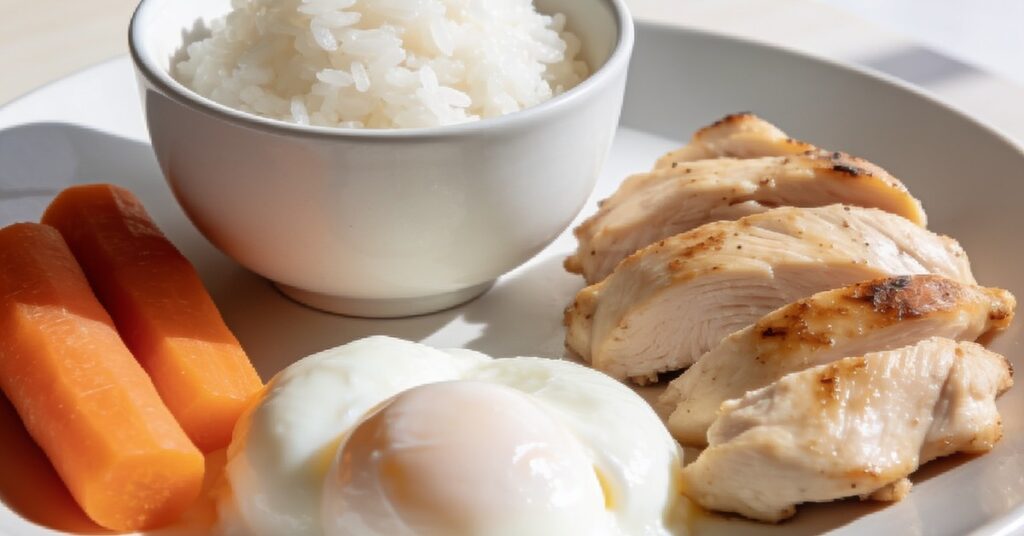
- White rice: The removal of the outer husk (fibre) makes this grain exceptionally easy for the digestive system to manage.
- Toast and plain crackers: Simple white bread or basic saltine crackers are notably gentle on a delicate stomach.
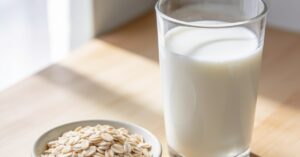
- Oatmeal: When cooked until very soft, plain oats offer a soothing, warm meal that is easily processed.
- Bananas: Ripe, soft bananas are simple to chew and digest, whilst also offering a good supply of potassium.
- Applesauce: The blending and cooking process effectively pre-digests the fruit, making it very soothing.
- Cooked carrots: Steaming or boiling these vegetables breaks down tough fibres, allowing the gut to process them more efficiently.
- Lean poultry: Skinless chicken or turkey provides vital protein whilst remaining low in fat, unlike heavier meats such as beef or pork.
- Eggs: Poached or scrambled eggs have a soft texture which the body finds easy to handle.
- Plain yoghurt: Varieties without added sugar often contain beneficial bacteria that assist with digestion, provided you do not have a sensitivity to dairy.
- Potatoes: Whilst naturally starchy, mashing potatoes into a smooth purée further breaks down the fibres, facilitating easier digestion.
Preparation tips for better digestion
To improve the digestibility of your meals, consider the following advice:
- Cook your vegetables: Always opt to boil or steam vegetables to soften their fibre content.
- Choose lean proteins: Prioritise lean cuts of meat to avoid the digestive strain caused by high fat and cholesterol levels in red meats.
- Process your food: Use methods such as mashing or puréeing to do some of the 'work’ your digestive tract would otherwise have to perform.
When a Low-Residue Diet Helps Digestion and Prevents Constipation
You should transition to a low-residue, easily digestible diet plan during specific clinical windows where the gut requires mechanical and chemical rest to facilitate healing or manage acute symptoms. These periods include active phases of gastritis, peptic ulcers, or inflammatory bowel disease (IBD), where the intestinal lining is inflamed and highly reactive to coarse particles. Additionally, this approach is critical during post-surgery recovery to allow the stomach and intestines to heal without the stress of processing high-fibre loads, as well as during recovery from gastric bypass surgery. You may also find this diet necessary when experiencing nausea or vomiting that is currently under control, during acute illness accompanied by fever or diarrhoea, or before medical procedures such as a colonoscopy, where the bowel must be completely cleared of residue. By proactively shifting to these gentler options, you effectively reduce the workload on your digestive tract, allowing the inflammatory response to subside and providing the necessary environment for tissue repair.
Optimal Easy To Digest Foods for Sensitive Stomachs and Lean Meat Absorption
The most effective Easy To Digest Foods are those that are nutrient-dense yet gentle, including white rice, plain toast, bananas, skinless chicken or turkey, cod or haddock, scrambled or poached eggs, applesauce or stewed apples, and bone broth. Ever wondered if your current meal plan is actually working against your recovery? Using this simple comparison can help you distinguish between gut-friendly staples and items that might be causing unnecessary friction:
| Category | Recommended Choice | Avoid (Hard to Digest) |
|---|---|---|
| Protein | Skinless Chicken/Fish | Sausage/Bacon |
| Carbs | White Rice/Refined Cereals | Whole Grains/Brown Rice |
| Fruits/Veg | Canned/Peeled/Cooked | Raw/Cruciferous/Seeded |
These selections provide high-quality protein and simple carbohydrates that are readily absorbed by the body without triggering excessive digestive secretions or peristaltic movement. Bone broth, in particular, is highly valued in clinical settings for its ability to provide hydration and essential electrolytes in a liquid form that places zero mechanical demand on the gut. By incorporating these staples, you create a baseline for nutrition that supports recovery while keeping digestive distress to an absolute minimum. It is vital to remember that individual tolerance can vary, so monitor your body’s response closely when introducing these items back into your daily routine. Prioritising these gentle foods ensures that you receive the energy necessary for your daily activities without overburdening a digestive system that may already be operating at reduced capacity due to illness or surgical trauma.
Low-Fibre Dietary Requirements and Oat Alternatives
A low-fibre diet, which typically involves consuming less than 10 to 15 grams of fibre per day, is essential for reducing the transit time and bulk of waste through the intestines. You should focus on refined carbohydrates such as white bread, plain white pasta, and refined crackers, alongside cereals like Cream of Rice and cornflakes, rather than high-fibre options like raw oat. Protein intake should be prioritised through tender chicken, turkey, fish, eggs, and tofu, while fats can be introduced via smooth peanut butter. For your fruit and vegetable intake, stick to ripe bananas, applesauce, canned peaches, and canned pears, or well-cooked, peeled, and canned carrots, potatoes, green beans, and zucchini. Furthermore, milk, yogurt, and mild cheeses can be included to maintain calcium levels, provided you do not have specific lactose sensitivities. This controlled approach prevents the mechanical abrasion of the intestinal wall, allowing for a smoother transit and reducing the risk of obstruction or irritation in sensitive segments of the bowel.
Preparation Methods to Help Digestion and Cooked Vegetables
To maximise the digestibility and absorption of nutrients, you must employ specific preparation methods that physically break down fibrous structures and reduce the presence of anti-nutrients. Post-transplant recovery is a journey, and managing your nutrition is a huge step toward getting back to normal life; keep this process simple by following these steps:
- Steam, boil, or stew fibrous foods until they are soft enough to mash with a fork.
- Purée cooked vegetables into smooth liquids to avoid mechanical stress on the gut.
- Remove all seeds and tough peels from produce before cooking.
- Soak grains and legumes to reduce phytic acid and improve mineral uptake.
It is also vital to remove all peels and seeds from tomatoes, apples, or beans, as these are common sources of insoluble fibre that can cause irritation. To further improve the bioavailability of your meals, pair cooked greens with olive oil or coconut oil, mix plant-based iron sources like spinach with citrus juice, and use slow-cooking methods for meats to break down tough connective tissues. Finally, opt for grilling, poaching, baking, or broiling instead of frying, as this prevents the formation of heavy, greasy residues that are notoriously hard to process. These preparation techniques are not merely culinary preferences but clinical strategies designed to lower the metabolic cost of digestion for your body. By transforming the texture and chemical composition of your ingredients before they even reach your stomach, you empower your digestive system to focus on assimilation rather than the heavy lifting of physical breakdown.
Foods to Avoid and Dairy Products for a Sensitive Gut
You must strictly avoid foods that are high in fat, heavily seasoned, or rich in insoluble fibre, as these are the primary culprits for digestive distress and delayed gastric emptying. Specifically, steer clear of French fries, fried chicken, burgers, and chips, as well as sausage, bacon, and fatty cuts of beef, which sit in the stomach for too long. Avoid high-fat dairy such as butter, whole milk, and heavy cream, and eliminate intense spices like chilli powder, hot peppers, curry, ginger, and Tabasco, which can irritate the delicate lining of the digestive tract. Furthermore, avoid acidic foods like tomatoes, tomato sauce, oranges, lemons, and grapefruits, as well as raw cruciferous vegetables like broccoli, cauliflower, and cabbage. Finally, keep your intake of dried beans, peas, and lentils to a minimum, and exclude stimulants like coffee, strong black tea, and alcoholic drinks to prevent further irritation. These items are inherently challenging for a healthy gut and can be catastrophic for one that is recovering, as they promote inflammation and osmotic imbalance.
Structuring Daily Meals and Snacks for Better Absorption
A structured approach to your daily meals and snacks ensures that your digestive system remains predictable and supported throughout the day. In my experience, keeping a food diary is the best way to spot what triggers a reaction, especially when your graft function is being monitored closely by your clinical team.
- Breakfast: Cream of Wheat or refined cereals like Corn Flakes; canned pears.
- Lunch: Plain white rice with skinless, broiled chicken.
- Dinner: Peeled, baked white potatoes with scrambled eggs (cooked in minimal olive oil).
- Hydration: Drink plenty of fluids, such as clear chicken or vegetable broths, throughout the day.
Remember: Always consult your transplant coordinator or dietitian before making major diet changes, as individual tolerance can vary significantly based on your medications and medical history. By adhering to this framework, you provide your body with a consistent, low-residue fuel source that avoids the common pitfalls of modern, high-fat diets. Consistency is the secret weapon in your nutritional toolkit, as it allows your intestinal tract to adapt to a predictable rhythm rather than reacting to a chaotic variety of textures and chemical stimulants. As you gain more experience, you may find that you can gradually broaden your intake, but maintaining these simple, reliable staples remains the safest strategy for long-term health and stability.
Frequently Asked Questions
Is it safe to include a probiotic when eating Easy To Digest Foods?
Yes, adding a probiotic can be beneficial, but you should always consult your medical team first to ensure the strain is appropriate for your specific intestinal health needs. Probiotics may assist in restoring gut flora balance, which is often disrupted during chronic digestive issues or post-operative recovery.
Why is white rice the preferred grain for sensitive digestion?
White rice is preferred because it has been refined to remove the fibrous husk, making it significantly easier for the body to break down and absorb compared to whole grains. This simplicity helps prevent irritation and provides a reliable source of energy that rarely triggers adverse gastrointestinal symptoms.
Should I drink plenty of fluids while following a low-fibre diet?
Yes, you must drink plenty of fluids to maintain hydration and assist the digestive tract in processing food efficiently without the bulk of high-fibre intake. Staying well-hydrated is crucial for preventing stool hardening and ensuring that nutrients are transported effectively through the system.
Are plant-based proteins always harder to digest than animal sources?
Not necessarily, as many plant-based proteins like tofu can be very digestible if prepared correctly by pressing and cooking them thoroughly. However, some legumes and beans are harder to digest due to their high fibre and carbohydrate content, so careful preparation is required to make them suitable for a sensitive gut.
The path to recovery is paved with the deliberate choices you make at each mealtime to prioritise simple, gentle ingredients that support rather than challenge your physiology. Remember that listening to your body’s feedback is your most valuable tool, so proceed with patience and keep your clinical team closely involved in every step of your nutritional journey.