Navigating nutritional trends like a 7 Day Liver Cleanse Diet requires extreme caution when managing intestinal health or post-transplant recovery, as your liver and digestive tract require stable, evidence-based support rather than restrictive fads. In this article, I will provide a professional breakdown of why these commercial detoxes are often counterproductive and offer a safe, practical framework for supporting your liver through balanced, sustainable nutrition. By understanding the clinical reality behind these protocols, you can make informed decisions that protect your long-term health and digestive function. Many patients find themselves overwhelmed by the sheer volume of conflicting advice regarding how to support liver regeneration, but the reality is that your body does not need a harsh 7 day liver cleanse to function. Instead, it requires a steady supply of vitamins and minerals to optimize liver function and prevent the damage that often stems from a poor diet.
7 Day Liver Cleanse Diet
Understanding the Liver’s Role and Nutritional Foundations
A seven-day liver refresh is centred around a nutritional plan comprising wholesome, unprocessed foods, such as wholegrains, fresh produce, and beneficial fats. It eschews restrictive juice fasts or ineffective detoxification programmes. Your liver serves as the body’s primary filtration system, working tirelessly 24/7. By consuming clean, nutrient-dense foods, you assist the organ in performing its duties more efficiently without imposing unnecessary strain.
As there is currently no singular medical cure for non-alcoholic fatty liver disease (NAFLD), the most effective management strategy involves dietary and lifestyle modifications.
Key Nutritional Components for Liver Health
- Carbohydrates: Aim to restrict your intake to between 40-45% of your total daily calories. Prioritise complex sources such as legumes, wholegrains, and non-starchy vegetables.
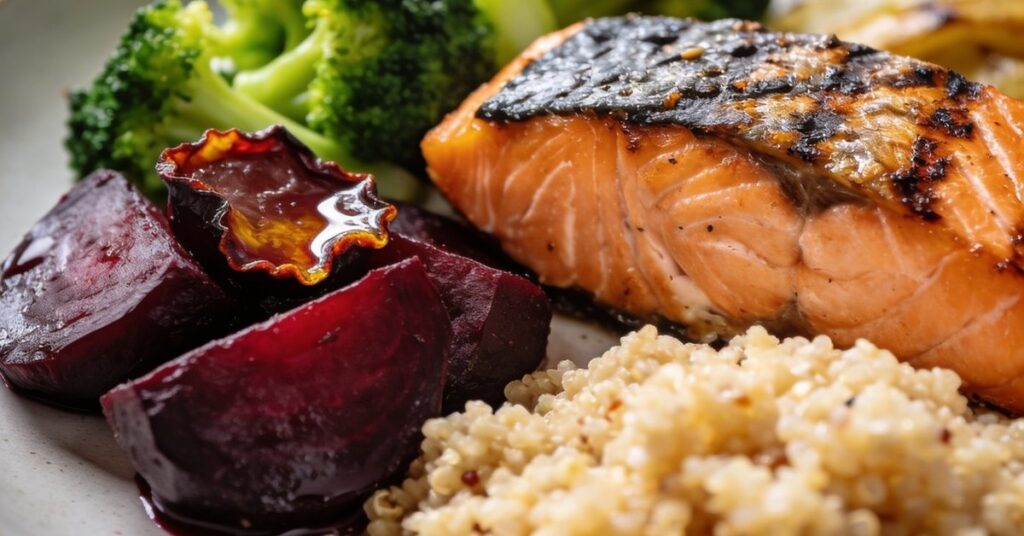
- Healthy Fats: These are vital for supporting bile production and overall liver function. Incorporate sources such as avocados, walnuts, extra virgin olive oil, flaxseeds, and oily fish like salmon.
- Protein Quality: High-quality proteins provide the essential amino acids required for the liver’s natural detoxification and repair processes.
The Importance of Hydration and Whole Foods
The liver is responsible for filtering the blood and breaking down harmful substances, including alcohol and medications, into smaller molecules for the body to process. To aid this, maintain proper hydration throughout the day by drinking plain water, which helps in the efficient removal of waste products.
Focus your diet on these core food groups:
- Fresh Plant Matter: Consume an abundance of dark, leafy greens, broccoli, berries, and colourful vegetables to ensure a high daily intake of fibre and antioxidants.
- Wholesome Proteins: Opt for lean choices such as chicken breast, cod, salmon, lentils, and beans.
- Wholegrains: Select quinoa, steel-cut oats, and brown rice over refined white flour or processed breads.
What to Avoid for Better Liver Function
To give your liver the best opportunity to recover and function optimally, you should eliminate or strictly limit the following:
- Added Sugars: Avoid sodas, sweets, and sugary beverages, which contribute to fat accumulation in the liver.
- Harmful Fats: Bypass fried items, fast food, and products containing trans fats.
- Alcohol: Cease alcohol consumption entirely for the duration of the week to allow the liver to rest. Ideally, limit intake to no more than four drinks per week for women and seven for men, ensuring at least two alcohol-free days per week.
- Processed Snacks: Steer clear of packaged meals, white flour pastries, and crisps, which are often high in sodium.
Example Meal Plan Inspiration
If you are looking for practical meal ideas to support your liver, consider the following balanced options:
- Breakfast Options: Scrambled eggs served with spinach and mushrooms on wholegrain toast; or steel-cut oats prepared with water, finished with fresh berries and crushed walnuts.
- Lunch Ideas: A large, vibrant green salad featuring chickpeas, tomatoes, and cucumbers, drizzled with a simple dressing of lemon juice and extra virgin olive oil.
- Dinner Suggestions: Baked white fish or firm tofu accompanied by a generous portion of steamed asparagus or broccoli.
- Snack Ideas: A small portion of low-fat cottage cheese or fresh seasonal fruit like orange slices.
The Truth About A 7 Day Liver Cleanse Diet And Liver Health
A 7 Day Liver Cleanse Diet is not a medically recognised method for detoxification, as the liver naturally performs this function on its own without the need for commercial kits or juice fasts. Most of these programmes rely on extreme caloric restriction and the elimination of entire food groups, which can be particularly destabilising for patients with sensitive gastrointestinal systems or those who have undergone intestinal transplantation. Medical specialists consistently state that commercial kits or juice fasts do not reverse chronic liver damage, and it is essential to recognise that these products are not regulated by the FDA, meaning their safety and efficacy remain unproven. When we look at the hype surrounding a 7 Day Liver Cleanse Diet, it becomes clear that the biological complexity of the liver is far too sophisticated to be reset by a week of restrictive liquids or unverified herbal concoctions. My experience working with patients recovering from complex abdominal surgeries suggests that the liver is a robust organ, but it is also one that demands consistent, high-quality fuel rather than erratic cycles of starvation and supplement-heavy loading. The liver is responsible for over 500 vital functions, including filtering blood, metabolising toxins, and producing bile; it does not simply store toxins that need to be washed away by lemon juice or cucumber water. Instead of seeking a natural liver cleanse, focus on lifestyle changes that reduce inflammation and prevent the buildup of excess fat in the liver cells.
Clinical Safety And The Risk Of Detoxification For Fatty Liver Disease
The primary risk of a 7 Day Liver Cleanse Diet for anyone with a compromised digestive system is the potential for acute physical distress and metabolic imbalance. Post-transplant recovery is a journey, and managing your nutrition is a huge step toward getting back to normal life; however, taking shortcuts with unverified detox products can be a massive setback. Rapid weight loss during these short-term routines is primarily water and muscle loss rather than a sustained reduction in liver fat, and the restrictive nature of these diets can lead to dangerous side effects such as fatigue and electrolyte imbalances. Ever wondered if a quick fix is really worth the risk to your delicate graft function? When you force your body into a state of drastic caloric deficit, you aren’t just challenging your liver; you are putting your entire intestinal absorption capacity under unnecessary strain. The progression of fatty liver often begins subtly, and it is crucial to understand that fatty liver disease is a serious condition that requires long-term management rather than a temporary fix. Whether you are dealing with nonalcoholic fatty liver disease or alcoholic fatty liver disease, the goal is the same: to reduce liver inflammation and prevent the progression of fatty liver into more severe conditions like liver cancer or cirrhosis. If you suspect you are in the early stages, consult a dietitian to discuss dietary changes that can help reverse fatty liver disease before permanent scarring occurs.
| Risk Factor | Potential Consequence |
|---|---|
| Unregulated Herbal Pills | Drug-induced liver injury |
| Juice Fasting | Electrolyte imbalance |
| Caloric Restriction | Muscle mass loss |
Balanced Nutritional Guidelines To Improve Liver Health
Long-term liver health is achieved through a consistent, balanced diet that supports the body’s natural metabolic pathways rather than through temporary, harsh interventions. A sensible approach focuses on providing the liver with the specific nutrients it needs to regenerate and function effectively, such as high-quality protein and fiber, while avoiding the heavy load of processed foods, refined sugar, and synthetic additives that often stress the digestive tract. It is worth remembering that your liver is the primary metabolic engine of your body. When you feed it correctly, it thrives; when you starve it or flood it with synthetic agents, you impede its ability to perform its essential tasks, including the synthesis of proteins and the regulation of metabolic waste. To naturally support liver regeneration, incorporate antioxidant-rich foods like berries, which help reduce inflammation and combat oxidative stress. Managing insulin resistance is also key, as high blood sugar levels contribute directly to the accumulation of fatty acids within the hepatic tissue.
Recommended Dietary Components For Your Meal Plan
Optimal liver support involves a daily allowance of 4 portions of protein, 3 portions of dairy, 2 portions of fruit, 2 portions of carbohydrates, and unlimited vegetables, alongside a minimum fluid intake of 1-2 litres per day. You should prioritise nutrient-dense whole foods like oats, berries, salmon, beans, nuts, seeds, and plant-based oils to maintain energy levels. Specific vegetables known for their supportive properties include kale, carrots, beets, red cabbage, yellow peppers, tomatoes, broccoli, arugula, and Brussels sprouts, which should be incorporated into your daily meals to ensure a broad spectrum of vitamins and minerals. Lean proteins like chicken breast are excellent for maintaining muscle mass, while healthy fats, particularly those rich in omega-3 fatty acids found in fatty fish like salmon, are essential for heart and liver health. Using unsweetened almond milk and brown rice as staples can also help you manage your blood sugar levels, preventing the insulin spikes that drive the accumulation of fat in the liver.
Foods To Exclude From Your Fatty Liver Meal Plan
To reduce internal inflammation and prevent further liver fat accumulation, you must strictly eliminate alcohol, added sugars found in sodas and cookies, and processed meats such as sausages, bacon, and deli meats. Refined carbohydrates like white bread and white rice, as well as fried, fast, or takeaway foods, should be removed from your diet entirely. Additionally, avoid high-sodium packaged meals, frozen ready meals, pizzas, and saturated or trans fats from sources like butter, cream, palm oil, and coconut oil, as these place an unnecessary burden on your digestive and hepatic systems. Processed foods and excessive sugar consumption are primary drivers of fatty liver disease progression, as the liver converts excess fructose into fatty acids, which then builds up in the liver tissue. By removing these, you reduce liver fat and inflammation, allowing your body to start the process of restoring liver integrity naturally. Adopting a Mediterranean diet, which emphasizes whole plants and lean proteins, is a scientifically backed way to keep your liver healthy and reduce the risk of type 2 diabetes.
A Practical 7-Day Meal Plan For Fatty Liver Beginners
A structured, nutrient-focused meal plan provides the best way to support your digestive health without the risks associated with extreme fasting. By following a consistent daily pattern, you can ensure that your body receives adequate nutrition while keeping your liver and gut microbiome stable, which is particularly important for those managing long-term intestinal conditions. Remember: Always consult your transplant team before making major diet changes, as your current immunosuppression levels and individual health markers must be considered. Consistent physical activity combined with a liver-friendly diet creates a powerful synergy for weight management and liver enzyme regulation. When you establish a rhythm, your digestive system learns to adapt, which is exactly the kind of stability you want when you have a history of intestinal failure.
- Start with 1/2 cup of plain or low-fat Greek yogurt topped with a small sprinkle of chia seeds or walnuts to provide essential healthy fats.
- Enjoy a morning snack of one fresh apple or celery sticks with a small spoon of natural almond butter for stable blood sugar.
- Have 1/2 cup of a four-bean mix for lunch, followed by a small handful of raw, unsalted almonds in the afternoon for sustained energy.
- Finish with a palm-sized portion of grilled salmon or baked white fish and steamed greens like broccoli or kale for dinner.
Scientific Evidence To Keep Your Liver Healthy
There is currently no rigorous, large-scale human clinical trial data to suggest that 7-day detox programs boost the body’s natural toxin removal processes. While some studies, such as the 2000 investigation by A. MacIntosh, have explored whether 7-day detoxification programmes improve liver pathways, the consensus remains that there is no scientific evidence that these diets improve overall liver function. However, the Mayo Clinic notes that losing approximately 5% of body weight can effectively reduce liver fat, and achieving a 7–10% reduction provides even greater health benefits, which is why liver-reducing diets are sometimes used by specialists prior to weight loss surgery. If you require a medically supervised liver-reducing diet, you should contact the County Durham And Darlington NHS Foundation Trust at 01388 455200, option 3, rather than attempting an unverified commercial programme. The science is clear: sustainable, gradual weight loss is the only path that yields genuine health benefits for the liver. Any programme that promises rapid weight loss in a week is likely selling you a loss of water and muscle, not the visceral fat that actually matters. As patients and advocates, we need to be discerning. We should hold our nutritional choices to the same rigorous standards we hold our medical treatments. If a programme lacks peer-reviewed backing, it has no place in a recovery plan designed for long-term health and success. Whether it is managing fatty liver or preventing chronic liver disease, the answer is always found in consistent, long-term dietary and lifestyle changes.
Frequently Asked Questions
Can a dietitian help me design a safe 7-day plan?
Yes, a registered dietitian is the best professional to help you tailor a plan that meets your unique nutritional requirements while ensuring your liver and gut remain supported. They can adjust your daily calorie target and macronutrient balance to ensure you lose fat sustainably without compromising your recovery.
Are there specific signs of liver strain I should monitor?
Yes, you should monitor for symptoms such as persistent fatigue, jaundice, or unusual abdominal discomfort, especially when trialling new dietary changes. Any unexplained change in your health status should be reported to your medical team immediately to ensure your graft function remains optimal.
How does hydration impact the effectiveness of a diet plan?
Proper hydration is essential for metabolic function, as water is required for the liver to process toxins and maintain healthy blood volume. Aiming for 1.5 to 2 litres of water daily is a standard recommendation that supports both your digestive tract and your overall metabolic health.
Is it safe to exercise while on a healthy diet plan?
Yes, light to moderate exercise is generally encouraged, but you should always clear your activity level with your transplant coordinator first. Physical activity complements a healthy diet by improving insulin sensitivity and helping the body utilise nutrients more efficiently, which is vital for long-term health.
Prioritise consistent, whole-food nutrition under clinical guidance rather than relying on unverified short-term detox protocols. Your long-term metabolic health and graft stability are best protected by steady, evidence-based habits that respect your unique medical journey.