Managing gallbladder health is a critical, often overlooked component of long-term recovery for those navigating intestinal failure or post-transplant digestive care. In this guide, I draw upon clinical nutritional standards to help you identify safe, gut-friendly food choices that reduce the risk of painful triggers. You will learn how to structure your daily meals and implement evidence-based dietary habits to maintain digestive stability and support your overall recovery journey.
Foods to eat with gallstones
Dietary approach for gallbladder health
While there is no singular universal diet capable of curing gallstones, adhering to a balanced, low-fat nutritional strategy can be highly effective in managing discomfort and reducing the frequency of painful episodes. Focusing on an intake rich in fibre, fresh produce, and lean protein sources provides significant support for digestive well-being.
Recommended food groups
- Fruits and vegetables: You should aim to consume a minimum of five portions every day to ensure you receive vital vitamins, minerals, and dietary fibre.
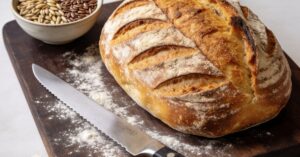
- High-fibre staples: Prioritise wholemeal bread, brown rice, oats, lentils, and pulses to promote healthy gut function.
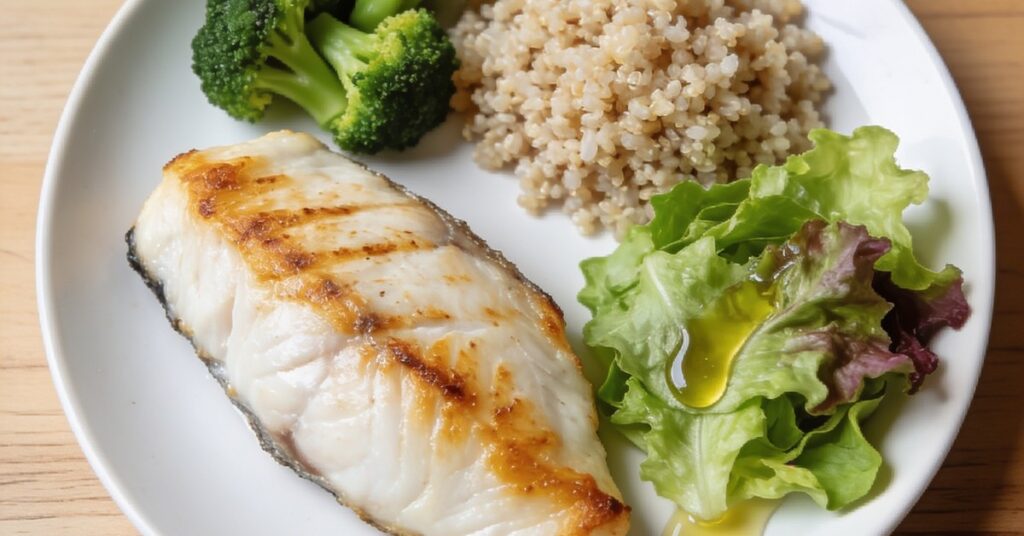
- Lean protein sources: Include skinless poultry, such as chicken or turkey, white fish, and plant-based alternatives like tofu in your diet.
- Low-fat dairy: Choose skimmed milk, reduced-fat yoghurts, or light cottage cheese as healthier alternatives to full-fat versions.
- Unsaturated fats: Utilise small quantities of beneficial oils, such as rapeseed, sunflower, or olive oil, for cooking and dressing meals.
Foods and ingredients to limit
Certain items can exacerbate symptoms and should ideally be restricted or removed from your daily intake:
- Fried and high-fat products: Avoid fast food, crisps, and deep-fried dishes.
- Saturated fats: Reduce the consumption of butter, lard, bacon, sausages, and fatty portions of red meat.
- Full-fat dairy items: Minimise your intake of cream, whole milk, indulgent cheeses, and dairy-based ice cream.
- Refined carbohydrates and sugars: Limit sugary beverages, white bread, pastries, biscuits, and pies.
Key lifestyle habits for gallbladder management
Maintaining a healthy gallbladder requires more than just careful food selection; your eating patterns and overall lifestyle choices play a crucial role:
- Consistency in meals: Do not skip meals or engage in prolonged fasting. Regular eating helps prevent the gallbladder from contracting irregularly, which can otherwise contribute to the formation of new stones.
- Gradual weight management: If you are looking to lose weight, aim for a steady reduction of 0.5 to 1 kg per week. Rapid weight loss, often caused by restrictive crash diets, can paradoxically trigger the formation of further gallstones.
- Hydration: Ensure you drink plenty of fluids throughout the day, prioritising water over other options to keep the body well-hydrated.
Always fill your plates with lower-fat options, such as green salads and hearty wholegrain carbohydrates, to ensure your meals remain satiating and nutritionally balanced. Please note that this information is for educational purposes and does not constitute formal medical diagnosis or advice.
Core Principles of a Gallstones Diet to Manage Gallbladder Issues
The most effective strategy regarding the best Foods To Eat With Gallstones is to adopt a low-fat, high-fibre eating pattern that prioritises nutrient-dense, whole foods to minimise gallbladder stimulation. While no single food can dissolve existing stones, choosing ingredients that facilitate smooth digestion and prevent sudden gallbladder contractions is essential for avoiding the intense upper abdominal pain associated with Gallbladder Problems. Ever wondered if your current meal plan is secretly working against your recovery? By focusing on consistent intake and avoiding heavy, greasy loads, you protect your Digestive system from unnecessary strain, which is vital when your gut is already navigating the complexities of post-transplant life or chronic conditions.
Recommended Foods to Eat for a Healthy Gallbladder
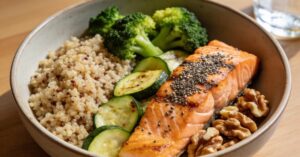
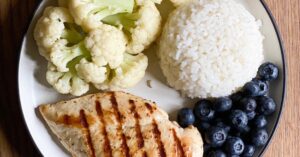
A gallbladder-friendly diet is built upon a foundation of lean proteins, complex carbohydrates, and high-fibre plant foods that are naturally low in Fat. By selecting Foods and Drinks that provide sustained energy without requiring excessive bile production, you can significantly lower the burden on your gallbladder. Post-transplant recovery is a journey, and managing your nutrition is a huge step toward getting back to normal life; in my experience, keeping a consistent diary really helps identify those sneaky triggers. When you are looking for the most appropriate Foods To Eat With Gallstones, think of variety as your best tool for long-term adherence.
| Food Category | Best Choices |
|---|---|
| Lean Proteins | Skinless chicken, turkey, white fish, tofu, tempeh |
| Complex Carbs | Oats, brown rice, quinoa, barley, whole-wheat bread |
| Plant Staples | Cruciferous vegetables, berries, leafy greens, legumes |
Focus on incorporating at least five portions of fruit and vegetables daily to ensure adequate intake of essential vitamins and minerals, specifically choosing items like cruciferous vegetables, berries, citrus fruits, leafy greens, broccoli, and carrots. These plant-based options provide the micronutrients necessary for repair and metabolic health without the saturated fats that often trigger symptoms. Complement these with complex, high-fibre carbohydrates including oats, brown rice, quinoa, barley, and whole-wheat bread to ensure steady energy release. For dairy, choose low-fat or fat-free options, or utilise calcium-fortified alternatives such as soy, almond, oat, or coconut products. Finally, use unsaturated oils like olive or canola oil only in small amounts, and include nuts and seeds such as almonds, walnuts, and flaxseeds in strict moderation to provide heart-healthy fats without overtaxing your system.
Foods to Avoid to Help Prevent Gallstones
To prevent painful gallbladder attacks, you must strictly avoid high-fat, processed, and deep-fried foods that force the gallbladder to contract forcefully, potentially causing the stones to block the bile duct. These items can disrupt your digestive equilibrium, which is the last thing anyone needs when trying to maintain stable graft function. Key culprits include butter, lard, ghee, and various vegetable oils like palm or coconut oil, which are high in saturated fats. Furthermore, avoid all deep-fried items, such as French fries, fried chicken, and battered fish, as well as fatty cuts of meat like marbled beef, pork belly, and lamb chops. Processed meats, including bacon, sausages, salami, and hot dogs, should be completely removed from your diet due to their high fat and sodium content.
- Fried foods: Chips, fried chicken, battered fish.
- Fatty meats: Marbled beef, pork belly, sausage, bacon, salami.
- High-fat dairy: Full-fat milk, cream, cheddar, stilton.
- Baked goods: Doughnuts, pastries, cookies, croissants.
Practical Meal Planning if You Follow a Special Diet
The optimal meal plan involves eating four to six small, frequent meals rather than three large ones to maintain a steady flow of bile throughout the day. When you are balancing immunosuppression and digestive sensitivity, keeping the workload on your gut predictable is key. Consuming meals every three to four hours prevents the gallbladder from becoming over-distended or stagnant, which is a major factor in symptom management. When shopping, always check food labels for products containing less than 3g of Fat per 100g to ensure your choices align with your low-fat requirements.
- Check food labels for products containing less than 3g of Fat per 100g.
- Stick to a portion of 150g for cooked rice.
- Limit your potato portion to 150–200g per meal.
- Aim for a gradual weight loss of 0.5 to 1 kg per week to avoid metabolic stress.
Important: Always consult your transplant team before making major diet changes, as your specific nutritional needs may vary significantly depending on your post-operative recovery stage. Aim for a gradual weight loss of 0.5 to 1 kg (1–2 lbs) per week; this slow pace is safer for your metabolism and prevents the rapid shifts that can complicate your condition. Base your meals around starchy carbohydrates such as brown rice, oats, and whole-wheat bread, ensuring portion sizes are controlled to support digestion. By integrating these specific lean proteins, vegetables, and whole grains into your daily routine, you create a sustainable, manageable, and highly nutritious diet that supports long-term recovery and digestive peace.
Role of Fibre and Diet After Gallbladder Surgery
Dietary Fibre is a cornerstone of gallbladder management because it reduces the production of deoxycholate and helps decrease bile cholesterol levels, which in turn can prevent the growth of existing stones. By speeding up intestinal transit time, Fibre ensures that waste products are processed efficiently, reducing the risk of inflammation and secondary digestive complications. Incorporating high-fibre staples such as oats, brown rice, barley, and whole-wheat bread, alongside apples, berries, spinach, beans, lentils, peas, and chickpeas, provides the necessary roughage to maintain a healthy gut microbiome and support regular bowel function. While this is a great ally, remember it is not a magic wand for dissolving existing stones.
A low-fat, high-fibre diet is a preventative and supportive tool designed to manage gallbladder disease as part of a broader nutritional plan. For those interested in more detailed guidance, resources such as the Gallbladder Diet Guide from the Cleveland Clinic offer excellent frameworks for long-term nutritional management. Always view this as a long-term ally in your Digestive health, rather than a quick-fix solution for acute pain. Understanding the nuances of these foods helps you navigate life with confidence, ensuring you know exactly which Foods To Eat With Gallstones to keep your system running as smoothly as possible.
Frequently Asked Questions
Can eating small, frequent meals reduce the Risk of Developing further complications?
Yes, eating 4 to 6 small meals per day helps maintain a steady flow of bile, preventing the stagnation that often triggers discomfort. This consistent approach ensures the gallbladder does not become over-distended between meals.
Is it necessary to completely eliminate Fat from your daily intake?
No, you should not eliminate all fats, as the body requires small amounts of healthy unsaturated fats for proper metabolic function. Focus on incorporating modest amounts of olive oil or fish oil while avoiding saturated and trans fats.
How does hydration influence digestive health and gallbladder function?
Adequate water intake is essential for maintaining the fluidity of bile and supporting overall intestinal transit. Proper hydration works in tandem with a high-fibre diet to ensure your digestive system operates efficiently without unnecessary strain.
Should patients who have already had their Gallbladder Removed continue a restrictive diet?
Many patients find that continuing to limit high-fat and greasy foods helps prevent digestive upset after surgery. While you may be able to gradually reintroduce variety, monitoring your response to specific foods remains a wise practice for long-term comfort.
Reference No: D038 – 03 (Department of Nutrition and Dietetics). Issue date: January 2024; Review date: January 2026. Prioritising small, frequent meals rich in Fibre and lean proteins is your best strategy for maintaining digestive peace and preventing painful symptom flare-ups. Remember that consistency in your daily habits is the kindest thing you can do for your recovery.