Managing nutrition during illness is a critical component of maintaining graft health and digestive stability for those navigating life after an intestinal transplant. In this article, I provide evidence-based guidance on selecting gentle, nutrient-dense foods that support your recovery while minimising stress on your gastrointestinal tract. You will learn which specific ingredients to prioritise for immune support and which items to avoid to ensure your gut remains protected and your recovery stays on track. When you’re feeling under the weather, choosing the right foods can support your recovery and help you feel better significantly faster.
When you are feeling unwell, the most effective approach regarding the best food to eat when sick is to focus on simple, easily digestible items that provide immediate hydration and essential electrolytes. Prioritise clear broths, plain rice, toast, and boiled chicken, as these provide the basic energy your body needs without triggering digestive distress or osmotic overload. Always listen to your body’s signals, and if you are struggling with intake, focus exclusively on fluid replacement with electrolyte drinks like Pedialyte or sugar-free Gatorade to prevent dehydration. Eating the right nutrients is essential because your digestive system is already working hard to combat the infection.
Food to eat when sick
When you are feeling under the weather, it is crucial to focus on hydrating meals that are gentle on your digestive system. Prioritising simple, nutrient-dense foods will provide your body with the energy it requires for recovery while keeping you feeling comfortable.
Top Recommended Foods for Recovery
If your appetite is low, consider incorporating these beneficial items into your diet:
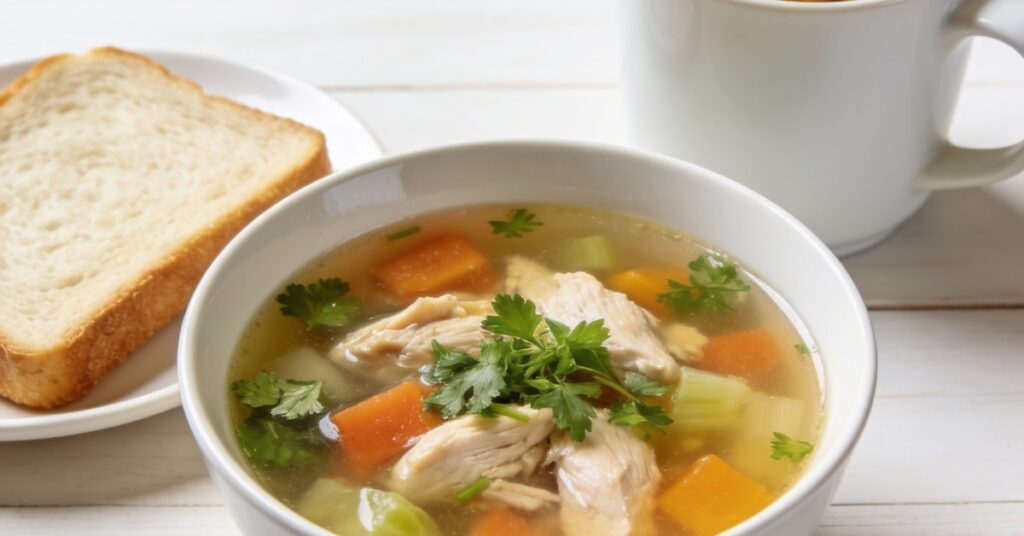
- Chicken soup and vegetable broths: These are excellent for replacing lost fluids and electrolytes. Furthermore, the warm steam can assist in clearing a congested nose.
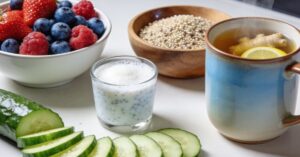
- Hot or herbal tea: Consuming warm tea with a little honey and lemon can effectively soothe a sore throat and reduce congestion.
- Ginger: Known for its ability to calm nausea and settle an unsettled stomach, particularly when prepared as a tea.
- Honey: Useful for coating and soothing a persistent cough (please note: avoid giving honey to infants under one year old).
- Coconut water: A great choice for restoring electrolyte balances if you have been sweating, vomiting, or suffering from a high temperature.
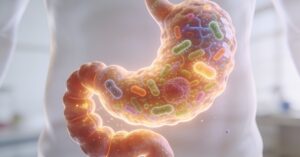
- Yoghurt: Acts as a cooling relief for a painful throat and provides probiotics to support your gut health.
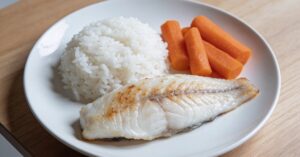
- Bananas, rice, and toast: These bland, simple options are part of the traditional BRAT diet, making them very gentle on the stomach.
- Mashed potatoes: A soft, comforting, and simple dish that is easy to consume even when you have very little appetite. They are also high in potassium.
- Oatmeal or plain porridge: Warm and mild, these are very easy for your digestive system to process.
- Garlic: Often recommended for its natural health-supporting properties.
Managing Nausea and Upset Stomachs
Whenever you experience nausea, diarrhoea, or general digestive discomfort, the act of eating might feel like an overwhelming task. However, selecting the right ingredients can significantly calm your stomach. Stick to bland, low-fat options and focus on small, frequent portions to avoid putting unnecessary strain on your digestive tract.
Foods to Avoid During Illness
While you focus on recovery, try to steer clear of the following items, as they may delay your progress:
- Greasy and fatty foods: These are notoriously difficult to digest and can aggravate an already sensitive stomach.
- Spicy or acidic items: These can irritate a sore throat or cause further discomfort to an unsettled stomach.
- Caffeine and alcohol: Both substances contribute to dehydration and may hinder your body’s natural healing process.
- Processed foods: Often high in salt and fats while lacking fibre, these provide little nutritional value when you need it most.
Key Considerations for Recovery
Your body frequently requires extra calories, protein, and essential vitamins to fight off illness. While certain ingredients can alleviate specific symptoms, it is vital to stay hydrated above all else. Water remains the best option, but broth and herbal teas serve as excellent alternatives to keep your fluid levels stable during your recovery phase.
Foundational Soups and Broth for Quick Recovery
The best food to eat when sick targets both inflammation reduction and immune system reinforcement without overwhelming your digestive capacity. Chicken soup is a go-to classic for a reason; chicken soup has been a go-to for generations because it provides a perfect balance of hydration, protein, and warmth. Chicken soup is packed with electrolytes and fluids that help you recover faster. Furthermore, plain oatmeal is bland and easy to digest, which is why oatmeal is bland and easy on the stomach. To further bolster your recovery, incorporate garlic for its allicin content and ginger, which acts as a powerful natural anti-inflammatory agent to settle the stomach. These foods can help you feel better by providing comfort without heavy fats.
Immune-Boosting Ingredients and Herbal Teas
You can significantly enhance your immune response by integrating specific plant-based compounds into your convalescent diet. Fresh ginger and garlic should be staples in your broth, as they provide anti-inflammatory properties that are particularly valuable when your body is fighting off an infection. Additionally, focus on sources of quercetin such as kale, broccoli, cranberries, green tea, red onions, and blueberries, alongside vitamin C from oranges, lemons, and limes. Drinking ginger tea is also a great way to hydrate when you’re feeling nauseous, as it provides natural anti-nausea effects that help soothe the digestive tract. These herbal teas are one of the best foods to eat when sick because they provide warmth and hydration without caffeine.
Gentle Bland Foods and Protein Sources
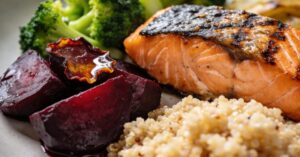
When your digestive system is compromised, lean protein and simple carbohydrates serve as the safest fuel sources for recovery. Boiled or baked chicken provides essential nutrients and vitamin B6, while plain oatmeal with berries offers a combination of carbohydrates and vitamin C that is gentle enough for a sensitive gut. Furthermore, Greek yogurt bowls can be introduced to provide a concentrated source of probiotics, and mashed sweet potato serves as an excellent vehicle for beta-carotene and vitamin A. These foods are bland and easy to eat, which plays a critical role in calming an upset stomach. Consuming fatty fish like salmon is also a good source of omega-3 fatty acids, which help reduce inflammation in the body.
Essential Hydration Strategies for Digestive Stability
Consistent fluid intake is the most important factor in preventing complications during illness, with a goal of consuming 8 to 10 cups of 250ml fluids per day. Proper hydration is not just about water; it is about maintaining electrolyte balance through clear chicken or vegetable broths and specialised drinks. For those managing intestinal health, monitoring the volume and consistency of output is vital, so ensure your fluid choices support rather than irritate your digestive transit. When you’re sick, your body loses moisture through fever or diarrhea, making it essential to stay hydrated throughout the recovery period.
Recommended Fluids and Electrolyte Balance
The most effective fluids for recovery include plain water, clear broths, and electrolyte-replenishing solutions like Pedialyte or sugar-free Gatorade. These sports drinks help replenish lost salts. If you find your appetite is failing, coconut water is a superior choice, as it provides natural electrolytes that help maintain the internal environment without the high sugar content found in many commercial options. If you are feeling nauseous, sipping on ginger tea can help settle your belly. Avoid caffeine and alcohol, as these will only dehydrate you further and irritate your stomach.
| Fluid Type | Benefit | Suitability |
|---|---|---|
| Clear Broth | Hydration & Minerals | High |
| Ginger Tea | Anti-nausea | High |
| Sugar-free Gatorade | Electrolytes | Moderate |
Managing Sore Throat and Cold Symptoms
Targeted dietary choices can significantly alleviate the discomfort of a sore throat or cold symptoms. For a sore throat, prioritise soft, cold, or lukewarm textures such as popsicles, ice chips, or smooth, blended foods that require minimal swallowing effort. To manage congestion and a runny nose, incorporate warming elements like hot tea with honey and lemon, or small amounts of chili peppers containing capsaicin, which can help thin mucus and provide temporary relief from blocked nasal passages. If you have a common cold, these foods for a cold can help boost your immune system while providing relief.
Soothing Textures and Fruits and Vegetables
The best foods for a sore throat are those that coat the throat and provide nutrition without mechanical irritation. Incorporate yogurt, scrambled eggs, omelets, oatmeal, cream of wheat, and mashed potatoes into your daily routine to ensure you are meeting your caloric needs. For a nutrient-dense boost, prepare smoothies containing berries, kale, or celery, which provide a high concentration of vitamins in a form that is incredibly easy to consume when swallowing is painful. Eating a variety of fruits and vegetables provides natural substances found in plants that help your body recover.
Foods to Avoid and Spicy Foods
To speed up your recovery and prevent unnecessary gut irritation, you must strictly avoid foods that are difficult to break down or that cause osmotic shifts in the intestine. Alcohol and caffeine should be completely excluded, as they promote dehydration and can severely irritate a sensitive digestive lining. Furthermore, stay away from dairy (specifically milk), sugary snacks, soda, and any greasy or fried foods like pizza, fast food, and chips, as these can drastically worsen stomach discomfort and slow down the healing process. These represent the worst foods for someone already dealing with flu symptoms.
Impact of Highly Processed Items and Fatty Fish
Highly processed foods, including most canned soups and frozen dinners, should be avoided during illness due to their high sodium content and potential for hidden inflammatory additives. These products often lack the bioavailability of nutrients found in fresh, home-prepared meals and can place an unnecessary burden on your digestive system. Stick to simple, whole-food preparations to ensure your body is receiving quality nutrition that supports, rather than hinders, your immune function and transplant health. Remember that eating the right foods can help you get rid of a cold faster than relying on processed items.
Remember: Always consult your transplant team before making major diet changes, as your specific immunosuppression regimen may require adjustments based on your current health status and absorption capabilities.
Frequently Asked Questions
Is salmon or other fatty fish safe during recovery?
Yes, salmon is an excellent choice as it provides high-quality protein and omega-3 fatty acids which help reduce systemic inflammation. Ensure the fish is steamed or poached rather than fried to keep it gentle on your digestive tract.
Why is a banana recommended for digestive health?
A banana is ideal because it is rich in potassium and provides pectin, a soluble fiber that helps regulate bowel movements. Because it is soft and bland, it is easily tolerated even when your stomach is feeling particularly sensitive.
Can I eat raw fruits and vegetables when recovering from a cold?
It is generally safer to cook your fruits and vegetables thoroughly, such as by steaming or boiling, to reduce the risk of irritation. Raw produce can sometimes be difficult for a stressed gut to break down, potentially causing unnecessary cramping or bloating.
How do I know if I am consuming enough bland foods?
You are consuming enough if you can maintain your energy levels and stay hydrated without experiencing increased digestive discomfort or urgency. Focus on smaller, frequent meals rather than large portions to ensure steady nutrient absorption without overloading your system. If you are struggling, you might want to try the brat diet for a day or two to see if your symptoms stabilise.
- Monitor your daily fluid intake and output carefully.
- Keep a detailed food diary to note any individual sensitivities.
- Consult your specialist dietitian if symptoms persist beyond 48 hours.
- Prioritise bland foods to ensure your gut has time to heal.
Prioritising gentle hydration and simple, nutrient-dense foods is the most effective way to protect your graft and support your body during illness. Always keep a close watch on your fluid balance and reach out to your clinical team promptly if your digestive symptoms do not show signs of improvement.