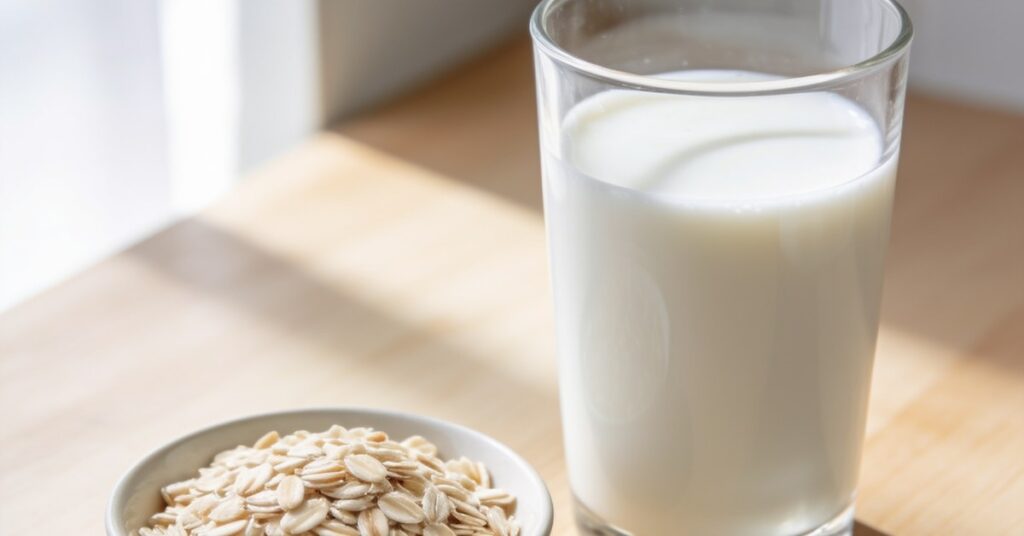
For those navigating the complexities of intestinal recovery or post-transplant life, understanding how common dietary staples like milk influence acid reflux is essential for maintaining digestive comfort and gut health. In this article, I provide an evidence-based breakdown of how different milk types affect your stomach, helping you discern which options are safe to include in your daily routine and which are best avoided. You will learn practical strategies to manage your intake, prevent post-meal discomfort, and make informed choices that support your long-term digestive well-being.
To answer the core question directly: Is Milk Good For Acid Reflux? The reality is that milk is not a universal remedy and, depending on the type and fat content, it can often worsen your symptoms rather than relieve them. While some believe that drinking milk will help reduce stomach acid, the high-fat content in certain varieties can actually cause more issues than it solves. For anyone managing Gastroesophageal Reflux Disease (GERD) or who may regularly experience acid reflux, the decision to include milk in your diet should be based on its specific composition and your individual tolerance for lactose and fats, as the wrong choice can easily trigger acid reflux symptoms.
Is milk good for acid reflux
Understanding the relationship between milk and acid reflux
While many individuals believe that drinking milk provides instant relief from heartburn, the reality is more nuanced. Milk may offer a fleeting sense of comfort, but it frequently exacerbates acid reflux symptoms as time passes. The effectiveness of milk often depends on its fat content and how your body reacts to the components found within dairy.
The impact of fat content
Full-fat or whole milk is generally considered unsuitable for those suffering from acid reflux. The high fat content delays the gastric emptying process and relaxes the lower oesophageal sphincter—the muscle responsible for preventing stomach acid from rising into the oesophagus. This relaxation allows acid to escape upward, leading to uncomfortable burning sensations.
The rebound effect
Even though milk may initially coat the throat and neutralise stomach acid, it can cause a significant rebound effect. The proteins and calcium present in dairy products signal the stomach to increase acid production shortly after consumption. This process can ultimately lead to more intense symptoms than you experienced before drinking the milk.
Key considerations for your diet
- Skimmed or low-fat options: These varieties contain less fat, which helps in preventing the slowing of digestion.
- Plant-based alternatives: Milk derived from almonds or oats is often lower in fat and less likely to trigger a severe acid response.
- Water: This remains the safest beverage choice, as it ensures hydration without causing stomach irritation.
When to seek professional advice
Acid reflux and heartburn symptoms often intensify after meals or when reclining at night. If you suffer from frequent or severe pain that does not improve with standard treatments, it is essential to consult a medical professional. They can provide personalised guidance tailored to your specific health needs and ensure that any underlying issues are properly diagnosed.
Please note that this information is intended for educational purposes and does not substitute professional medical advice. Always speak with your doctor or healthcare provider regarding any concerns you may have about dietary choices and your digestive health.
Why Whole Milk Can Exacerbate GERD and Acid Reflux
Whole milk is generally poor for acid reflux management because its high saturated fat content directly contributes to the relaxation of the lower oesophageal sphincter. When this valve fails to close properly, it allows stomach acid to flow upward, which creates the painful burning sensation known as heartburn. Furthermore, the high fat content significantly slows the rate at which your stomach empties, causing the food to sit in the stomach longer than it should. This delay means that foods take longer to digest, increasing the pressure and making it easier for stomach acid to irritate the stomach lining. Many patients often ask me, Is Milk Good For Acid Reflux when they are feeling discomfort, and my advice is always to look at the fat percentage first, as the higher the fat, the more likely you are to suffer later from severe heartburn and acid reflux.
The Mechanism of Rebound Acid Production to Reduce Acid
Consuming whole milk can trigger a phenomenon known as rebound acid production, where the stomach compensates for the initial neutralisation by secreting even more acid. Medical reviews, such as those conducted by Dr Yoshinori Abe, highlight that the proteins and calcium present in dairy stimulate the hormone gastrin, leading to a surge in acid production typically within 30 to 60 minutes after consumption. This explains why a person might feel a brief moment of relief after drinking milk, only to experience a more intense bout of heartburn shortly thereafter; this specific physiological response was notably detailed in a 2022 study by I. Fernando, which has since been cited by 18 other research sources. Understanding this mechanism is vital for any patient, as it prevents the trap of using dairy as a quick fix, especially since milk may actually cause the stomach to produce more acid in the long run.
Comparing Skim Milk and Plant-Based Alternatives to Help Prevent Heartburn
Skim milk is often a better choice for those with acid reflux than whole milk because it contains significantly less fat, which helps maintain the tone of the lower oesophageal sphincter. Ever wondered if your morning cereal is secretly sabotaging your recovery? Comparing the characteristics of these different foods can help you keep your gut on an even keel, as avoiding fatty foods is a cornerstone of effective acid reflux management.
| Milk Type | Fat Content | Reflux Risk |
|---|---|---|
| Whole Milk | High | High |
| Skim Milk | Low | Low |
| Almond Milk | Very Low | Very Low |
| Coconut Milk | High | Moderate/High |
Choosing the Right Plant-Based Milk to Help Relieve Heartburn
Plant-based milks are often the superior choice for managing reflux as they can be selected specifically for their low-acid or low-fat profiles. Almond milk is particularly effective because it possesses a natural alkaline pH, while oat milk provides the added benefit of soluble fibre, which supports overall digestive health. Always select unsweetened versions to avoid added sugars, which can act as a trigger for many patients. While some might still wonder Is Milk Good For Acid Reflux in the plant-based category, the answer is a qualified yes, provided you avoid high-fat additives like coconut milk or trigger flavours like chocolate and citrus. Soy milk is another common alternative, though individual tolerance varies, and it is important to check for any additives that might aggravate acid reflux symptoms in your specific case.
Practical Strategies to Manage Acid Reflux and Foods That May Help Prevent Acid Reflux
Managing acid reflux while enjoying dairy requires a disciplined approach to portion control and the selection of low-fat, non-acidic options. When you are looking for foods that may help prevent acid reflux, it is important to remember that certain foods, like spicy food or those with high fat, can contribute to acid reflux episodes. To keep your digestive system stable, follow these simple steps to monitor your intake:
- Keep a food diary to note which dairy products trigger your specific symptoms.
- Replace butter and heavy cream with lower-fat alternatives like cottage cheese.
- Ensure your dairy portions remain under 8 ounces per serving to avoid overloading the stomach.
- Consult your dietitian or transplant coordinator if you notice persistent changes in gut function or if you regularly experience acid reflux.
Daily Habits to Help Relieve Heartburn and Manage Daily Intake
The timing of your consumption is just as important as the type of milk you choose, especially for those recovering from intestinal surgery or managing chronic conditions. Post-transplant recovery is a journey, and managing your nutrition is a huge step toward getting back to normal life; in my experience, consistency is key. We often forget that what we consume late at night has a much higher impact on the integrity of our digestive valve function than what we eat during the peak of the day. Consuming foods and drinks too close to bedtime is one of the most common causes of nocturnal heartburn and acid reflux episodes.
Remember: Always avoid consuming any milk or dairy products within two to three hours of your bedtime to prevent nocturnal reflux. If you suffer from lactose intolerance, it is imperative to address this, as the resulting bloating and gas increase internal stomach pressure, which serves as a major exacerbator for reflux symptoms. Finally, sleeping on your left side can provide a mechanical advantage, helping to reduce the frequency of nighttime heartburn. Avoiding trigger foods, such as those that are high in fat or acidity, is essential for those who want to help reduce symptoms naturally.
Frequently Asked Questions
Can Gaviscon help alongside dietary changes for acid reflux?
Yes, Gaviscon can help provide a physical barrier against stomach acid when used in conjunction with a controlled diet. It is a useful tool for immediate relief, but it should not replace the long-term need for identifying and removing dietary triggers that cause reflux.
Does spicy food have a worse effect than milk on reflux?
Spicy food is a well-documented trigger that irritates the oesophageal lining directly, often causing more immediate discomfort than milk. While milk’s effect is hormonal and fat-related, eating spicy foods should be strictly limited to prevent chronic inflammation and curb acid levels in the stomach.
Is it safe to consume fortified plant milks if I have had an intestinal transplant?
Fortified plant milks are generally safe, but you must check the labels for additives that could interfere with your specific nutritional requirements or medication absorption. Always clear new dietary additions with your transplant team to ensure they align with your graft function and do not contribute to acid reflux.
How can I tell if my reflux is caused by dairy or other foods?
You can identify the source of your reflux by keeping a detailed food diary for at least two weeks, tracking both your meals and your symptom timing. If you notice a consistent pattern where discomfort follows dairy but not other proteins, you have likely identified a specific trigger that you should avoid to prevent acid reflux.
Adopting lower-fat or plant-based milk alternatives is the most effective way to manage your symptoms while supporting your digestive recovery. Please remember to finish your last dairy intake at least three hours before bedtime to give your body the rest it truly deserves.