For patients managing intestinal health or recovering from a transplant, maintaining balanced electrolyte levels is a critical, often overlooked pillar of long-term stability. In this guide, I share evidence-based strategies to identify and manage High Potassium Foods to Avoid, helping you navigate potential dietary risks with confidence. You will learn how to spot hidden additives, implement effective preparation techniques, and select safer alternatives to protect your digestive well-being, as managing your potassium intake is essential for maintaining a stable internal environment when your body’s natural ability to regulate potassium may be compromised.
High potassium foods to avoid
Managing potassium levels for kidney health
If you have been diagnosed with hyperkalaemia or are at risk of developing this condition, it is essential to manage your intake of specific nutrients. When kidneys are not functioning at their full capacity, they may struggle to regulate potassium levels effectively, leading to an accumulation of this mineral in your bloodstream.
Fruits and vegetables to limit
Certain produce items contain significant quantities of potassium and should be consumed in moderation or avoided altogether to maintain stable blood levels:
- Bananas: Widely recognised as one of the most concentrated sources of dietary potassium.
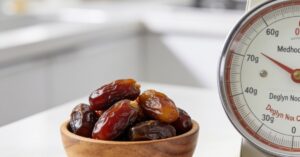
- Dried fruits: Raisins, dates, prunes, and dried apricots provide a highly dense serving of the mineral.
- Citrus fruits and juices: Oranges and fresh orange juice are notable sources.
- Melons and other produce: Honey-dew melon, cantaloupe, kiwi, and avocados (including dishes like guacamole) should be restricted.
- Root vegetables and tubers: Baked white potatoes, sweet potatoes, and fried potato products contain high concentrations.
- Tomato-based items: Concentrated sources such as tomato paste, bottled sauces, and juices.
- Leafy greens: Cooked spinach, chard, and beet greens.
- Squash: Particular varieties like butternut and acorn squash.
Processed foods and other sources
Potassium is commonly found in a wide variety of processed goods and beverages. Vigilance is required regarding the following items:
- Salt substitutes: Many products that claim to be low-sodium alternatives use potassium chloride (e.g., Lo-Salt).
- Beverages: Vegetable juices, chocolate-based drinks, smoothies, and excessive coffee consumption.
- Dairy and cupboard snacks: Nuts, seeds, evaporated milk, and condensed milk.
- Cereals and grains: Brown rice, wholemeal pasta, Bran Flakes, Shredded Wheat, All Bran, Weetabix, and porridge oats.
Dietary alternatives
If you are looking to lower your intake, focus on incorporating foods that are naturally lower in potassium. Options include par-boiled vegetables, white rice, pasta, and plain bread. For personalised nutritional advice and detailed guidance on managing your condition, it is recommended that you consult the UK Kidney Association or Kidney Care UK for tailored support suitable for your specific health requirements.
High Potassium Foods to Avoid for Kidney Disease and Intestinal Stability
The primary High Potassium Foods to Avoid include bananas, avocados, potatoes, sweet potatoes, oranges, orange juice, dried fruits, beans, lentils, chickpeas, nuts, seeds, and any salt substitutes containing potassium chloride. Because potassium is a mineral found naturally in many foods, it is easy to consume too much without realising it, especially when living with chronic kidney disease. These specific items are considered high in potassium because they contain substantial amounts of the mineral per serving, which can overwhelm a system that is unable to filter or regulate electrolytes efficiently. For individuals with sensitive gut function or those recovering from intestinal transplantation, consuming these foods in large quantities can trigger rapid electrolyte imbalances, necessitating strict portion control or complete avoidance depending on your current blood chemistry and kidney function. Understanding this list is the cornerstone of protecting your metabolic stability, as identifying these High Potassium Foods to Avoid allows you to take proactive control of your daily nutritional intake before complications arise.
Understanding the Risks of High Potassium Levels and Chronic Kidney Disease
Hyperkalaemia occurs when the body’s filtration pathways in the kidney are hindered, leading to dangerous accumulations of this mineral in the bloodstream. Post-transplant recovery is a journey, and managing your potassium intake is a huge step toward getting back to normal life, but it requires keeping a sharp eye on the potassium levels of your blood. If your kidneys are not working properly, their ability to remove excess potassium is limited, and that excess mineral remains in the circulation where it interferes with the electrical signals governing the heart muscle and other vital organs. This disruption can trigger serious cardiac and muscular issues that demand immediate clinical attention, as high levels of potassium in the blood can cause dangerous side effects that develop rapidly.
The impact of having too much potassium in the body is systemic and often manifests through physical symptoms. Excess levels can lead to muscle weakness, cramping, or numbness, and in extreme cases, spikes can cause chest pain or trouble breathing. Furthermore, certain medications used to treat kidney disease, which are common in the post-transplant clinical pathway, can also raise potassium levels, meaning that dietary management must be synchronised with your pharmacological regimen. Ignoring these physiological warning signs or failing to account for the potassium content in your diet can lead to unnecessary hospitalisations. It is often recommended that you avoid certain high-potassium foods if your blood work suggests that your kidneys are struggling to maintain a healthy balance, as the National Kidney Foundation emphasises the importance of monitoring your intake.
Identifying Foods to Limit and Managing Your Potassium Intake
To maintain safe blood levels, it is necessary to be vigilant about specific dietary staples that are naturally dense in potassium. Because potassium is found in many foods and drinks, it is crucial to know which foods are particularly high in potassium so you can effectively control the levels of potassium in your body. The following table provides a quick reference to help you distinguish between items that require caution and those that are generally safer to include in your meal rotation.
| Category | Foods High in Potassium (Limit/Avoid) | Low Potassium Foods (Safer Choices) |
|---|---|---|
| Fruits | Bananas, Oranges, Dried Fruits | Apples, Pears, Blueberries |
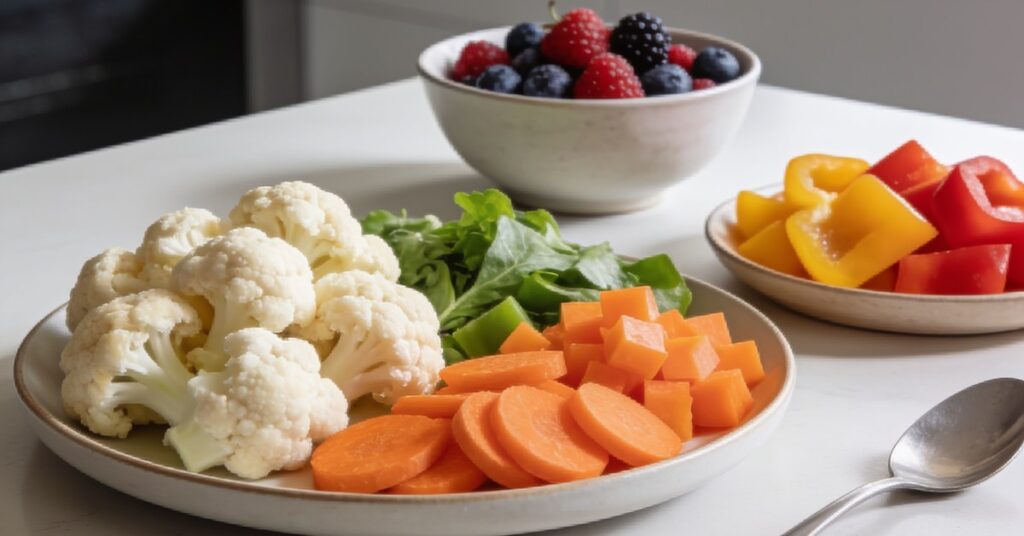
| Vegetables | Potatoes, Tomatoes, Spinach | Cauliflower, Carrots, Peppers |
| Proteins/Snacks | Nuts, Beans, Lentils | Popcorn, Corn snacks |
Leaching Methods to Reduce Potassium in Starchy Foods
You can significantly reduce the potassium content in certain plant-based foods by employing specific preparation and leaching techniques before they are consumed. I have found that a little extra effort in the kitchen, like prepping your starchy foods a night in advance, goes a long way in keeping your levels stable without feeling like you are on a restrictive diet. When you boil potatoes and vegetables, a significant portion of the potassium is lost into the cooking water, which is why the method you use to prepare these items matters just as much as the food itself.
Leaching and Preparation Protocols
Follow these steps to ensure you are properly leaching your vegetables to reduce the potassium content:
- Peel root vegetables and cut them into small, thin slices to maximise surface area.
- Soak the prepared vegetables in warm water for at least two hours.
- Refresh the soaking water midway through the process to further extract minerals.
- Boil using a water-to-food ratio of at least 10:1.
- Discard all cooking water used—never use it for stocks or gravies.
Important: Always drain and thoroughly rinse all canned beans, lentils, and fruits to remove the potassium-rich brine or syrup that hides in the tin. This simple physical removal process is one of the most effective ways to lower the mineral density of your meals, allowing you to enjoy a wider variety of foods while safely managing your total daily intake. Even low potassium foods can be further improved by these methods if you are especially sensitive to mineral fluctuations.
Selecting Low Potassium Diet Alternatives for Better Health
Transitioning to a lower potassium diet does not mean sacrificing variety, as you can replace high-potassium ingredients with safer, nutrient-dense alternatives that are easier for your body to process. Many patients worry that a restrictive diet means bland food, but swapping ingredients can actually lead to discovering new, vibrant flavours that support your overall graft function and long-term health. A dietitian can help you navigate these changes, ensuring that your nutritional needs are met while keeping your potassium intake within the recommended safe range.
- Replace potatoes with cauliflower for a lighter, gut-friendly mash.
- Switch tomato-based sauces for garlic, lemon juice, or fresh herb infusions.
- Swap bran cereals or brown rice for white rice or refined pasta.
- Choose un-enriched rice or almond milk if cow’s milk exceeds your daily limits.
- Opt for low potassium fruits like fresh berries rather than dried options.
- Use meat or fish in moderate portions to maintain protein levels without excessive potassium.
Navigating Processed Foods for Hidden Potassium Additives
Modern processed foods often contain hidden potassium-based additives that can significantly inflate your daily intake, making label reading a mandatory habit. You must scan food labels specifically for the word „potassium” and avoid products that use it as a preservative or flavour enhancer. Many foods that appear healthy, such as low-sodium vegetable juices or sports drinks, are often quite high in potassium due to added salts.
Remember: Aim for foods with 5% Daily Value (DV) or less of potassium per serving, and strictly avoid items that exceed 15% DV or contain more than 200mg of potassium per serving. Checking for these additives in everyday products is a crucial step in maintaining your immunosuppression stability and preventing accidental spikes in your blood chemistry. If you are living with chronic kidney disease, these hidden sources can also raise potassium levels unexpectedly, complicating your ability to regulate your internal balance.
Additives to Watch For
- Potassium chloride (often used in salt substitutes)
- Potassium phosphate and Potassium sorbate
- Potassium lactate and Potassium citrate
Frequently Asked Questions
Can I still eat bread if I need to lower potassium?
Yes, white bread is generally lower in potassium compared to whole-grain varieties. Always check food labels to ensure the specific brand does not contain added potassium-based preservatives, as foods such as bread can vary significantly between manufacturers.
Is it safe to consume potassium from fruits if I have kidney disease?
You should be cautious with potassium from fruits and opt for low potassium fruits like apples, pears, or berries. Fresh fruit should always be preferred over dried fruit or concentrated juices, as the processing involved in dried fruit concentrates the amount of potassium significantly.
How often should I monitor my potassium level?
The frequency of monitoring depends on your clinical team’s instructions and your current blood results. Patients living with chronic kidney disease usually require regular blood tests to ensure their levels remain within a safe range, as kidneys are not working properly to remove excess mineral on their own.
Are all salt substitutes dangerous for my health?
Many salt substitutes contain potassium chloride, which can be dangerous if you have difficulty filtering potassium. You should always consult your doctor or a dietitian who can help you identify safe seasoning alternatives that do not cause dangerous side effects.
Adhering to these dietary modifications and leaching protocols ensures that your body receives the necessary nutrients without the dangerous burden of excess mineral accumulation. Always prioritise open communication with your clinical team to tailor these guidelines to your specific metabolic needs and recovery stage, as they are best equipped to help you control the levels of potassium in your blood safely.