For patients navigating the complexities of intestinal recovery or post-transplant life, managing blood glucose levels is a vital component of long-term digestive stability and metabolic health. In this article, I provide a clinically-informed 14 Day No Sugar Diet Food List designed to help you stabilise your energy levels while ensuring you maintain essential nutrient intake. You will discover practical strategies for navigating these two weeks safely, including how to identify hidden sugars and build a sustainable meal plan that supports your unique recovery journey, helping you maintain consistent energy levels throughout the day without the debilitating effects of sugar crashes.
14 Day No Sugar Diet Food List
Understanding the Two-Week Sugar Elimination Challenge
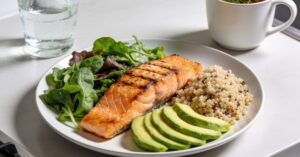
A fourteen-day sugar-free regimen prioritises the removal of artificial sweeteners and refined carbohydrates. Your nutrition should focus on whole, natural ingredients, including lean proteins like poultry and fish, a variety of non-starchy vegetables such as kale and broccoli, heart-healthy fats like olive oil, and small portions of fibrous whole grains.
The core objectives of this challenge include:
- Prioritising minimally processed, whole food sources.
- Maintaining a daily intake of added sugar below 5 grams.
- Strictly avoiding refined sugars, sweetened beverages, and processed snacks.
Protein Sources
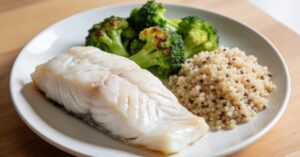
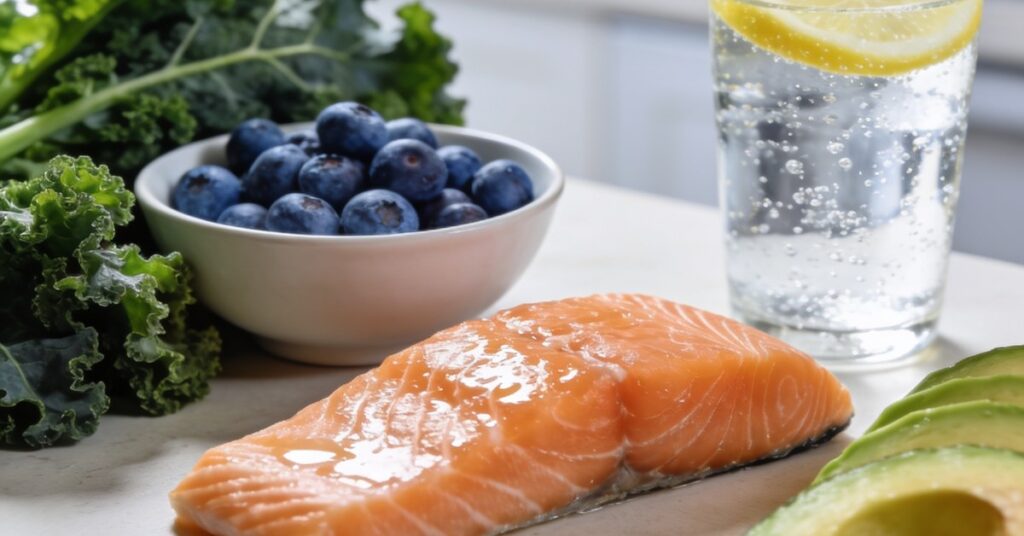
Unprocessed meats, seafood, and eggs are essential building blocks for a sugar-free lifestyle. Options include chicken breast, turkey, grass-fed beef, lamb, salmon, cod, tuna, mackerel, and various crustaceans, provided they are prepared without sugary glazes or sauces.
For those following plant-based diets, tofu, tempeh, and edamame are excellent, nutrient-dense protein sources. Tempeh, in particular, offers the benefits of fermented soy, while edamame is a high-fibre option that serves as a complete plant protein.
Recommended Vegetables
Vegetables should form the bulk of your intake. Focus on the following categories:
- Leafy Greens: Spinach, rocket, romaine lettuce, and kale.
- Cruciferous Vegetables: Broccoli, cauliflower, cabbage, and Brussels sprouts, all of which offer high nutritional value with negligible sugar content.
- Non-Starchy Choices: Bell peppers, courgette, asparagus, green beans, cucumbers, onions, and tomatoes.
Healthy Fats, Nuts, and Seeds
Incorporate beneficial fats to maintain satiety. Opt for extra virgin olive oil, avocado oil, and coconut oil. Nuts and seeds such as walnuts, almonds, flaxseeds, chia seeds, and pumpkin seeds provide essential nutrients without the need for added sugar. Always choose raw, unsalted varieties.
Fruits and Grains
Consume fruit in moderation, focusing on berries such as blueberries, strawberries, and raspberries, alongside tart options like green apples, lemons, and limes. When selecting grains, choose unprocessed options like quinoa, steel-rolled oats, and brown rice, and complement them with legumes like lentils or chickpeas.
Dairy and Condiments
Plain, full-fat Greek or natural yogurt is suitable, provided the label shows zero added sugars. Aged cheeses like cheddar, feta, or goat cheese are also appropriate. For seasoning, utilise apple cider vinegar, mustard (ensuring it contains no honey), herbs, and spices.
Foods to Avoid
To successfully complete the fourteen-day period, you must exclude the following:
- Added Sugars: Table sugar, maple syrup, honey, agave nectar, and corn syrup.
- Refined Carbohydrates: White bread, white pasta, pastries, and sugary cereals.
- Packaged Goods: Biscuits, sweets, and pre-made condiments like ketchup or BBQ sauce.
- Sweetened Beverages: Fizzy drinks, energy drinks, and fruit juices.
Healthy Snack Alternatives
If you require a snack between main meals, consider these options:
- Hard-boiled eggs.
- A small handful of raw, unsalted nuts.
- Roasted chickpeas.
- Plain yogurt topped with a few fresh berries.
Hydration
Stay hydrated with still or sparkling water, plain black coffee, or unsweetened herbal and green teas. Avoiding sugar during these two weeks can assist in resetting your palate and reducing overall cravings for processed, sweetened products.
The Essential 14 Day No Sugar Diet Food List
The primary goal of a 14 Day No Sugar Diet Food List is to limit added sugar intake to less than 5 grams daily by prioritising whole foods and nutrient-dense foods that support intestinal integrity. By cutting out sugar, you significantly reduce the burden on your digestive system, which is crucial for those recovering from surgery or managing chronic gut health issues. This protocol requires a strict focus on high-quality lean protein such as chicken, turkey, beef, and lamb, alongside fresh fish like salmon, cod, tuna, barramundi, and mahi mahi, which provide essential fatty acids for those with sensitive digestive tracts. To ensure you meet your nutritional requirements without adding inflammatory sugars, your plate should be dominated by leafy greens—spinach, kale, rocket, and lettuce—as well as cruciferous vegetables like broccoli, cauliflower, and Brussels sprouts. Complement these with plain Greek yogurt, cottage cheese, and hard cheeses, while staying hydrated exclusively with still water, sparkling water, black coffee, or unsweetened herbal teas. Adopting this structured approach ensures that you provide your body with the necessary building blocks for cellular repair while keeping systemic inflammation at bay, which is critical for anyone managing complex gastrointestinal conditions.
Core Foods for a Sugar-Free Diet Plan
Adopting a 14-day no sugar diet for beginners involves structuring your daily intake around unprocessed meats, leafy greens, and low-glycaemic fruits to maintain steady blood sugar levels. For those managing intestinal health, include healthy fat sources such as avocado, olive oil, and raw nuts and seeds like almonds, walnuts, and pecans to ensure adequate caloric density without relying on simple carbohydrates. Post-transplant recovery is a journey, and managing your nutrition is a huge step toward getting back to normal life; in my experience, keeping these staples handy makes the transition much smoother. Legumes such as the lentil, chickpeas, and various whole grains, alongside oats, serve as excellent sources of complex carbohydrates that support gut motility and provide sustained energy without sugar. By focusing on these whole foods, you avoid the common pitfalls of reliance on processed foods that often disrupt the delicate balance of the gut microbiome. When you build your meals around these pillars, you create a robust foundation that supports not just the immediate 14-day goal, but the long-term health of your digestive system, helping to prevent the bloat often associated with high sugar intake.
| Food Category | Recommended Choices |
|---|---|
| Proteins | Chicken, Turkey, Beef, Lamb, Salmon, Cod |
| Vegetables | Spinach, Broccoli, Kale, Cauliflower |
| Healthy Fats | Avocado, Olive Oil, Raw Nuts and seeds |
| Dairy | Greek Yogurt, Cottage Cheese |
Foods to Avoid on a Sugar Diet
To successfully adhere to this 14-day challenge, you must systematically eliminate all foods to avoid, specifically obvious sources of sugar and refined carbohydrates that often trigger blood sugar spikes. Ever wondered if that „healthy” granola bar actually fits into your recovery plan? Usually, the answer is a hard no, as it’s packed with hidden sugars that can cause rapid shifts in blood sugar levels, which is the last thing you want when your system is already under pressure. You must steer clear of sweets such as chocolates, gummies, caramels, cookies, cakes, and ice cream, along with processed foods like soda, sweetened smoothies, store-bought fruit juice, energy drinks, and sweetened teas. Furthermore, remove alcohol, sugar-laden condiments like ketchup and barbecue sauce, flavoured oatmeals, sweetened cereals, and white flour products including white bread, crackers, and regular pasta from your kitchen environment to prevent accidental consumption. By removing these sugary foods, you significantly reduce the risk of triggering the inflammatory response that often necessitates a more restrictive approach to your daily nutrition while helping your body detox from sugar and reset its metabolic baseline.
- Avoid all syrups: Honey, maple, agave, and molasses.
- Skip processed sweets: Chocolates, gummies, and ice cream.
- Ditch the refined carbs: White bread, crackers, and regular pasta.
- Eliminate sweetened beverages: Soda, energy drinks, and fruit juices.
Strategic No-Sugar Meal Plan and Shopping Essentials
Effective meal planning for a 14-day no-sugar meal plan relies on a well-organised grocery list that prioritises nutrient-dense foods, proteins, and pantry staples. Remember: Always check the ingredient list for hidden sugars like sucrose, fructose, or dextrose, as these can sneak into even the most „innocent” looking savoury sauces that you might otherwise assume are safe. Your produce rotation should include two bags of spinach, one bunch of asparagus, two heads of broccoli, four medium zucchini, one head of cauliflower, one bag of green beans, one bunch of kale, three bell peppers, a pint of cherry tomatoes, three cucumbers, a stalk of celery, five avocados, three lemons or limes, two pints of berries, a bunch of bananas, and three apples. Protein sources should feature two salmon fillets, two cod or white fish fillets, one pound of shrimp, two pounds of chicken breasts, one pound of lean ground turkey, one pound of steak, and a pack of deli turkey. Ensure your pantry is stocked with quinoa or brown rice, rolled oats, two cans of white beans or lentils, two cans of tuna, a jar of sugar-free marinara sauce, natural peanut or sunflower seed butter, and a tub of hummus. Complement these with two dozen eggs, a large tub of plain Greek yogurt, a block of cheddar or feta cheese, and a carton of unsweetened almond milk to create balanced meals and snacks like garlic butter roasted salmon with asparagus for dinner on Day 1, or turkey meatballs over zucchini noodles with sugar-free sauce on Day 3.
- Check your pantry and remove all items containing added sugar.
- Stock up on versatile staples like quinoa, brown rice, and rolled oats.
- Prepare your proteins in bulk to save time during the week.
- Keep a food diary to track how your gut responds to these new, clean ingredients.
Physiological Benefits of Sugar for 14 Days
Reducing sugar intake significantly benefits metabolic health by lowering insulin levels, which prevents the rapid blood sugar spikes and crashes that can exacerbate fatigue and systemic inflammation. The World Health Organization recommends reducing free sugar intake to less than 10% of total energy intake, with further health benefits suggested by dropping below 5% or 25 grams of sugar per day. Beyond metabolic stability, this reduction can decrease oil production and acne breakouts, contributing to overall physical well-being. A study involving ten healthy adults demonstrated that such a restriction is highly effective, and because taste buds are replaced every 10 to 14 days, this two-week period is the perfect timeframe to reset your palate and reduce your dependency on natural sugar sources found in processed treats. By lowering insulin levels, you allow your body to better regulate energy storage and utilization, which is a major advantage when you are working to maintain consistent energy levels throughout your recovery process. This physiological shift is not just about weight management; it is about providing your internal organs with a stable environment where they can function without the constant stress of processing excessive glucose, leading to improved overall systemic health and better blood sugar management.
Managing Cravings on a Sugar Diet Plan
Cravings for sugar typically peak during the first few days of the 14-day diet, and the most effective way to manage them is by maintaining stable blood sugar through deliberate, protein and fibre rich snacking. When food cravings hit, consume eggs, nuts and seeds, avocados, or meat to provide the body with satiety and prevent the urge to reach for refined sugars. If the impulse persists, drink a large glass of water or unsweetened herbal tea, or brush your teeth with minty toothpaste to provide a sensory reset. You may also add cinnamon or vanilla extract to plain yogurt or oats, snack on plain almonds or raw vegetables with hummus, or enjoy small handfuls of berries for fibre and natural sweetness. Most importantly, remove all table sugar, syrup, honey, and molasses from your kitchen to eliminate the presence of temptation, as willpower is often a finite resource in the early stages of dietary change. By having these pre-planned, healthy alternatives ready, you bypass the psychological stress of the urge and reinforce the positive habits you are working so hard to cultivate during this two-week window of transformation, ensuring you have energy without sugar throughout the day.
Guidelines for Fruit on a No-Sugar Diet Food List
Whole fruits are permitted on a 14 Day No Sugar Diet Food List as they provide essential vitamins and fibre, provided they are consumed in their natural, unprocessed state. Dried fruit and fruit juice are strictly banned due to their highly concentrated sugar content, which can lead to rapid glucose absorption and digestive distress, which is particularly problematic for those with compromised intestinal absorption. Recommended options include berries, which contain between 2 and 5 grams of sugar per 100 grams, specifically strawberries, blueberries, raspberries, and blackberries. Additionally, you may incorporate citrus fruits like oranges, lemons, limes, and grapefruit, as well as pome and stone fruits such as apples, pears, and cherries, while ensuring that any canned fruit preserved in syrup is excluded. These fruits offer a naturally sweet flavour that can help satisfy your palate while simultaneously providing the micronutrients necessary for immune function and cellular repair, making them an essential part of your recovery toolkit when used correctly and in moderation. Always prioritize whole fruits over fruit juice, as the fibre content in whole fruit helps slow sugar absorption, preventing the rapid glucose surges that the body struggles to process.
Tips for Success on a No-Sugar Diet Plan
Success on a 14-day no-sugar diet plan requires a combination of label vigilance and strategic meal pairing to ensure you consistently stay below the 5-gram daily limit of added sugar. Important: Always consult your transplant team before making major diet changes, especially if you are currently managing immunosuppression or specific graft function markers, as your individual requirements may vary significantly from those of the general population. Always check product labels for hidden sugars, including sucrose, dextrose, maltose, and high-fructose corn syrup, and be mindful to avoid artificial sweeteners like sucralose and aspartame which can interfere with your taste bud reset and potentially affect your gut microbiome. Pair every meal with clean proteins, healthy fats like avocados, or nuts to slow digestion and support the WHO recommendation of keeping free sugar intake below 5% of your total energy. By focusing on fresh strawberries and blueberries for natural sweetness and maintaining a disciplined approach to your intake, you can successfully complete this challenge and establish a foundation for long-term digestive health that will serve you well for years to come. Remember that while a diet plan can feel overwhelming at first, breaking it down into manageable daily goals makes it achievable for everyone.
- Consult your dietitian regarding your specific daily calorie target.
- Monitor your daily intake for any signs of gastrointestinal sensitivity.
- Stay hydrated throughout the day to support kidney function.
Frequently Asked Questions
Can I use natural sweeteners like stevia during this 14-day period?
It is generally best to avoid all sweeteners, including natural ones, during this two-week reset to effectively recalibrate your palate. Focusing on the inherent sweetness of whole fruits will yield better long-term results for your sugar sensitivity.
How does this diet affect my energy levels during the first week?
You may experience a temporary dip in energy as your body shifts from burning glucose to more stable fuel sources, but this typically resolves by day four. Staying hydrated and consuming adequate healthy fats will help mitigate any transitional fatigue.
Is it necessary to weigh my food to stay under 5 grams of added sugar?
While you do not need to weigh everything, reading labels is essential to ensure you are not accidentally consuming processed items with hidden additives. Focusing on single-ingredient whole foods naturally keeps your intake within the recommended safe limits.
What if I am travelling during this 14-day sugar-free diet?
Travel requires advance planning, such as packing raw nuts, seeds, or pre-cooked proteins to avoid reliance on convenience store snacks. Prioritising simple, unprocessed options when dining out will help you remain consistent regardless of your environment.
Focusing on whole, unprocessed foods will help your digestive system find its natural rhythm and significantly reduce inflammatory stress during your recovery. Remember that every label you check is a victory for your long-term health, so stay patient and kind to yourself throughout this two-week journey.