For patients navigating the complexities of intestinal transplantation or chronic digestive conditions, mastering a Low Residue Diet is a vital step in managing symptoms and supporting long-term bowel recovery. In this article, you will find evidence-based guidance on how to structure your meals safely, identify which foods to prioritise, and effectively manage the clinical goals of reducing intestinal irritation. We are here to provide the clarity you need to approach your nutritional recovery with confidence and practical expertise.
A Low Residue Diet is a strictly controlled eating plan designed to limit your daily intake of fibre and other roughage to less than 10–15 grams per day, thereby minimising the amount of undigested material that reaches the large bowel. By focusing on refined grains, tender proteins, and processed fruits and vegetables, this diet effectively reduces stool volume and the frequency of bowel movements, providing the digestive tract with the necessary rest to facilitate healing or prepare for diagnostic procedures. Many of us who have walked the path of intestinal recovery know that the gut can be incredibly temperamental, and this dietary strategy acts as a temporary peace treaty, allowing your system to stabilise when it is under the most stress. It is not about eliminating joy from your plate, but rather about choosing components that work with your anatomy rather than against it during these critical phases of physiological healing.
Low residue diet
Understanding the Low Residue Diet
A low-residue diet is specifically designed to minimise the intake of dietary fibre and other substances that are challenging for the body to process. By restricting items such as nuts, seeds, and raw produce, this dietary approach reduces the volume of undigested matter that passes through the large intestine. Medical professionals often prescribe this regimen for temporary use to facilitate bowel rest, alleviate gastrointestinal discomfort, or ensure the success of specific medical diagnostics.
Primary Objectives
The fundamental goal of adopting a low-residue lifestyle is to limit the quantity of residue left within the digestive tract. This helps to soothe the lining of the gut and minimise the frequency and volume of bowel movements, which is particularly beneficial for those suffering from acute digestive distress.
Recommended Foods
When following this nutritional plan, you should focus on items that are easily absorbed and leave minimal waste. Suitable choices include:
- Refined grains such as white bread, white rice, plain pasta, and processed cereals like cream of wheat or corn flakes.
- High-quality proteins including tender, well-prepared lean meats, fish, poultry, and eggs.
- Fruits and vegetables that have been cooked or canned, provided they are served without their skins, seeds, or pulps.
Foods to Exclude
To maintain the integrity of a low-residue intake, you must avoid foods that are high in roughage or difficult to break down. You should steer clear of:
- Whole-grain products, including brown rice, whole-wheat bread, granola, and bran.
- All varieties of seeds, nuts, and popcorn.
- Raw vegetables and fresh fruits, particularly those with skin or small seeds, as well as dried fruits and berries.
- Legumes such as lentils and beans, tough cuts of meat containing gristle, and dishes that are extremely spicy or high in fat.
Guidelines for Managing Bowel Symptoms
If you have been directed to consume a low-residue diet due to ongoing bowel health concerns, ensure that you prepare your food thoroughly until it is soft. Cooking your meals adequately helps to break down components that might otherwise cause irritation during digestion. Always consult with your healthcare provider to tailor these recommendations to your personal clinical requirements.
What Is a Low Residue Diet and Why Do We Follow a Low Residue Diet?
The primary purpose of a Low Residue Diet is to minimise mechanical and chemical irritation in the large intestine by restricting fibre-heavy foods that the body cannot fully break down. This dietary intervention is essential for patients requiring bowel rest, as it limits intake to white bread, white rice, and plain pasta, while excluding whole grains, bran, nuts, and seeds that would otherwise stimulate excessive intestinal activity. When you are dealing with a compromised digestive tract, these high-fibre items, while usually healthy for the general population, become obstacles that can cause significant pain and obstruction.
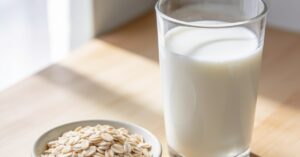
Clinicians prescribe this regimen to support colon healing or to ensure the bowel is completely clear before medical procedures such as a Colonoscopy. By avoiding raw fruits and vegetables, which contain tough cellulose, the diet prevents the accumulation of undigested bulk. Patients may also be advised to limit milk and dairy products if they find these items cause discomfort or bloating during their recovery phase. Think of this approach as giving your digestive engine a lighter fuel source so that it does not have to work as hard to maintain your graft function and overall stability.
Therapeutic Benefits and Medical Uses of a Low Residue Diet
The Low Residue Diet serves as a critical therapeutic tool for managing inflammatory bowel disease flare-ups, including Crohn’s disease and ulcerative colitis, by reducing the workload on an inflamed gut. It is widely utilised to provide relief from distressing symptoms such as abdominal pain, cramping, bloating, and chronic diarrhoea, allowing the intestinal tissue to recover without the constant stress of processing complex fibre. In my own experience working with transplant cohorts, I have seen how quickly the reduction of mechanical stress can turn a painful recovery phase into a manageable one.
Beyond managing inflammation, this diet is indispensable for patients recovering from major bowel surgeries, such as bowel resection, ileostomy, or colostomy, where the integrity of the intestinal wall is paramount. It is also used to manage diverticulitis during acute inflammation of colon pouches and serves as a preventative measure against food blockage in patients suffering from bowel strictures or narrowed intestines, ensuring that processed food passes through the digestive system with minimal resistance.
Distinguishing Between Low Residue Diet and Low Fibre Food Choices
While often confused, a Low Residue Diet is significantly more restrictive than a standard low-fibre diet because it eliminates any food that increases fecal volume or leaves significant residue in the colon. The differences are best summarised in the table below, which highlights why the specific selection of proteins and dairy is so vital for those of us with sensitive guts:
| Feature | Low-Fibre Diet | Low-Residue Diet |
|---|---|---|
| Daily Fibre Limit | 10–15 grams | < 10 grams |
| Tough Meats | Generally allowed | Strictly restricted |
| Dairy Products | Moderate intake | Often eliminated |
| Legumes/Nuts | Limited | Prohibited |
Understanding these subtle nuances is key because a standard low-fibre approach might still include foods that leave enough residue to cause discomfort in a patient with a fresh transplant or a severe stricture. By narrowing your focus to the stricter Low Residue Diet, you ensure that the volume of waste produced daily is kept to an absolute minimum.
Safe Food Choices and Foods to Avoid on a Low Residue Diet
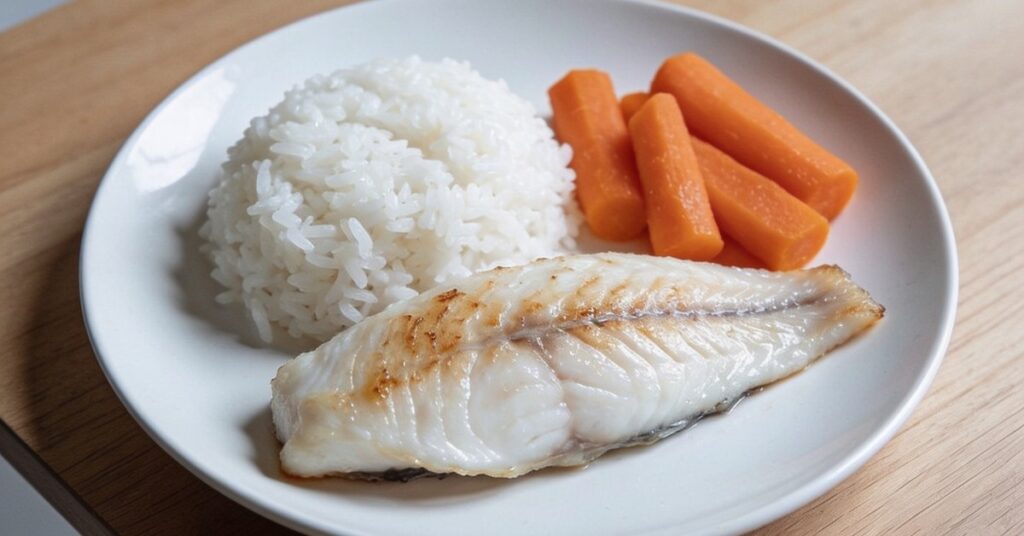
Choosing the right ingredients is the cornerstone of this diet, focusing on foods that are easily absorbed and leave almost no trace in the digestive tract. You should prioritise refined white grains like white bread and white rice, along with tender, well-cooked proteins such as chicken, beef, fish, pork, eggs, and tofu. Ever wondered if your favourite snack fits into your recovery plan? Stick to the safe list to keep your internal environment stable and your gut happy.
- Eat: White bread, white rice, refined pasta, Corn Flakes.
- Eat: Skinless chicken, fish, eggs, tofu.
- Eat: Cooked, peeled, seedless vegetables and fruits.
- Avoid: Whole-wheat bread, brown rice, oats, bran.
- Avoid: Nuts, seeds, popcorn, raw vegetables, potato skins.
The science here is simple: you want foods that are soft, easily broken down by enzymes, and low in insoluble fibre. When you choose to eat skinless chicken or well-cooked carrots, you are essentially pre-processing the food for your gut. This allows for a quicker transit time and significantly less fermentation in the colon, which is where most of the gas and bloating issues originate. Be diligent with your labels; even a tiny amount of hidden bran in a processed grain product can set back your recovery progress by days.
Practical Meal Planning and How to Re-introduce Fibre
Successful implementation of this diet relies on strict adherence to a daily fibre limit, coupled with consistent meal timing. Post-transplant recovery is a journey, and managing your nutrition is a huge step toward getting back to normal life; here is a simple process to track your progress:
- Consult your transplant dietitian to set your specific daily calorie target.
- Keep a food diary to note down any digestive discomfort after meals.
- Monitor your symptoms and adjust portion sizes accordingly.
- Ensure you drink 6–8 cups of fluid daily to stay hydrated.
Remember: Always consult your transplant team before making major diet changes, as your specific nutritional needs post-transplant may differ from general guidelines. Keeping a food diary is perhaps the most underrated tool in your arsenal, as it allows you to identify patterns in how your body reacts to specific proteins or refined carbohydrates. If you notice persistent nausea after a particular type of fish, you can quickly pivot and replace it with tofu or eggs. This proactive tracking is what gives you control over your recovery.
Managing Potential Risks and Mineral Deficiencies
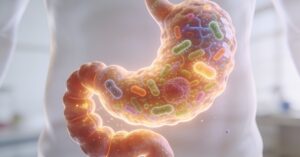
The primary risks of a long-term Low Residue Diet include the development of nutritional deficiencies, particularly in Vitamin C and folate, as well as the potential for constipation due to significantly reduced stool weight and bulk. Because the diet excludes many fibre-rich plants, it can also lead to gut microbiome imbalances, potentially harming the helpful bacteria that reside in your digestive system. Patients may also experience side effects such as abdominal cramping, nausea, bloating, gas, and headaches during the initial transition period.
To mitigate these risks, it is imperative to consume 6–8 cups of fluid daily to keep the digestive system moving and prevent the stool from becoming too hard. While the diet is effective for short-term healing, it should not be maintained indefinitely without clinical supervision. According to guidelines from the American Academy of Nutrition and Dietetics, once your condition stabilises, you should work with your healthcare team to gradually increase your dietary fibre intake to 20–30 grams daily, prioritising lean proteins like fish and tofu while continuing to avoid fried or very fatty foods that can further irritate a sensitive gut.
Frequently Asked Questions
How long should I stay on a Low Residue Diet?
The duration of this diet is entirely dependent on your clinical needs, such as the time required for a post-surgical site to heal or the preparation window for an upcoming Colonoscopy, and should always be determined by your gastroenterologist or transplant team. It is a temporary clinical tool rather than a permanent dietary lifestyle.
Can I eat dairy products while on this diet?
While the Low Residue Diet often restricts dairy to prevent discomfort, many individuals can tolerate small amounts of plain yogurt or hard cheeses. However, you should monitor your symptoms closely and eliminate them if you experience bloating or diarrhoea.
How do I safely re-introduce fibre to my diet?
The transition should be gradual, typically involving the slow reintroduction of one fibre-rich food at a time over several weeks. Always observe how your digestive system responds to the increase in bulk before adding more variety to your meals.
What should I do if I experience persistent constipation?
If you find that your bowel movements become infrequent or painful, ensure you are meeting your daily fluid goal of 6–8 glasses. Consult your medical team before adding any fibre supplements or laxatives, as these may interfere with your recovery plan.
Adhering to this structured dietary approach provides your gut the essential peace it needs to heal while you maintain crucial nutritional support during your recovery. Always remember that this path is a temporary, guided bridge back to health, and your transplant team remains your most reliable partner in navigating each step of the journey.