For those navigating the complexities of post-transplant recovery or chronic digestive conditions, understanding the impact of herbal infusions like sorrel tea on nutrient absorption and renal function is a vital component of your daily health management. In this article, you will learn exactly how much sorrel is safe to consume, the potential risks of oxalate intake for your specific digestive needs, and actionable preparation tips to help you make informed, safe dietary choices. We have distilled clinical evidence into clear, practical guidelines to ensure you can manage your recovery with confidence and clarity, helping you decide whether this herbal addition belongs in your daily routine.
How much sorrel is safe to drink daily
Understanding Daily Sorrel Consumption
The term „sorrel” often refers to two distinct plants: Hibiscus sabdariffa (frequently enjoyed as Caribbean or Jamaican sorrel tea) and Rumex acetosa (a leafy green garden herb). Safe intake levels differ significantly between these two, making moderation a fundamental principle to prevent health complications such as mineral imbalances or high oxalate levels.
Hibiscus Sabdariffa (Caribbean Sorrel)
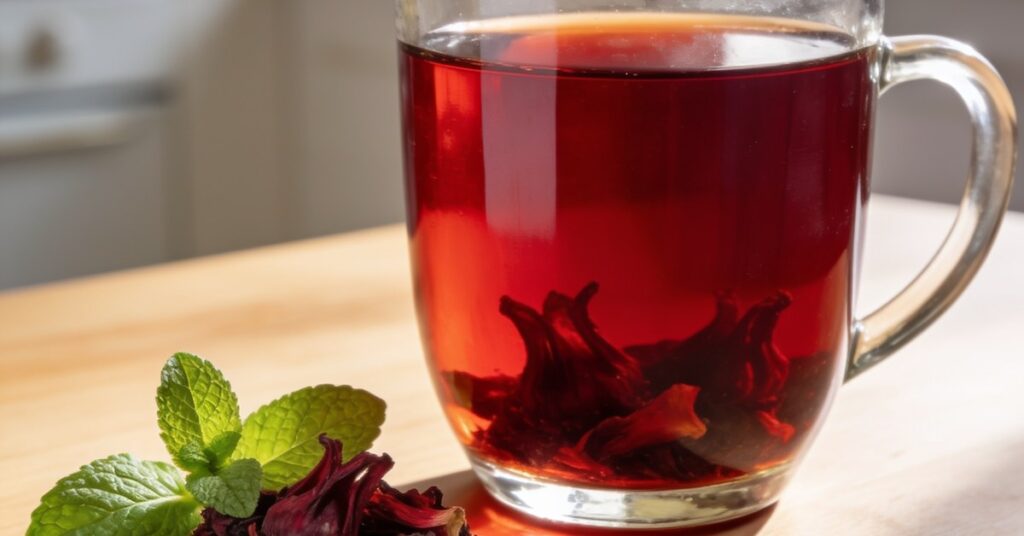
Hibiscus-based sorrel is generally regarded as safe for most individuals when consumed in moderate, daily portions. Current guidance typically suggests that drinking between two to four cups per day is acceptable for the average person.
- Health benefits: It may assist in managing hypertension, hyperglycemia, and dyslipidaemia.
- Medication interactions: Excessive consumption carries the risk of interfering with specific drugs, including those for blood pressure management, hormone replacement therapies, and common painkillers like acetaminophen.
Garden Sorrel (Rumex Acetosa)
Unlike hibiscus, traditional garden sorrel contains high concentrations of oxalic acid. This compound is known to inhibit the body’s ability to absorb essential minerals and is linked to an increased risk of developing kidney stones.
- Dietary balance: While it can be included in a varied diet, it should be consumed sparingly rather than as a daily staple.
- Calcium depletion: Regular, heavy consumption of this variety may lead to a reduction in bodily calcium levels.
Key Safety Considerations
Before making sorrel a regular part of your daily routine, it is necessary to consider individual health profiles and specific risks:
- Pregnancy: Expectant mothers should seek professional medical advice, as some research indicates that high intake of hibiscus-based products might negatively influence uterine health.
- Kidney health: If you possess a history of kidney disease or stones, it is crucial to consult a doctor, as the high oxalate content creates a therapeutic risk.
- Botanical identification: Always ensure the plant is correctly identified, as the leaves of garden sorrel can be mistaken for the toxic 'Lords and Ladies’ plant.
General Advice and Disclaimer
There is currently insufficient clinical evidence to establish a strict, universal daily threshold for sorrel consumption that applies to everyone. Because individual responses vary, moderation is the safest approach.
Please note: This content is provided for informational purposes only and does not constitute formal medical diagnosis or advice. Always consult with a qualified healthcare provider before making significant changes to your diet or if you are currently taking prescribed medication.
Determining How Much Sorrel Is Safe To Drink Daily And Related Health Benefits
The most widely accepted safe daily range for hibiscus-based sorrel tea is between 1 and 3 cups, with a standard serving size typically measuring 150ml to 200ml. While some evidence from a 2020 review supports the consumption of 2 to 3 cups daily, it is imperative to keep your total intake of dried hibiscus flowers below a 5-gram threshold to mitigate the risk of adverse physiological side effects. For patients focusing on cardiovascular health within their broader recovery plan, a Boston University study specifically linked the consumption of just 1 cup of sorrel daily to a measurable reduction in blood pressure over a 30-day period. Ever wondered how much sorrel is safe to drink daily when managing your recovery? It is important to approach this herbal addition with the same scrutiny you apply to your medication regimen, as the metabolic impact of concentrated plant compounds can be significant for an intestinal transplant recipient. The question of how much sorrel is safe to drink daily is not merely a matter of taste but a critical calculation involving your renal filtration capacity and current electrolyte balance.
There is growing evidence that sorrel, particularly the hibiscus variety, offers powerful health benefits, including anti-inflammatory effects that may support systemic wellness. When you consider the sorrel health benefits, it is easy to see why sorrel is commonly used in traditional medicine to lower blood pressure and improve overall heart health. However, because sorrel is possibly unsafe in massive quantities, especially for those with a history of kidney issues, you must consult your health care professional before making it a part of a balanced diet. Many patients find that sorrel can help manage minor ailments, but they often struggle to find the balance between therapeutic use and potential toxicity.
Distinguishing Between Varieties Of Sorrel And Potential Benefits
It is essential to distinguish between the various types of sorrel because their chemical profiles and subsequent health risks—particularly regarding kidney stones—differ significantly. Confusion between these botanical groups can lead to unintentional exposure to high levels of harmful compounds that are particularly dangerous for those with compromised intestinal or renal systems. Many people confuse sorrel varieties, assuming that the fresh sorrel leaves found in a garden are identical to the sorrel flower used in tea, which is a dangerous assumption.
| Variety | Primary Risk Factor | Renal Impact |
|---|---|---|
| Common Sorrel (Rumex acetosa) | High Oxalic Acid | High (Crystal Formation) |
| Wood Sorrel (Oxalis) | Genus-specific compounds | Moderate |
| Jamaican Sorrel (Hibiscus sabdariffa) | Lower Oxalate levels | Low (if consumed in moderation) |
Understanding The Critical Difference: Rumex, Oxalis, And Jamaican Sorrel
Common Sorrel, scientifically classified as Rumex acetosa, contains high concentrations of oxalic acid that can cause acute oxalate nephropathy, a condition where calcium oxalate crystals physically block kidney tubules and lead to acute kidney injury. In contrast, wood sorrel belongs to the entirely different genus Oxalis, which presents its own unique set of dietary considerations. Most people consuming Jamaican sorrel in a Caribbean context are actually drinking Hibiscus sabdariffa, which is scientifically distinct and contains significantly lower concentrations of oxalates compared to the leafy green garden sorrel, making it a safer, though still potent, choice for regular consumption. French sorrel and red sorrel also feature in culinary traditions, yet their acid in sorrel content can be quite high, requiring careful preparation to avoid the risk of developing kidney stones. Understanding these botanical nuances is a fundamental step in ensuring your dietary choices support, rather than hinder, your long-term intestinal health goals.
Nutritional Sorrel Benefits And Metabolic Impact
Hibiscus-based dried sorrel provides a potent nutritional supplement, offering 71% of the daily value of vitamin C alongside a profile of 29 calories, 2.5 grams of protein, 1 gram of fat, 4 grams of carbohydrates, and 4 grams of fiber per serving. These nutritional components, particularly the anthocyanins found in the hibiscus flower, are key drivers in assisting the body with the regulation of cholesterol and blood pressure levels. Furthermore, the high vitamin C content acts as an antioxidant, supporting eye health and potentially regulating blood sugar levels. Because vitamin C helps the body absorb iron, it is a valuable asset when managed correctly. However, for patients managing intestinal transplantation or malabsorption, it is vital to acknowledge that the oxalates present in these infusions can actively inhibit the absorption of essential minerals like calcium, potentially complicating bone health and electrolyte balance if consumed in excess. If you have ever pondered how much sorrel is safe to drink daily, remember that the high vitamin C content, while beneficial, does not negate the potential for mineral depletion in a specifically sensitive or surgically altered gut.
When you learn more about sorrel, you will realize that sorrel is low in calories and can be a refreshing alternative to sugary drinks. It has been used for centuries, and studies suggest that sorrel might provide many health benefits, including potential support for liver health. However, sorrel is also a source of oxalates, which are also found in sorrel relatives like spinach and rhubarb. For those who enjoy sorrel soup or a sorrel sauce, the key to safety is moderation, ensuring that you do not consume large amounts that could trigger health concerns.
Managing Downsides Of Sorrel And Digestive Sensitivity
Excessive intake is the primary factor behind the downsides of sorrel, which is associated with a range of gastrointestinal and systemic side effects, including stomach pain, nausea, vomiting, and in some cases, severe abdominal distress. The high levels of oxalic acid can lead to kidney stones, while other plant compounds may accelerate stomach emptying, causing diarrhoea, bloating, or excessive gas. When taking sorrel in large amounts of sorrel, the body’s ability to process these compounds is challenged. Furthermore, for patients whose systems are already sensitive due to surgery or chronic illness, consuming large amounts can lead to systemic reactions such as weakness, dizziness, or unwanted drops in blood pressure, while some individuals may also experience allergic reactions to the specific plant compounds involved. Raw sorrel can make digestion difficult for those with an ostomy or short bowel, as the fibrous structure can cause blockages if not processed correctly.
While sorrel helps some individuals, large amounts can increase the risk of developing health issues. If you decide to use sorrel, consider how it fits into your broader nutritional plan. Many people make sorrel drinks using hibiscus; tea bases, which are generally better tolerated than sorrel leaves consumed raw in a salad. Always monitor your body’s response, as the potential health benefits can be quickly overshadowed by adverse effects if you are not careful about your daily intake. If you experience persistent discomfort, consult your health care provider immediately.
How To Safely Use Sorrel And Best Preparation Practices
Post-transplant recovery is a journey, and managing your nutrition is a huge step toward getting back to normal life. To ensure you are staying on the right track when you use sorrel, follow these steps to manage your consumption safely:
- Consult your dietitian about your specific immunosuppression needs before starting any herbal regimen, as foods like sorrel can interact with medications.
- Measure your dried hibiscus flowers accurately using a scale to stay under the 5-gram daily limit, as sorrel extract can be highly concentrated.
- Steep for 5 to 7 minutes; over-steeping can increase the extraction of unwanted compounds, including excess oxalates.
- Keep a food diary to track any changes in your graft function or digestive comfort, especially when cooking sorrel in new recipes.
Important: Never exceed the upper daily limit of 4 cups, as large amounts of sorrel are directly linked to liver and stomach damage and the dangerous potential for acute kidney injury. When you make sorrel, ensure the water quality is high and that you are not adding excessive sugar, which could interfere with your gut health and metabolic stability.
Frequently Asked Questions
Can Sheep Sorrel be used interchangeably with Jamaican Sorrel?
No, they cannot be used interchangeably because sheep sorrel contains significantly higher concentrations of oxalates than Jamaican sorrel. Using the wrong variety can inadvertently expose your kidneys to dangerous levels of acid, which is why correct identification is paramount for patient safety.
Are there specific times of day that are safer for consumption?
It is generally safer to consume your serving alongside a meal rather than on an empty stomach. This can help buffer the acidity and potentially mitigate the impact of plant compounds on your stomach lining and gut motility, ensuring that sorrel is safe for your system.
Do the potential benefits of anthocyanins outweigh the renal risks?
For the average healthy individual, the cardiovascular benefits are often considered favourable, but for transplant patients, the renal risks of oxalates are a far higher clinical priority. You must weigh these factors carefully with your medical team based on your current kidney function markers, as sorrel might increase the risk of complications if your filtration is already compromised.
What should I do if I experience mild nausea after drinking it?
You should immediately discontinue consumption and monitor your symptoms for 24 hours while ensuring adequate hydration. If the nausea persists or is accompanied by abdominal pain, contact your transplant coordinator to rule out adverse reactions or complications with your prescribed medications, as taking sorrel should never compromise your recovery.
Prioritise your renal and digestive integrity by limiting your daily intake to no more than three cups of hibiscus-based tea. Please remember that your transplant team is your best resource for tailoring these guidelines to your specific recovery needs and ensuring that every dietary choice remains a positive step in your long-term health journey.