For patients recovering from intestinal transplantation or managing complex digestive conditions, achieving adequate caloric intake is a vital yet often challenging component of the healing process. This article provides a clinical and practical overview of how to safely incorporate high-calorie, nutrient-dense drinks into your nutritional plan to support recovery and weight maintenance. By exploring evidence-based recipes and timing strategies, you will learn how to boost your energy levels while respecting the unique physiological needs of your digestive system.
Weight gain drinks are concentrated liquid nutritional supplements designed to significantly increase daily calorie and protein intake for individuals who struggle to meet their requirements through solid food alone. These beverages serve as a practical intervention for those experiencing appetite loss or malabsorption, providing between 500 and 1,000 extra calories per serving to support body weight maintenance and recovery.
Nutritional Foundations for Healthy Banana and Energy Boosting Recipe Ideas
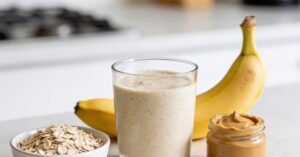
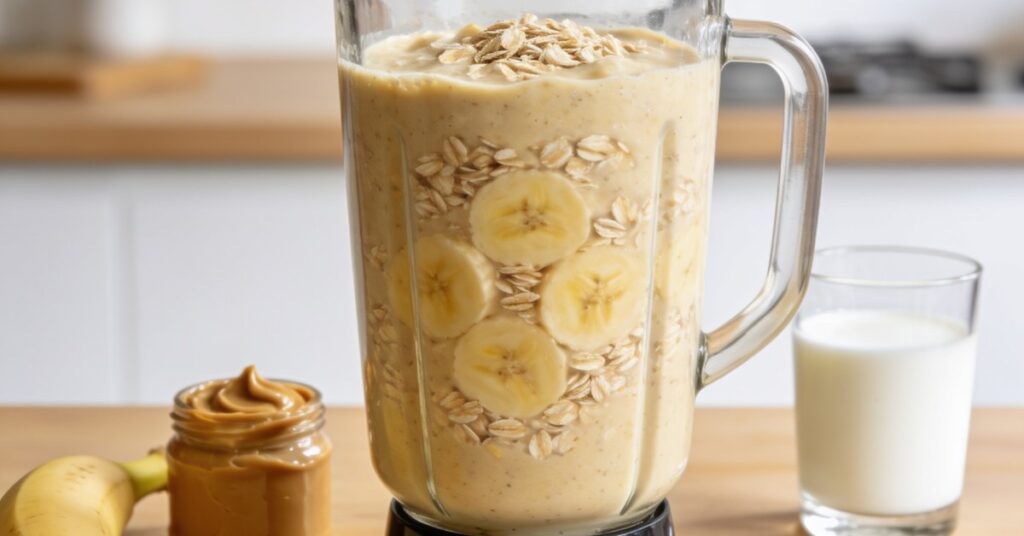
Creating your own shakes is the safest way to ensure ingredient quality while catering to the specific tolerances of a recovering gastrointestinal tract. By using whole foods such as 240 ml of whole milk, one medium ripe banana, two large spoons of peanut butter, 1/2 cup of rolled oats, and 1 to 2 small spoons of honey or dates, you can build a dense, easily digestible meal replacement that avoids the artificial fillers found in processed alternatives. Remember: Always start with small portions to see how your system handles the increased caloric load.
Optimising Calorie and Protein Density with Whole Foods
You can further increase the energy density of your smoothies by selecting high-calorie, gut-friendly bases. Compare these common additions to see how they impact your daily totals:
| Ingredient | Caloric Contribution |
|---|---|
| Whole Milk (1 cup) | ~150 kcal (vs water) |
| Dried Milk Powder (1/4 cup) | ~110 kcal |
| Ice Cream (3/4 cup) | ~225 kcal |
| Olive Oil (2 tablespoons) | ~240 kcal |
Post-transplant recovery is a journey, and managing your nutrition is a huge step toward getting back to normal life; don’t be afraid to experiment with these ingredients once you have the green light from your medical team.
Evaluating Commercial Mass Gainers versus Healthy Whole Food Smoothie Alternatives
Homemade Weight Gain Drinks are generally superior to store-bought mass gainers because they allow you to control sugar content and avoid processed ingredients like maltodextrin. While commercial powders are convenient, they are often more expensive and lack the natural fibre and micronutrients found in fresh fruit, oats, and nut butters.
The Science of Fitness Protein Synthesis and Nutritional Efficiency
Weight Gain Drinks are effective for muscle building only when combined with consistent resistance training, as consuming additional protein without such exercise has no impact on lean muscle mass or strength. Ever wondered if that extra shake is actually doing the heavy lifting for you?
- Ensure your graft function is stable before increasing caloric intake.
- Consult your dietitian to define your specific daily calorie target.
- Keep a food diary to track how your digestion responds to different ingredients.
Optimising Timing and Frequency for Appetite and Digestive Comfort
The most effective strategy for consuming weight gain shakes is to space them out alongside meals or to include them between meals to avoid overwhelming your digestive capacity. To support metabolic recovery, you may drink a shake 30 to 60 minutes post-exercise or before sleep, though you should limit your total consumption to no more than twice per day.
Frequently Asked Questions
Can I add coffee or chocolate flavours to these drinks?
Yes, you can add 3 tablespoons of unsweetened cocoa powder or a shot of espresso to your blend for variety. These additions provide a flavour boost without significantly altering the digestive safety profile, provided you tolerate caffeine and cocoa well.
Is it safe to use pumpkin or apple in my smoothie?
Using pureed pumpkin or stewed apple is an excellent way to add texture and vitamins to your drink. These ingredients are generally gentle on the digestive system and can enhance the nutritional density of your homemade supplement.
Should I use silken tofu for extra protein?
Silken tofu is a fantastic, neutral-tasting source of plant-based protein that blends perfectly into smoothies. It adds a creamy consistency without the heavy dairy profile, making it a great option for those with lactose sensitivities.
How does casein affect recovery?
Casein is a slow-digesting protein that can be beneficial when consumed before sleep to support overnight muscle repair. If your transplant team approves, adding a slow-release protein source can help sustain your nutritional levels throughout the night.
Prioritising whole-food ingredients ensures you receive essential nutrients while maintaining the comfort of your digestive tract. Always verify your specific nutritional requirements with your transplant team before making these shakes a regular part of your recovery routine.