Establishing a Simple Health Kitchen is a vital step in reclaiming your independence and ensuring consistent nutritional support during your recovery from an intestinal transplant or while managing complex digestive conditions. In this guide, I will share evidence-based strategies to help you organise your space, select gut-friendly staples, and master time-saving routines that make healthy eating both manageable and safe. You will learn exactly how to transform your kitchen into a supportive environment that prioritises your long-term health and wellbeing.
A Simple Health Kitchen is essentially a streamlined nutritional environment designed to minimise physical effort while maximising the availability of nutrient-dense, easily digestible foods for patients with complex gastrointestinal needs. By focusing on a minimalist toolkit and a well-curated pantry, you can ensure that consistent, safe nutrition is always within reach, regardless of your daily energy levels. Ever wondered if your current kitchen layout is actually working against your recovery goals?
Essential Equipment and Location of Tools in Your Simple Health Kitchen
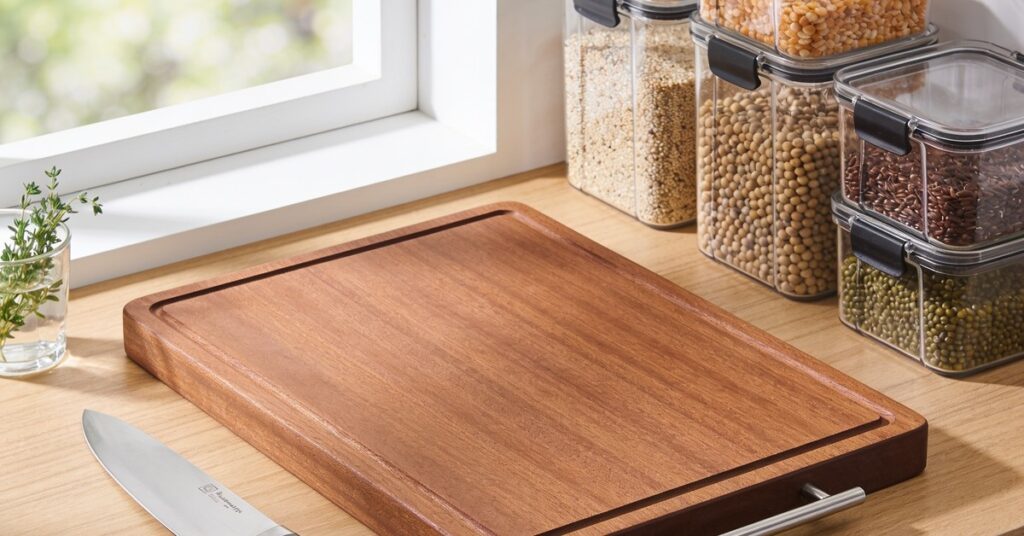
The core of an efficient kitchen for transplant recovery relies on using a small number of versatile, high-quality tools that reduce the physical strain of meal preparation. You should focus on keeping one 8-inch chef’s knife for all slicing and chopping, paired with at least two cutting boards made of wood or plastic to maintain a clean workspace.
| Tool | Primary Digestive Benefit |
|---|---|
| Fine mesh strainer | Perfect for rinsing grains to improve digestibility. |
| Microplane grater | Easily incorporate aromatics like garlic without large chunks. |
| Glass storage | Prevents chemical leaching and maintains food hygiene. |
Curating Your Pantry with Every Healthy Ingredient
An organised pantry supports digestive health by ensuring that your most nutritious staples are always visible and accessible for quick, safe meal assembly. Perform a full clean-out and reorganisation every six months, separating your items into four groups: keep, toss, compost, or donate. Place your healthiest staples, such as whole grains, nuts, and seeds, at eye level, while storing processed snacks in opaque bins on the top or bottom shelves.
Remember: Always decant dry goods like brown rice, oats, and quinoa into clear, airtight containers; this keeps pests out and lets you see exactly how much fibre-rich fuel you have left.
Reviewing Nutritional Staples for a Healthy Lunch
Prioritising specific, gut-friendly ingredients is the most effective way to manage your nutritional intake after surgery or during ongoing digestive treatment. Your pantry should be stocked with no-salt-added canned beans, lentils, and diced tomatoes, alongside essential healthy fats like extra virgin olive oil and avocado oil. Post-transplant recovery is a journey, and managing your nutrition is a huge step toward getting back to normal life—my own experience taught me that having these basics ready prevents the temptation of ordering less-nutritious takeaways.
- Protein: Eggs, canned sardines, and tuna.
- Fats: Extra virgin olive oil, avocado oil.
- Seeds: Chia, pumpkin, flax, and sunflower.
- Seasoning: Sea salt, black pepper, garlic powder, dried herbs.
Budgeting and Food Prep Near Your London Location
You can maintain a high-quality diet on a budget by choosing strategic, cost-effective alternatives that do not compromise your nutritional requirements. Whether you are sourcing produce in a local London market or your nearest grocery store, follow these steps to keep your kitchen running smoothly:
- Write a weekly grocery list divided into perishables, pantry items, and produce.
- Purchase skin-on, bone-in chicken pieces for better value and flavour.
- Bulk out meat dishes with grated vegetables or tinned beans.
- Cook double portions of stews or grain bowls to save energy for the week ahead.
Maintaining a Consistent Routine at Your Home Address
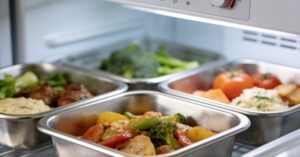
A structured routine is essential for managing your digestive health, especially when you need to monitor your graft function through consistent dietary habits. Store healthy items like eggs, frozen berries, and green vegetables at eye level, and always use the „first in, first out” method by placing older leftovers at the front of the fridge. Keep your kitchen counters clear of extra gadgets to maintain prep space and chop vegetables or cook grains in advance to save time.
Important: Before making significant changes to your diet, always consult your transplant team to ensure your sodium intake and overall nutritional profile align with your individual recovery plan.
Frequently Asked Questions
How often should I review my pantry contents?
You should perform a thorough pantry clean-out every six months to verify the safety and freshness of your supplies. This helps prevent the accumulation of expired goods that might inadvertently compromise your dietary plan.
Is it possible to find specific healthy food at a London location?
Yes, most major supermarkets and independent health shops throughout London stock the essential whole grains and low-sodium staples required for your diet. Check your local area’s directory or online maps to find the nearest supplier of organic or low-salt ingredients.
What is the most important element of a Simple Health Kitchen?
The most important element is the organisation of your workspace to ensure that healthy, gut-friendly staples are at eye level. This strategy significantly reduces the physical effort required during meal preparation, which is vital for maintaining consistency in your recovery.
Can I prepare lunch in advance without losing nutritional value?
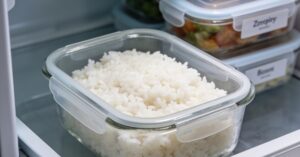
Batch cooking stews or grain bowls in advance is an excellent way to save energy and ensure you have safe, nutritious meals ready. Just ensure you use airtight, glass containers to store your portions, which helps maintain freshness and hygiene for your digestive system.
Building your Simple Health Kitchen around a few versatile tools and staple pantry items will significantly reduce your daily stress. Keeping your workspace organised is a truly empowering way to support your healing journey and ensure your long-term success with intestinal health.