For those managing intestinal health or recovering from a transplant, ensuring the absolute freshness of your food is a critical line of defence against potential bacterial exposure and gastrointestinal distress. In this guide, I will provide you with evidence-based techniques to reliably assess egg quality, helping you navigate daily kitchen safety with confidence and peace of mind. By mastering these simple sensory and physical tests, you can effectively protect your digestive system and maintain a safe, nutritious diet in your ongoing recovery journey.
The most reliable way to answer the question, How do you know if an egg is bad, is to perform the float test, inspect the shell for damage, and use your sense of smell after cracking it open. If an egg floats in water, has a foul or sulfurous odour, or displays abnormal discolouration, it is no longer safe to eat and must be discarded immediately to prevent foodborne illness.
How do you know if an egg is bad
Eggs are perishable goods with a restricted shelf life. Determining whether an egg is still safe for consumption is straightforward if you employ a few simple techniques, such as the water float test, the sniff test, and a careful visual inspection.
Recognising signs of deterioration
If an egg has gone off, it may exhibit several distinct characteristics:
- The egg whites become significantly thinner and runnier.
- The yolk loses its firmness and appears flattened.
- The shell may become brittle or display visible mould.
- An unpleasant, sharp, or sulphurous odour arises upon cracking the shell.
The water float test
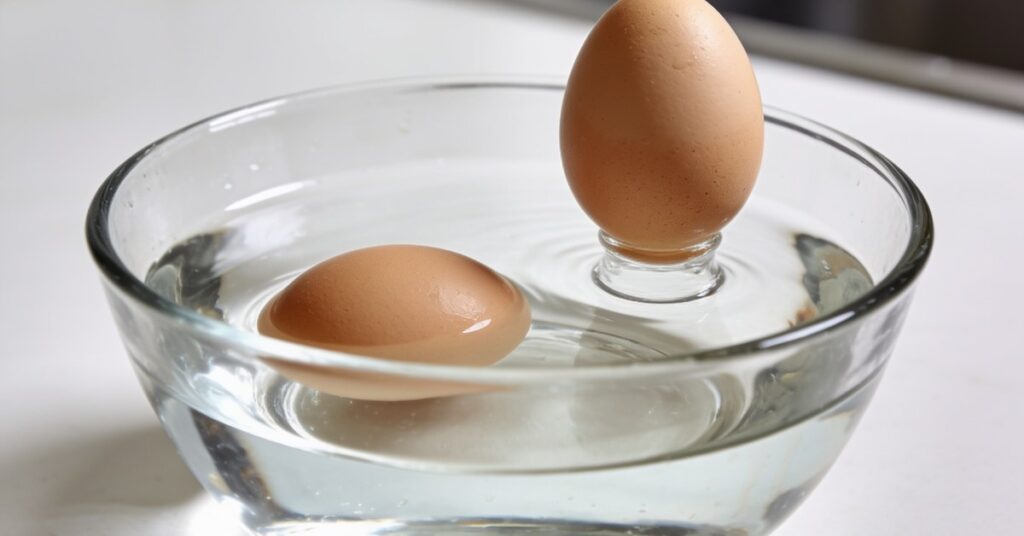
This is a classic method to determine the freshness of an egg by gauging the size of its internal air cell:
- Fill a container, such as a glass or bowl, with approximately four inches of cold water.
- Carefully lower the egg into the water.
- If the egg rests flat on the bottom, it is very fresh and ideal for consumption.
- If the egg stands upright on one end, it is older but generally safe to cook and eat.
- If the egg floats to the surface, it implies there is too much air trapped inside, indicating it has spoiled and should be discarded immediately.
Testing through smell and appearance
Cracking an egg into a clean, separate bowl is the most reliable method for quality control:
- The Sniff Test: A fresh egg should be virtually odourless. If you detect a pungent, rotten, or distinct sulphur smell, the egg is bad and must be thrown away.
- Visual Inspection: Examine the components closely. Avoid any eggs where the white has turned a pinkish or greenish hue, or where the yolk is discoloured or appears to spread out immediately upon cracking.
- Shell Condition: Always inspect the exterior before cracking. If a shell feels slimy or shows patches of visible mould, discard it without hesitation.
Additional methods
Beyond the primary tests, you might consider performing a „candling” check by dimming the lights and shining a small torch against the shell to observe the size of the air pocket inside. While expiry dates on packaging provide a general guideline, they are not always an absolute indicator of safety. Taking a moment to check your eggs using these practical steps ensures that your cooking remains safe and your ingredients are of the highest quality.
The Float Test: How to Tell if Eggs Float and Check Egg Freshness
The float test determines an egg’s freshness by measuring the size of the air pocket inside the shell, which grows as the egg ages and moisture evaporates through the pores. To perform this, fill a glass or bowl with cold tap water and gently drop the egg into it. Many people ask, How do you know if an egg is bad when it looks normal on the outside? This water test is your best ally for detecting internal changes that aren’t visible to the naked eye.
An egg that sinks and lays flat on its side is very fresh, while an egg that sinks but stands upright on one end is older but still safe to consume. Conversely, an egg that floats to the top of the water is old and should be thrown away, as the increased buoyancy indicates a large air pocket that suggests significant degradation of the egg’s internal quality. Understanding this buoyancy shift is a fundamental skill for anyone managing a sensitive gut, as it prevents you from consuming eggs that have lost their peak nutritional integrity.
Visual Inspection: How to Tell if Eggs are Good or Bad
You can identify many signs of spoilage by conducting a thorough visual examination of the eggshell and the internal components before cooking. Visible cracks on the shell are a major red flag, as they indicate a high risk of bacterial entry, while a slimy or slick texture on the surface suggests active bacterial presence or advanced spoilage. Additionally, a white, powdery coating on the exterior is a definitive sign of mould growth and necessitates immediate disposal.
Always crack the egg into a separate small bowl or clean plate before mixing it with other ingredients to ensure you can clearly see the contents. Important: Always inspect the internal appearance to ensure the graft function of your own gut isn’t challenged by unnecessary pathogens. If you are wondering, How do you know if an egg is bad once it is already in the bowl, look for these specific indicators of bacterial contamination:
| Condition | Visual Indicator | Action Required |
|---|---|---|
| Fresh | Thick, clear white; tall, round yolk | Safe to eat |
| Old | Watery, runny white; flat yolk | Safe, use promptly |
| Spoiled | Pink, green, or black discolouration | Discard immediately |
Identifying Spoiled Eggs: How to Tell if Eggs are Still Fresh by Smell
A sharp, foul, or sulfurous smell is the most immediate and undeniable indicator that an egg has gone bad. Fresh eggs should have a mild or neutral odour, and any deviation from this—such as a sour or sewage-like scent—means the egg is spoiled and should be discarded immediately to protect your digestive tract.
Ever wondered if that „off” smell is just your imagination? Trust your gut—literally—and if you encounter an off-putting smell after cracking an egg, do not attempt to use it. After disposing of the spoiled egg, ensure you wash the bowl or plate thoroughly with hot, soapy water to remove any lingering bacteria or odours that could contaminate future meals. Maintaining this level of kitchen hygiene is non-negotiable when you are navigating the complexities of post-transplant health.
Best Practices to Keep Your Eggs Fresh and Manage How Long Eggs Last
In the UK, eggs are marked with a best-before date that is fixed by law at no more than 28 days after the egg was laid, providing a standard baseline for freshness. Understanding these dates is crucial, but they are only one part of the safety equation; proper storage is equally vital for maintaining shelf life and preventing the proliferation of pathogens.
Post-transplant recovery is a journey, and managing your nutrition is a huge step toward getting back to normal life; keep these storage tips in mind to stay on track:
- Store eggs in the refrigerator to maintain protein quality and safety.
- Keep eggs in their original carton to prevent moisture loss.
- Consult your dietitian if you are unsure about specific dietary tolerances.
When you are shopping, always check the pack date if available, as eggs may be safe to eat within 21–30 days after that date, provided they have been kept in a cool, stable environment. My experience has taught me that taking an extra minute to verify storage conditions saves you hours of potential discomfort later, especially when your immunosuppression regimen makes you more susceptible to foodborne issues.
Frequently Asked Questions
Can I use the float test for hard-boiled eggs?
No, the float test is intended only for raw, unboiled eggs. Once an egg has been boiled, the cooking process alters its internal structure and density, making the float method unreliable for determining its freshness.
Is it safe to eat an egg if the shell has a powdery residue?
No, a white, powdery coating on the surface of the shell is a common sign of mould. You should discard the egg immediately, as the mould spores may have already penetrated the porous shell and contaminated the interior.
Do eggs have gone bad faster if they are left out of the fridge?
Yes, eggs stored at room temperature lose freshness significantly faster than those kept in a refrigerator. While refrigerated eggs can last for several weeks, eggs kept at room temperature should be used within one to two weeks to avoid spoilage.
What if my egg looks clear but has a weak, strange smell?
If an egg exhibits any foul, sour, or sulfurous odour, it must be considered spoiled regardless of its visual appearance. Never attempt to eat a bad egg, as the presence of bacteria can trigger severe gastrointestinal symptoms, particularly for those with compromised digestive systems.
Always prioritise the float test as your primary line of defence whenever you are unsure about the freshness of your eggs. Discarding any suspect egg immediately is a simple yet vital step to safeguard your digestive health and keep your recovery journey on the right path.