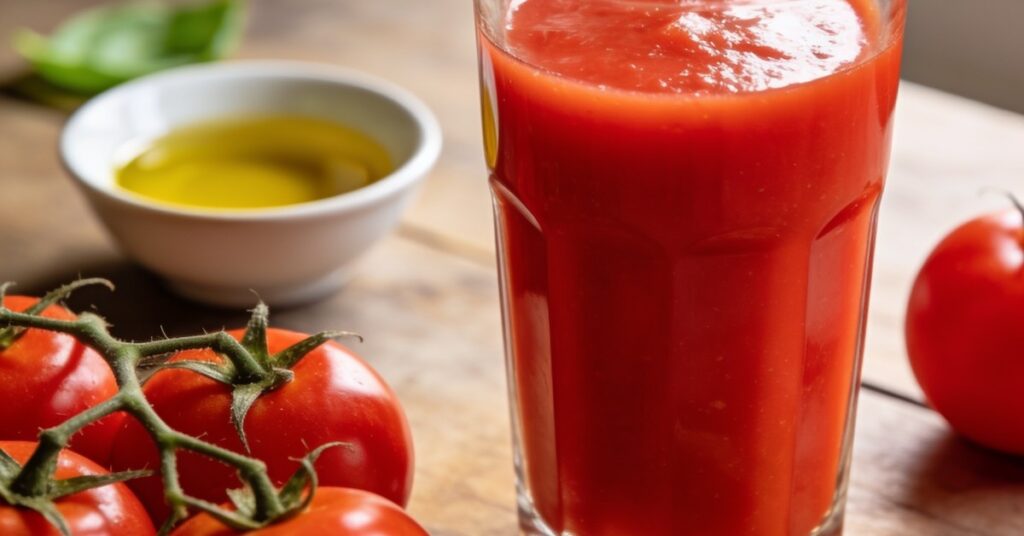
For patients navigating the delicate balance of post-transplant recovery or chronic intestinal conditions, making informed dietary choices is essential for maintaining systemic health and supporting graft function. In this article, you will learn how to evaluate the nutritional benefits of tomato juice against potential digestive risks, ensuring you can safely incorporate this antioxidant-rich drink into your daily management plan. We will guide you through evidence-based practices to help you optimise your intake while avoiding common pitfalls like excessive sodium and acidity. Understanding the role of a nutritious beverage in your recovery can be the difference between a stagnant healing process and one that is actively supported by high-quality, bioactive compounds.
When patients ask, „is drinking tomato juice healthy?”, the answer is a resounding yes, provided you select low-sodium or unsalted varieties that align with your specific medical requirements. While it offers a concentrated source of vital nutrients and antioxidants, its acidity and mineral content necessitate careful consideration for those recovering from intestinal transplantation or managing sensitive gastrointestinal conditions. Navigating the world of nutrition post-transplant is a complex task, and understanding exactly what goes into your glass is the first step toward reclaiming your health and vitality. By focusing on pure tomato juice rather than processed tomato products laden with additives, you can safely harness the power of this plant-based fuel.
Is drinking tomato juice healthy?
The Nutritional Profile of Tomato Juice
Tomato juice is widely regarded as a highly nutritious drink, offering a substantial supply of essential micronutrients. It serves as an excellent source of vitamin C, various B vitamins, and potassium. Furthermore, it is rich in potent antioxidants, most notably lycopene, which provides significant health advantages.
Key Health Advantages
Incorporating this beverage into your diet can offer several physiological benefits, including:
- Cardiovascular Support: The presence of potassium and lycopene may assist in managing blood pressure levels whilst improving the profile of LDL cholesterol.
- Immune System Enhancement: Due to its high concentration of vitamin C, tomato juice helps bolster the immune system and shields cells from oxidative stress.
- Optimised Bioavailability: Consuming tomatoes in juice form, as opposed to raw, often makes it easier for the body to absorb the antioxidant lycopene effectively.
Considerations for Regular Consumption
Whilst tomato juice is a powerful nutritional supplement, there are some factors to bear in mind before making it a daily habit:
- Sodium Content: Commercial varieties frequently contain excessive amounts of added salt, which could negatively impact blood pressure. It is advisable to opt for no-added-salt or low-sodium alternatives.
- Acidity Levels: The natural acidity found in tomatoes can lead to discomfort for certain individuals. Specifically, it may trigger heartburn or exacerbate symptoms for those suffering from gastroesophageal reflux disease (GERD).
Elevating Your Nutrition
Often overlooked as merely a component of a salad, tomato juice serves as an efficient booster for your daily nutritional intake. Whether you are monitoring your salt consumption or seeking a simple way to increase your vitamin levels, choosing the right product is essential to enjoying the full range of health benefits without the drawbacks of excessive sodium.
Nutritional Profile and Antioxidant Benefits of Tomato Juice
Tomato juice is a nutrient-dense beverage that serves as an excellent source of lycopene, potassium, vitamin C, vitamin E, iron, and magnesium, which are essential for long-term health. Regular intake of unsalted tomato juice has been clinically observed to improve serum LDL-C levels, alongside meaningful improvements in both systolic and diastolic blood pressure. By integrating this beverage into a balanced diet, patients may effectively reduce markers of cardiovascular disease, a critical goal for those with complex health histories. If you have ever wondered „is drinking tomato juice healthy” for your heart, the evidence suggests that the synergy of these vitamins provides a robust shield against common post-operative cardiovascular stressors that can arise during long-term recovery. Antioxidants like lycopene are particularly effective at combating oxidative damage, which is a major concern for patients dealing with systemic inflammation.
The evidence supporting these benefits is robust, particularly following research published on 6 June 2019, which investigated the impact of tomato juice on cardiovascular risk markers. A notable 2019 study led by T. Odai specifically focused on local Japanese residents who were identified as being at risk for various cardiovascular conditions. The findings demonstrated that consuming one cup of tomato juice per day could significantly lower systemic risk factors, validating its role as a functional food for heart health maintenance. This nutritious beverage is packed with carotenoids, which are powerful compounds that help neutralise free radicals. Since tomato juice contains a lot of these beneficial nutrients, it is often cited as a superior source of antioxidants compared to other common fruit juices. Recent study data indicates that regular consumption may reduce the levels of oxidative stress markers like 8-oxodG, which are linked to DNA damage caused by chronic diseases.
Managing Sodium Intake and Potential Downsides for Chronic Diseases
Regular commercial tomato juice often contains between 400 mg and 800 mg of sodium per 8-ounce cup, which can be detrimental to patients who need to restrict their salt intake due to hypertension or fluid balance issues. This level of sodium provides 25% to 35% of the recommended daily limit, making it a hidden source of dietary excess that can increase the risk of heart disease. Furthermore, some commercial brands include added sugars, which may negatively influence blood sugar stability and overall gut health. It is often surprising to see how many „healthy” labels on the supermarket shelf hide a significant amount of salt; as someone who has navigated the challenges of transplant nutrition, I cannot stress enough how vital it is to read the fine print before tossing a bottle into your shopping trolley. When you drink tomato juice that is high in sodium, you counteract the beneficial effects of the potassium, which is otherwise excellent for your heart health.
| Juice Type | Sodium Content (per cup) | Health Verdict |
|---|---|---|
| Regular Commercial | 400–800 mg | Avoid (High salt) |
| Unsalted / No-salt-added | ~25 mg | Recommended |
Beyond sodium content, the acidity of tomato juice can present a genuine challenge for individuals suffering from gastrointestinal conditions such as GERD, as it may exacerbate reflux symptoms. Remember: Always verify labels on store-bought sauces and juices, as some products may contain up to 400 milligrams of sodium, which is far too high for those on medically supervised, heart-healthy, or low-sodium transplant diets. If you are prone to heartburn, you might find that even the healthiest, unsalted juice needs to be diluted with water or consumed in smaller quantities alongside a meal to act as a buffer against its natural acidity. Another potential downside is the processing method; some tomato products may lose significant amounts of vitamin C during pasteurisation. Always look for minimally processed options to ensure you are getting the full spectrum of vitamins and minerals.
Weight Management and Nutritious Tomato Juice Benefits
Tomato juice can be an effective tool for weight management because it is low in energy density, containing only approximately 41 calories per cup, while consisting of about 94% water. Clinical data supports the efficacy of this juice in metabolic regulation; a 2-month study involving 30 women demonstrated that daily consumption of 280 ml of tomato juice led to a reduction in body weight, BMI, and waist circumference. Post-transplant recovery is a journey, and managing your nutrition is a huge step toward getting back to normal life. I have found that replacing high-sugar sodas or processed fruit juices with a savoury, nutrient-packed tomato option can be a game-changer for maintaining a stable weight without feeling deprived. Consuming tomato juice provides a sense of fullness, which is a key component of successful long-term weight management strategies.
The metabolic benefits are largely attributed to the specific nutrient density of the juice, which provides 32.5 mg of lycopene per 280 ml serving, alongside essential micronutrients like Vitamin C and potassium. Specifically, 100 grams of unsalted canned tomato juice provides 18 mg of Vitamin C and 229 mg of potassium. By choosing unsalted versions, patients can harness these metabolic advantages without the risk of sodium-induced water retention or electrolyte imbalances. This balance is crucial, especially when your body is working hard to integrate a new organ and maintain systemic harmony in the face of immunosuppression. Since tomato juice is a naturally low-calorie option, it serves as a reliable hydration source that does not compromise your metabolic goals.
Dermatological Health and Cooked Tomatoes
Drinking tomato juice promotes skin and hair health by providing a rich supply of lycopene, vitamin C, and biotin, which are fundamental for tissue maintenance and repair. The presence of vitamins A, B, C, and E helps to nourish hair follicles, while the natural acidic properties of the juice assist in balancing scalp pH and reducing the occurrence of fungal flakes. Additionally, the natural antioxidants found in the juice help to fade dark spots and reduce hyperpigmentation, offering a holistic approach to skin clarity. It is often overlooked, but the skin is the largest organ in our body and frequently reflects the internal health of our digestive system. Dietary lycopene is particularly remarkable because it helps build a natural defence against sun damage when the skin is exposed to UV rays.
The benefits extend to structural resilience and circulation; dietary lycopene helps build a natural defence against sun damage, while vitamin C and lycopene work together to reduce the appearance of fine lines and wrinkles. Furthermore, the complex profile of vitamins and minerals improves blood circulation in the scalp, which can help reduce hair fall. As a natural astringent, tomato juice also serves to tighten pores and balance skin oils, making it a versatile addition to a beauty-conscious health routine. When we are recovering from major surgery, feeling like ourselves again is a significant part of the healing process, and these small nutritional wins can certainly help boost morale. Cooked tomatoes are actually superior to raw tomatoes in this context, as the heat releases more lycopene, making it a more potent tool for your skin’s health.
Best Time to Drink Tomato Juice and Preparation Tips
The most effective way to drink tomato juice for health is to consume it in the morning on an empty stomach or 30 minutes before a meal to assist in stabilising post-meal blood sugar levels. Ever wondered if this simple habit fits into your recovery plan? Timing your intake allows the body to process the nutrients more efficiently, especially when paired with a meal containing healthy fats, such as a dash of olive oil. Lycopene is a fat-soluble compound, meaning it requires dietary fat to be properly absorbed by the gut. These fats are essential for the body to maximise the absorption of lycopene, the primary antioxidant responsible for many of the health benefits discussed. Many patients are surprised to learn that the „why” and „when” of eating can be just as important as the „what” when it comes to nutrient bioavailability.
Post-workout recovery is another ideal time to drink tomato juice, as it helps replace lost electrolytes and supports muscle repair after extensive physical exertion. By integrating this beverage strategically—rather than consuming it sporadically—you can ensure that the potassium and other minerals are used effectively to support your body’s recovery processes. If you are still questioning „is drinking tomato juice healthy” for your specific routine, consider that consistency and moderation are the pillars upon which successful dietary management is built. When you make your own tomato juice at home, you have the advantage of avoiding added salt and preservatives, resulting in a purer, more nutritious drink. Always monitor how your body responds, and keep your transplant team in the loop as you experiment with these healthy additions.
- Consult your transplant dietitian to confirm if tomato juice fits your fluid and potassium limits.
- Always opt for „no-salt-added” labels to keep your daily sodium intake in check.
- Keep a simple food diary to track how your gut reacts after the first few servings.
- Pair with a healthy fat, like avocado or olive oil, to boost antioxidant absorption.
Frequently Asked Questions
Can tomato juice help reduce the risk of prostate cancer?
Research indicates that the high concentration of lycopene in cooked tomatoes may play a role in supporting prostate health and lowering the risk of prostate cancer. While it is not a cure, incorporating these antioxidants into a balanced diet is a proactive step for long-term health, as several studies have shown promising links between lycopene levels and cancer prevention.
Are raw tomatoes as beneficial as tomato juice?
Raw tomatoes are excellent for hydration, but the juicing and cooking process actually increases the bioavailability of lycopene, which is a fat-soluble carotenoid. This makes the juice a highly efficient delivery system for this specific antioxidant, allowing your body to absorb significantly more than it would from raw fruit alone.
How does tomato soup compare to tomato juice?
Tomato soup can be nutritious, but it often contains added thickeners, fats, and higher sodium levels compared to fresh, unsalted juice. Always check the label to ensure it aligns with your specific dietary restrictions, as some canned tomato products may contain hidden sugars or excessive salt.
Can tomato juice interact with transplant medications?
Tomato juice is generally safe, but its potassium content could be a concern if you are taking specific medications that affect potassium levels. Always discuss any dietary additions with your transplant coordinator before making changes, especially since certain types of cancer and heart conditions require strict monitoring of mineral intake.
Selecting high-quality, unsalted tomato juice remains your best strategy for capturing its cardiovascular and metabolic benefits while safeguarding your sensitive digestive system. Always consult your transplant team to ensure this addition is perfectly tailored to your individual recovery needs and fluid management plan.