Maintaining adequate nutrition is a cornerstone of recovery for those managing intestinal failure or post-transplant care, where achieving a sufficient caloric surplus is vital for tissue repair and strength. In this article, you will find evidence-based strategies for selecting and preparing High Calorie Drinks, ensuring you have the practical knowledge to manage your energy intake safely while respecting your digestive limitations. We will guide you through clinical and homemade options, helping you navigate your nutritional journey with both confidence and clarity.
High Calorie Drinks are concentrated nutritional supplements or beverages designed to provide a significant amount of energy, protein, and essential micronutrients in a small volume, making them essential for individuals struggling to meet their requirements through solid food alone. For those recovering from intestinal transplantation or living with digestive sensitivities, these drinks serve as a bridge to prevent malnutrition and muscle wasting. By focusing on nutrient-dense ingredients like healthy fats, complete proteins, and fortified powders, patients can effectively increase their total daily intake without overwhelming a compromised digestive system.
High calorie drinks
Effective Methods for Increasing Calorie and Protein Intake
Consuming high-calorie beverages is an efficient strategy for those seeking to boost their energy levels or facilitate weight gain. Whether through clinical nutritional supplements, mass-gaining powders, or nutrient-dense homemade blends, there are numerous ways to increase your daily intake.
Recommended Commercial Supplements
Various medical and sports-oriented products are formulated to provide significant caloric density per serving:
- Fresubin 2KCal: A clinical nutritional drink available in flavours like Apricot-Peach, offering 400 calories in every 200ml bottle for targeted medical support.
- Ensure Plus: A comprehensive supplement providing approximately 350 calories per bottle, fortified with essential vitamins.
- BOOST Very High Calorie: A potent option delivering 530 nutrient-rich calories and 22g of protein per 8 fl oz serving.
- Optimum Nutrition Serious Mass: A performance-focused powder that, when combined with water or milk, supplies 1,250 calories and 50g of protein.
Homemade Fortified Options
If you prefer a natural approach, preparing your own smoothies and fortified drinks is a simple and cost-effective solution:
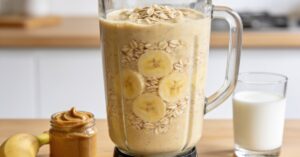
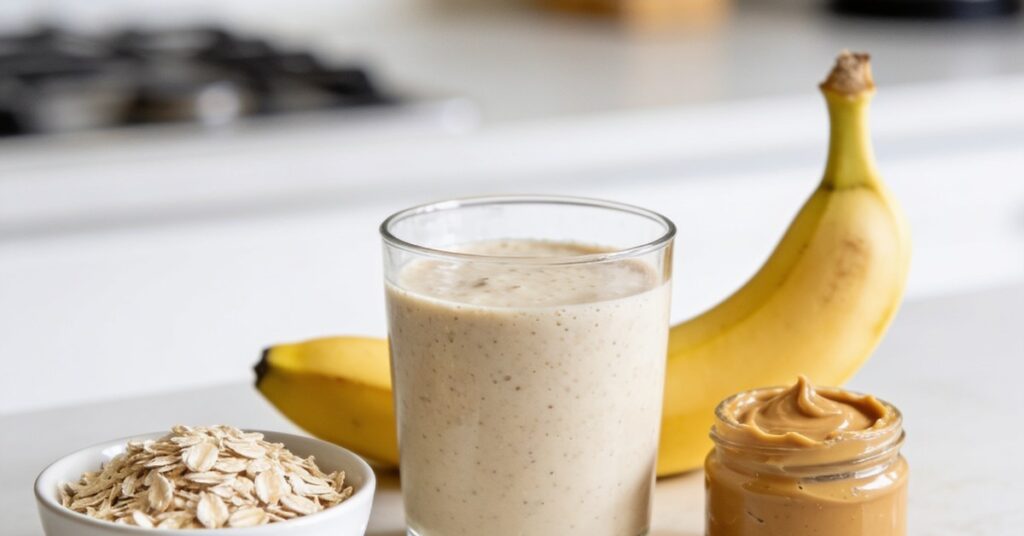
- Bulking Smoothie: Blend whole milk with a banana, two tablespoons of peanut butter, oats, and Greek yoghurt to create a shake ranging from 800 to 1,000 calories.
- Fortified Milk: Increase the nutritional profile of your tea or coffee by using full-cream milk mixed with skimmed milk powder.
- Custom Additions: Consider adding sugar, syrups, cocoa powder, or nut butters to your standard hot drinks to enhance their caloric value.
- Retail Alternatives: Various dairy-free iced coffees or chocolate-based oat drinks can also contribute to your daily totals.
Professional Guidance
For individuals who require specific nutritional support, consulting with a doctor, general practitioner, or dietitian is recommended. They may be able to provide a prescription for specialised high-calorie medical foods. Remember that weight gain is a process that requires consistency, and choosing the right method depends on your personal health goals and lifestyle.
Clinical Options for High Calorie Nutritional Drink Supplements
Clinical-grade nutritional drinks are specifically formulated to provide reliable, measurable calories for patients whose digestive tracts require precise management. Ever wondered if these fit into your recovery plan? These ready-to-drink supplements offer a consistent profile of vitamins and minerals, which is crucial for those who may have absorption issues or a reduced appetite due to medical treatments.
| Product Name | Caloric Density | Best For |
|---|---|---|
| Fresubin Thickened | ~1.5 kcal/ml | Dysphagia (Level 2 & 3) |
| Ensure Plus/Fortisip | ~300 kcal per 200ml | General recovery/Weight maintenance |
| Slõ Milkshakes+ | Up to 398 kcal | High-protein dysphagia support |
| Boost Very High Calorie | 530 kcal per 8oz | Appetite loss / Severe weight loss |
Managing Dysphagia and High Protein Milkshake-Style Drinks
Patients experiencing difficulty swallowing, or dysphagia, can safely consume High Calorie Drinks by following the IDDSI framework, which categorises liquids by thickness to prevent aspiration. Using pre-thickened clinical supplements ensures you aren’t guessing the consistency, which is a massive relief when you’re just trying to get your calories in without the stress of potential choking hazards or aspiration pneumonia.
Nutritional Supplement Drink Options for Reduced Appetite
Ready-made liquid food supplements are the most effective way to combat poor appetite, as they are available in a variety of palatable flavours like chocolate, vanilla, strawberry, and banana to encourage regular consumption. If you are dealing with nausea, Fortijuice provides a refreshing, dairy-free alternative that is often much easier to stomach than heavy, milk-based shakes, providing a lifeline when even the thought of solid food feels overwhelming.
Strategies for Fortifying Protein Shake and Milk Recipes
You can significantly increase the caloric density of your drinks without relying on simple sugars by incorporating healthy fats and concentrated protein powders, which support sustained energy release and tissue repair. This approach is particularly beneficial for transplant patients who must carefully monitor their glucose levels to avoid metabolic complications.
Remember: Always consult your transplant dietitian before introducing new fats or powders to ensure they don’t interfere with your immunosuppression medications or current absorption capacity.
- Add 1–2 tablespoons of smooth nut butter (Peanut, Almond, or Cashew).
- Stir in one scoop of whey, casein, or plant-based protein powder.
- Add a tablespoon of coconut or MCT oil for a quick energy boost.
- Use whole milk instead of water in all your recipes.
- Stir in skimmed milk powder to boost protein and calorie count simultaneously.
Homemade Nutritional Blend and Weight Gain Meal Replacement
Homemade high-calorie protein shakes allow you to control every ingredient, ensuring that your nutritional intake is free from additives that might trigger digestive distress. Post-transplant recovery is a journey, and managing your nutrition is a huge step toward getting back to normal life, so don’t be afraid to experiment with flavours that make this daily task less of a chore.
- Blend your base liquid (e.g., 360ml whole milk) with your protein source.
- Grind oats into a fine powder first to ensure the final texture is smooth and easy to swallow.
- Add your healthy fat source (nut butter or oil) and fruit.
- Pulse until completely smooth to avoid any lumps that could irritate a sensitive gut.
- Pour into a chilled glass and consume slowly to monitor your digestive response.
Navigating the Risks of Fizzy Drinks and High Sugar Content
High Calorie Drinks that rely on excessive added sugars are generally discouraged for long-term health, as they are linked to a 26% greater risk of developing type 2 diabetes and can lead to insulin resistance. While you may need extra calories for recovery, it is vital to distinguish between nutrient-dense supplements and sugary, empty-calorie beverages that provide no digestive benefit.
Sugary drinks are the primary source of added sugars in many modern diets and can cause significant damage to tooth enamel. While the NHS recommends a total daily fluid intake of 6 to 8 glasses, these should ideally come from water, milk, or nutritionally balanced supplements rather than fizzy, sugar-laden drinks.
Insights for Athletes and Muscle Recovery Nutrition
High-performance weight gainers are designed for athletes to facilitate rapid recovery, though they must be used with caution by patients who have undergone intestinal procedures. These products are formulated for high-intensity metabolic demands and often feature specific carbohydrate-to-protein ratios.
Optimum Nutrition Serious Mass is a heavy-duty option providing 1,250 calories per serving, while Myprotein Impact Weight Gainer offers a more moderate 388 calories. Science in Sport REGO Rapid Recovery is another reputable choice for those who need a quick, reliable protein fix without the massive volume of a full mass-gainer. Important: If you are considering these, start with half a serving to see how your graft function and digestive system handle the high concentration of nutrients.
Frequently Asked Questions
Can I use non-dairy milk bases for my high calorie shakes?
Yes, you can use soy, almond, or oat milk as a base, although you may need to add extra protein powder or nut butter to match the caloric density of whole cow’s milk. Ensure the chosen milk is fortified with calcium and vitamin B12 if you are avoiding dairy long-term.
How do I know if a nutritional drink is nutritionally complete?
A nutritionally complete drink will clearly state on the label that it contains a balanced ratio of carbohydrates, proteins, fats, and a full spectrum of vitamins and minerals. These products are designed to replace a meal entirely rather than just providing a quick calorie boost.
Is it safe to add extra magnesium or chromium to my shakes?
It is not recommended to add extra supplements to your shakes without explicit approval from your transplant team, as excessive levels can interact with your immunosuppressive medication. Always check the micronutrient profile of your supplement first to see if it already meets your daily requirements.
What should I do if my drink causes bloating or discomfort?
If you experience bloating, try switching to a lactose-free or plant-based protein source and ensure your drink is sipped slowly rather than consumed all at once. If symptoms persist, consult your dietitian to see if you need a different formulation with lower sugar or different fibre content.
Carefully tailoring your intake to match the unique requirements of your digestive anatomy is the most effective way to ensure consistent recovery. Always verify that each addition to your liquid diet is approved by your medical team to safely sustain your progress.