Integrating nutrient-dense foods like Bone Marrow into a post-transplant or digestive-recovery diet requires a careful balance between caloric density and individual gastrointestinal tolerance. This article provides a clinical and evidence-based overview of the nutritional profile of Bone Marrow, helping you understand how to safely prepare it and determine whether it aligns with your specific metabolic needs. By following these professional guidelines, you can make informed decisions that support your recovery while navigating the complexities of intestinal health.
Bone marrow is a highly calorie-dense, lipid-rich food that serves as a concentrated source of essential fatty acids and specific micronutrients, though it must be approached with caution by anyone managing digestive failure or transplant recovery. While it offers unique structural support through collagen and amino acids, its extreme fat content means it is not suitable for everyone, particularly those requiring low-fat dietary interventions. Ever wondered if this rich, ancient Bone Marrow food actually fits into your modern recovery plan?
Bone marrow food
The Nutritional Profile and Culinary Appeal of Bone Marrow
Found sequestered within the internal cavities of animal bones, bone marrow is a luxurious, highly nutritious fatty tissue. Renowned for its opulent, buttery profile, it serves as a superb source of collagen, essential vitamins, and wholesome fats. Gastronomes frequently refer to roasted bone marrow as the „nectar of the gods,” given its decadent quality that mirrors the richness of high-end butter.
Varieties and Preparation Styles
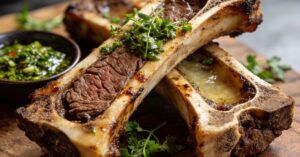
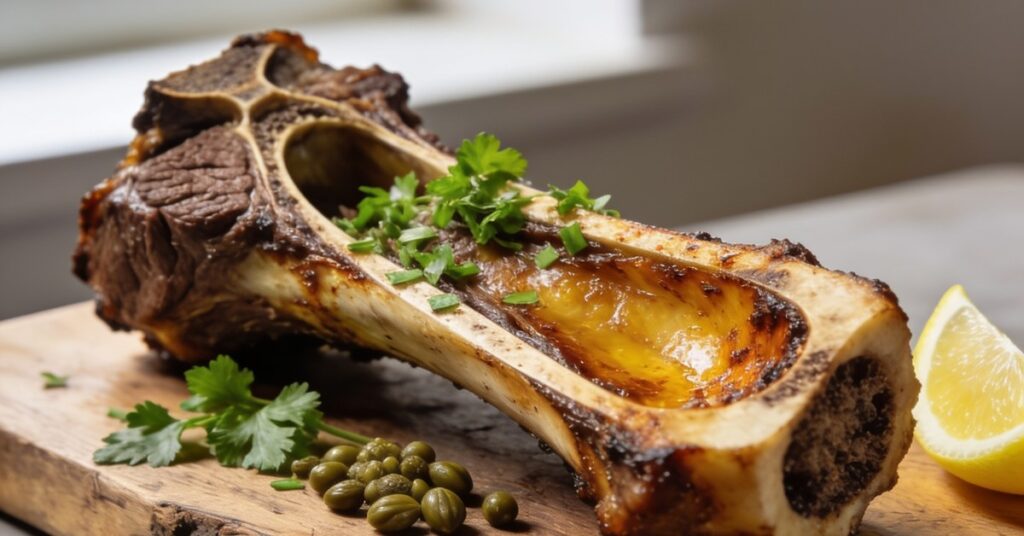
Bone marrow is categorised primarily into two types: red and yellow. When prepared for consumption, it is often served as „canoes”—long bones bisected lengthwise to expose the marrow. Whether incorporated into hearty broths or served as a standalone delicacy, it is praised for being an affordable yet sophisticated ingredient that cooks remarkably quickly.
Recommended Culinary Techniques
- Roasted Marrow Bones: Arrange split beef bones in an oven preheated to 200°C–220°C. Season with sea salt and garlic, then roast for 15 to 20 minutes until the marrow reaches a soft, molten consistency.
- Nutrient-Rich Broths: Gently simmer bones over an extended period to extract minerals, collagen, and deep flavour for stocks or soup bases.
- Sauce Enrichment: Whisk melted marrow into risottos, gravies, or pan-deglazing liquids to impart a velvety depth and richness.
Serving Suggestions and Pairing Tips
To balance the intense natural richness of the marrow, it is essential to include contrasting elements. Consider these serving strategies:
- Textural Contrast: Always serve warm marrow atop freshly toasted sourdough or crunchy slices of baguette to provide a necessary crispness.
- Acidic Accoutrements: Mitigate the fatty mouthfeel by pairing the marrow with a piquant salad of fresh parsley, capers, and shallots, or serve alongside sharp pickled red onions.
- Final Seasoning: Sprinkle with a dash of coarse sea salt or complement with a zesty chimichurri sauce immediately prior to serving to elevate the flavour profile.
Cooking Insights
For optimal results, ensure the marrow bubbles gently in the oven without becoming entirely liquified. Slow, patient cooking is frequently the preferred method for extracting the maximum nutritional density from the bones. As a versatile component in fine dining, this ingredient remains a favourite for those seeking an indulgent yet traditional culinary experience.
The Nutritional Profile and Health Benefits of Bone Marrow
Bone marrow is a potent source of metabolic fuel and bioactive compounds that may assist in systemic inflammation management. Each 14-gram tablespoon provides 110 calories, 12 grams of fat, and 1 gram of protein, which makes it an efficient, albeit heavy, energy source for those needing to maintain weight.
| Nutrient | Amount per 14g serving |
|---|---|
| Calories | 110 kcal |
| Total Fat | 12g |
| Vitamin B12 | 7% RDI |
| Riboflavin | 6% RDI |
Key Micro-Nutrients and Health Benefits of Bone Marrow
Beyond its caloric load, this Bone Marrow food provides essential elements for energy metabolism. It contains glucosamine, chondroitin, and collagen, which are building blocks for cartilage health. The presence of adiponectin helps assist in fat breakdown and the maintenance of insulin sensitivity, while glycine and conjugated linoleic acid (CLA) serve as anti-inflammatory agents.
Navigating Fat Content and Beef Bone Marrow Nutrition
Bone marrow is exceptionally high in cholesterol and fat, containing roughly 88 grams of fat and 300 milligrams of cholesterol per 100-gram serving. For patients recovering from intestinal transplantation, this high lipid density can often prove difficult to digest, potentially triggering gastrointestinal distress or malabsorption issues.
Important: Because a 100-gram portion provides over 800 calories and includes stearic acid—a specific type of saturated fat—it is generally ill-advised for individuals managing hyperlipidaemia or heart disease. In my experience, post-transplant recovery is a marathon, not a sprint, and managing your nutrition is a huge step toward getting back to normal life; just be sure your gut is ready for the work.
Practical Steps to Prepare Bone Marrow
The only safe way to consume the Bone Marrow food discussed here is to ensure it is thoroughly roasted, as raw consumption poses a significant risk of pathogen exposure to immunocompromised patients. Follow these steps to ensure you prepare it safely in your own kitchen:
- Request „canoe-cut” or „rounds” Beef femur bones from your butcher.
- Soak bones in salted ice water in the refrigerator for 12 to 24 hours to remove impurities.
- Arrange bones marrow-side up on a foil-lined sheet.
- Roast at 450°F (230°C) for a cooking time of 15 to 25 minutes until soft and bubbling.
- Serve with a fresh parsley and lemon salad to help cut the richness.
Safety Considerations for This Nutrient Source
Bone marrow is not suitable for every patient, and intake must be carefully tailored to your individual medical status and digestive capacity. If you are considering adding this to your diet, use this checklist to stay on track:
- Consult your transplant dietitian before making changes.
- Monitor your daily calorie target closely.
- Keep a food diary to track any digestive symptoms.
- Never consume marrow raw; ensure it is fully cooked.
Frequently Asked Questions
Is it safe to consume Bone Marrow if I have a history of fat malabsorption?
No, it is generally not recommended as the extremely high fat content can exacerbate malabsorption issues and lead to significant digestive discomfort. You should discuss any high-fat additions to your diet with your clinical nutrition team before proceeding.
Can I use Bone Marrow as a primary source of protein in my meals?
No, Bone Marrow is primarily a lipid source, providing only about 1 gram of protein per tablespoon. It should be viewed as an energy-dense condiment rather than a viable protein foundation for your recovery diet.
Are there specific Beef bone types that are better for roasting?
Yes, femur bones are the preferred source because they contain the highest concentration of marrow. You should specifically request „canoe-cut” bones from your butcher to ensure the marrow is easily accessible for roasting and serving.
How long can I store roasted Bone Marrow in the refrigerator?
Roasted marrow should ideally be consumed fresh; however, if you must store it, keep it in an airtight container for no longer than two days. Always ensure it is reheated thoroughly to a safe temperature before consumption to maintain food safety standards.
Always prioritise professional clinical guidance over dietary trends to ensure your nutritional choices support your unique recovery needs. Thoroughly roasting this ingredient is the most critical step to maintain safety and protect your digestive health throughout your journey.