For patients managing intestinal health or recovering from a transplant, navigating the nutritional landscape requires a careful balance between seeking dense micronutrients and ensuring digestive safety. This article provides an evidence-based overview of the potential benefits of pumpkin seeds, detailing how their magnesium, zinc, and protein content may support your recovery while highlighting essential safety precautions concerning your unique gastrointestinal needs. You will learn to weigh the nutritional advantages of these seeds against common digestive risks, helping you make informed decisions about whether to incorporate them into your daily recovery plan. Understanding what is pumpkin seed good for is a vital step in reclaiming your dietary autonomy after major surgery.
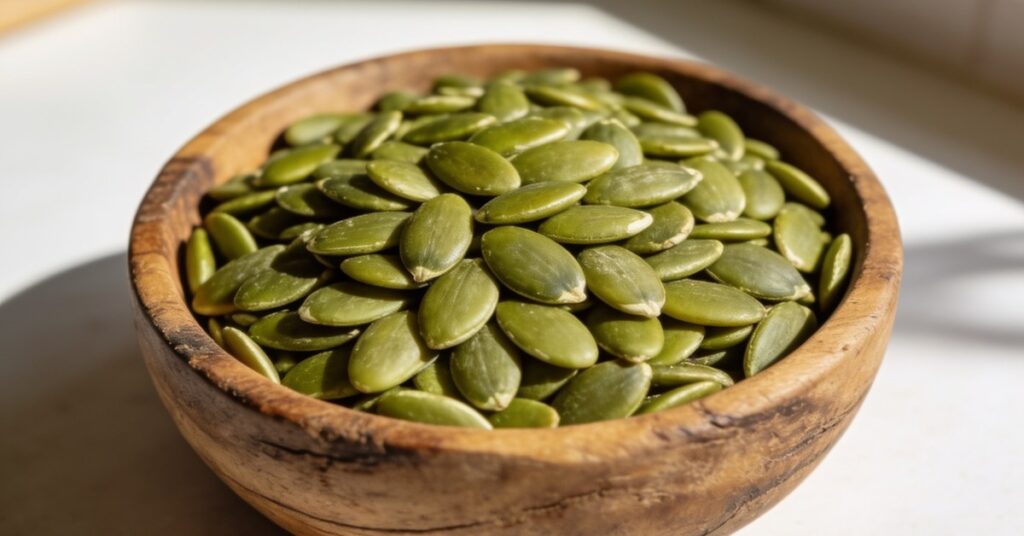
At their core, these edible seeds from pumpkins are nutrient-dense powerhouses that provide high-quality plant protein, essential minerals like magnesium and iron, and specific fatty acids that contribute to metabolic and systemic health. When you ask yourself what is pumpkin seed good for, the answer lies in their ability to bridge nutritional gaps, particularly for those whose digestive systems may struggle to process more complex or less nutrient-dense food sources. Ever wondered if this fits into your recovery plan? Whether you are looking to boost your daily protein intake or increase your intake of heart-healthy minerals, these seeds offer a concentrated nutritional profile that is both versatile and easy to integrate into a balanced diet. Pumpkin seeds are highly nutritious, and learning exactly what is pumpkin seed good for requires looking beyond the hype to see how their unique composition impacts your specific biological needs during the post-operative period.
Nutritional Value and Core Health Benefits of Pumpkin Seeds
Pumpkin seeds are a significant nutritional asset because they deliver 9 grams of protein, 14% of the daily value of iron, and 20% of the daily value of magnesium in every standard serving. For individuals recovering from intestinal procedures or managing chronic digestive conditions, these nutrients are vital for cellular repair, oxygen transport, and the maintenance of enzymatic functions that are often depleted during periods of illness or malabsorption. A serving of pumpkin seeds acts as a natural source of vital vitamins and minerals that are often difficult to obtain through a restricted post-transplant diet.
| Nutrient | Amount per Serving | Role in Recovery |
|---|---|---|
| Protein | 9g | Tissue repair & muscle maintenance |
| Magnesium | 20% DV | Nervous system & metabolic support |
| Iron | 14% DV | Oxygen transport & fatigue reduction |
Essential Nutrient Density and Managing Blood Sugar
The high protein density of these seeds assists in tissue maintenance, which is a priority for patients recovering from surgery or those dealing with muscle wasting associated with gastrointestinal failure. Magnesium acts as a critical cofactor for hundreds of biochemical reactions, including the regulation of blood sugar levels and the stabilisation of cell membranes, providing a foundational benefit that supports overall metabolic resilience. Furthermore, the unsaturated fats found in pumpkin seeds provide a sustained energy release, which is crucial for preventing the rapid fluctuations in blood sugar that can occur in patients with compromised gut function. By ensuring a consistent intake of these minerals, you provide your body with the raw materials needed to maintain graft function and support systemic healing. Research has also indicated that the antioxidants in pumpkin seeds help neutralise oxidative stress, which is a common byproduct of long-term immunosuppression.
Incorporating Pumpkin and Pumpkin Seeds Into Your Diet
Pumpkin seeds support digestive regularity and satiety through a combination of 7g of protein and 1.8g of fiber, which represents approximately 6% of the recommended daily intake. Because these seeds are calorie-dense, they are particularly effective for patients who need to maintain or regain weight, though they must be consumed in controlled portions to ensure they do not overwhelm a sensitive gut. Adding pumpkin seeds to your diet can be done by blending them into smoothies or sprinkling them over soft, cooked vegetables. If your goal is to understand what is pumpkin seed good for regarding weight management, consider them a tool for controlled caloric supplementation rather than a bulk food source. Pumpkin seeds are packed with essential nutrients, and snacking on pumpkin seeds in small, measured quantities can help you reach your daily goals without causing discomfort.
Prostate Health and the Antioxidant Properties of Pumpkin
Pumpkin seeds contribute to prostate health by providing a unique combination of phytosterols, zinc, and omega-3 fatty acids, which work together to modulate hormonal and inflammatory pathways. These compounds act as a natural antioxidant source, which is of particular interest to clinicians and patients alike because they offer a non-invasive, dietary approach to managing common urological discomforts often exacerbated by aging or hormonal shifts. Many patients find that incorporating pumpkin into their weekly meal plan provides a consistent supply of these protective compounds. Studies have shown that pumpkin seed oil may inhibit the growth of breast and prostate cancer cells, highlighting the potential health benefits of regular consumption.
Evidence for BPH Symptom Management
Regular consumption of pumpkin seeds can help alleviate symptoms of benign prostatic hyperplasia (BPH), such as weak urine flow and nocturia, as demonstrated by clinical studies showing a relevant reduction in the International Prostate Symptom Score (IPSS) after 12 months of treatment. The seeds promote higher zinc levels in prostatic fluids, while their ability to potentially block the conversion of testosterone into dihydrotestosterone (DHT) helps address the underlying hormonal drivers of prostate enlargement. Furthermore, the oil derived from these seeds contains diuretic properties that can assist in relieving bladder discomfort, providing a multi-faceted approach to urological well-being. It is fascinating to see how a simple dietary addition can have such a measurable impact on long-term symptom scores, yet patients should always treat these findings as supplementary to their primary urological care plan. Pumpkin seeds also contain compounds that may reduce the risk of breast cancer in certain populations, further demonstrating the systemic power of this small seed.
Psychological Wellness and Heart Health Benefits
Pumpkin seeds act as a natural aid for sleep and mood improvement by supplying a rich source of tryptophan and magnesium, which are precursors to essential neurotransmitters. A single serving of pumpkin seeds provides 0.16 g of tryptophan—the amino acid responsible for serotonin and melatonin synthesis—alongside 37% of the daily recommended intake of magnesium, which is excellent for heart health. Pumpkin seeds before bed may help improve sleep quality, as they serve as a natural source of tryptophan that the brain can easily convert into melatonin. This is particularly important for transplant patients who often deal with sleep disturbances due to medication or hospital-related stress.
Mechanisms of Tryptophan and Magnesium
The synergy between zinc and tryptophan is critical, as zinc assists in the efficient conversion of this amino acid into melatonin, the hormone that regulates your sleep-wake cycle. Magnesium further facilitates deep, restorative sleep by relaxing muscular tension and calming the nervous system, while the presence of zinc serves an additional protective role by shielding brain cells from oxidative stress. When these nutrients work in tandem, they help maintain stable serotonin levels, which is vital for lowering stress and preventing mood disturbances, especially in patients navigating the emotional complexities of long-term health management. In my experience, patients who struggle with sleep quality often find that small, consistent dietary adjustments—like adding a handful of these seeds as an evening snack—can help stabilise their circadian rhythm during the difficult recovery phase. Pumpkin seeds also support heart health by helping to manage cholesterol levels through their rich content of healthy fats.
Safety Guidelines When You Use Pumpkin Seeds
Safe consumption of pumpkin seeds is best achieved by adhering to a recommended daily dosage of 30 grams, or one ounce, which aligns with the amounts used in most human studies ranging from 5 to 65 grams per day. Post-transplant recovery is a journey, and managing your nutrition is a huge step toward getting back to normal life, so taking it slow is the smartest move you can make. When you decide to use pumpkin seeds, always consider the preparation method; choosing roasted seeds without added salt can prevent unnecessary sodium intake, which is often restricted in transplant patients to manage blood pressure.
- Ensure the product is compatible with your specific dietary needs.
- Always consult your transplant team before making major diet changes.
- Start with a small, ground portion to check for digestive tolerance.
- Stay hydrated throughout the day to support fiber digestion.
- Avoid excessive seasoning or added sugar when preparing seeds at home.
Navigating Potential Side Effects and Interactions
While nutrient-dense, pumpkin seeds can cause digestive side effects such as bloating, gas, constipation, stomach pain, diarrhoea, and nausea if consumed in excess or if the gut is not yet ready for high-fibre, high-fat foods. Furthermore, those taking medications for hypertension should be aware that the seeds might interact with their treatment, potentially lowering blood pressure to an unsafe level. Always monitor for signs of an allergic reaction, such as itching or rash, and consult your transplant team before making significant changes to your diet, especially if you are on complex medication regimens involving immunosuppression. Pumpkin seeds may also interfere with certain diuretics, so keep your medical team updated on your intake. It is also worth noting that while sunflower seeds are a popular alternative, they have a different nutritional profile, so they may not offer the exact same benefits as pumpkin seeds.
Frequently Asked Questions
Can pumpkin seeds interact with immunosuppressive medications?
While there is no direct evidence of a major interaction, the high magnesium and mineral content could theoretically affect the absorption of certain drugs. Always check with your transplant pharmacist or consultant before adding concentrated seed supplements to your routine.
Are roast or raw pumpkin seeds better for a sensitive gut?
Roasted seeds are often easier to digest as the heat treatment can break down some of the complex starches that cause gas. However, ensure they are not seasoned with excessive salt or spices, which can irritate a sensitive gastrointestinal tract.
How can I verify the quality of pumpkin seeds?
Look for organic, pesticide-free, and unsalted options to avoid unnecessary additives. Buying from reputable health food retailers ensures that the seeds have been stored correctly and are less likely to be rancid due to their high oil content.
Can children or elderly transplant patients eat pumpkin seeds?
Children and elderly patients should only consume seeds in a finely ground or powdered form to prevent choking risks and to assist with easier digestion. You must ensure the patient has no history of seed allergies before introducing them to the diet.
Integrating these seeds into your routine requires a cautious, patient-led approach; always prioritise small, finely ground portions to maximise nutrient absorption while minimising the risk of digestive strain. Remember that your transplant team is your best resource for ensuring these additions align safely with your unique recovery journey.