Navigating nutritional choices after an intestinal transplant requires a careful balance between meeting high protein needs and respecting the functional limitations of a recovering digestive tract. This article provides an evidence-based breakdown of Chicken Wing Nutrition, helping you decide which preparation methods are safe and how to adjust your intake to avoid digestive distress. By understanding these nutritional facts, you can confidently integrate this versatile protein into your recovery diet while prioritising your long-term intestinal health.
Chicken wings are a nutrient-dense protein source that, when prepared simply, provide an excellent balance of essential amino acids, iron, and zinc without adding complex carbohydrates that may irritate a sensitive gut. For individuals managing intestinal health, the key to incorporating wings lies in selecting cooking methods that limit excessive fat and avoiding sugary or heavy store-bought sauces.
Chicken wing nutrition
Basic Nutritional Profile of Roasted Wings
A solitary, plain roasted chicken wing, including skin but excluding the bone, typically provides between 85 and 95 calories. It offers approximately 8g of protein and 6g of fat, while remaining completely free of carbohydrates. Micronutrients found in these wings include significant levels of niacin, selenium, vitamin B6, and phosphorus.
Variations in Calorie and Macronutrient Content
Nutritional values can fluctuate based on specific preparation methods and portion measurements. Generally, a single roasted wing equates to roughly 84 to 86 calories. When examining a 50g serving of a cooked wing with the skin on, the energy content usually sits around 96 calories. Some analyses indicate that a 100g portion (roughly equivalent to a palm-sized serving) delivers about 13g of protein, 8g of fat, and 127 calories, featuring no sugar, salt, or fibre.
Impact of Preparation Methods
Cooking techniques significantly alter the nutritional density of wings:
- Deep-Fried: This method typically increases fat absorption. A plain, deep-fried wing contains approximately 105 to 115 calories and between 7g and 9g of fat.
- Floured and Fried: When wings are floured before frying, the energy content rises to approximately 103 calories per wing, with a macronutrient profile comprising about 3% carbohydrates.
- Sauced Wings: The application of BBQ, Buffalo, or other sweet and buttery glazes adds an extra 10 to 50 calories and 3g to 10g of carbohydrates per wing, depending on the glaze thickness and sugar content.
Considerations for Large Portions
Whilst a single wing may seem modest, total consumption can escalate rapidly. Ten average deep-fried, sauce-coated chicken wings can contribute between 1,150 and 1,600 calories and well over 60g of fat to your daily intake. If choosing a boneless, skinless portion, nutritional values differ significantly, providing roughly 203 calories and 30.5g of protein per 3.5 ounces (approx. 100g).
Macronutrient Breakdown and Chicken Wing Nutrition Facts per 100g
The nutritional profile of a chicken wing is primarily defined by its high protein content and variable fat levels, which change significantly based on whether the skin is consumed. Ever wondered if this fits into your recovery plan? The table below helps clarify the impact of your choices regarding Chicken Wing Nutrition:
| Preparation Method | Calories (per 100g) | Protein (g) | Fat (g) |
|---|---|---|---|
| Roasted, skinless | 203 | 30.5 | 8.1 |
| Roasted, with skin | 288 | 26.6 | 19.3 |
| Fried, breaded | 310 | N/A | 10-14 (Carbs) |
Understanding that a whole cooked wing typically contains 6–8 grams of protein allows you to accurately track your intake against daily requirements. Post-transplant recovery is a journey, and managing your nutrition is a huge step toward getting back to normal life; just keep an eye on your serving size and total caloric density.
Cooking Methods and Nutritional Information for Sensitive Diets
The method used to cook chicken wings directly impacts their digestibility and nutritional retention, with baking and roasting being far superior to deep-frying for digestive health. Choosing dry-heat methods not only reduces the total fat load but also helps avoid the gastrointestinal burden caused by excessive cooking oils.
- Pat the wings dry to ensure even cooking without extra oils.
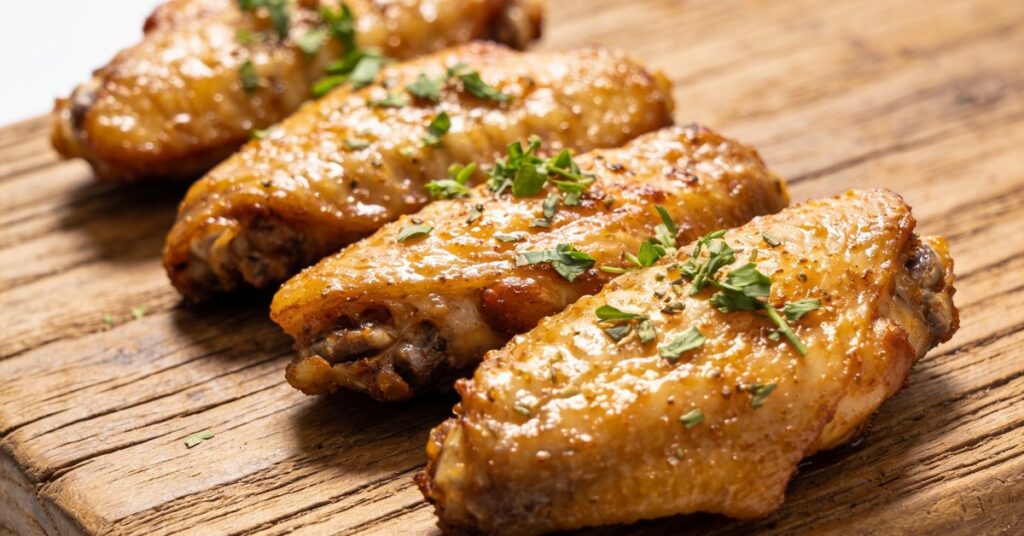
- Season with simple herbs rather than heavy, high-sugar glazes.
- Place wings on a wire rack over a baking tray to allow excess fat to render away.
- Monitor internal temperature to ensure the meat is cooked through without becoming overly dry.
Optimising Nutrient Retention and Alternative Preparation
Advanced cooking techniques such as pressure cooking and sous vide can lead to a 32.25% to 35.83% decrease in nutritional quality, while also reducing essential amino acid content by up to 76%. Microwave cooking is similarly discouraged for those needing maximum nutrient density, as it often results in significant moisture loss. To preserve the vitamins and minerals like calcium and phosphorus present in the meat, conventional roasting remains the most effective and gut-friendly approach.
Navigating Sauce and Carbs Impact on Digestive Food Health
Plain, traditional wings contain zero carbs, meaning the potential for digestive irritation almost always comes from the coatings and dressings applied after cooking. While buffalo or hot pepper sauces are generally safe, sugary glazes can introduce 8–15g or more of carbs, which may trigger rapid transit in compromised intestines. Mastering Chicken Wing Nutrition means rejecting pre-packaged, high-sugar coatings in favour of homemade, gut-safe alternatives.
Important: Always check the labels on commercial sauces for hidden sugars or high sodium content, as these can easily derail your digestive comfort and fluid balance.
- Consult your transplant dietitian before introducing new sauces.
- Keep a food diary to track how your gut responds to specific seasonings.
- Prioritise vinegar-based or dry-rub seasonings over thick, sugary BBQ glazes.
- Stay hydrated throughout the day to support overall digestion.
Frequently Asked Questions
Does the cholesterol content in chicken wings pose a risk to transplant patients?
While chicken wings do contain cholesterol, the primary concern for transplant patients is usually total fat intake and the quality of oils used in cooking. Consult your clinical team to determine how much dietary cholesterol fits into your specific long-term immunosuppression and cardiovascular management plan.
Can I substitute chicken breast for wings to lower the fat intake?
Yes, swapping wings for skinless chicken breast is a highly effective way to reduce overall fat intake while maintaining a high protein intake. Breast meat is much leaner and typically easier for a recovering digestive system to process compared to the higher fat content found in wing skin.
Why do breaded wings cause more digestive discomfort than grilled wings?
Breaded wings contain refined carbohydrates and often absorb significant amounts of oil during the frying process, which can lead to bloating or osmotic stress. Grilled or roasted wings avoid these added sugars and excess lipids, making them a much gentler option for your intestinal graft.
How does the serving size of wings affect my daily nutrient intake?
Managing your serving size is crucial because the calorie and fat load can accumulate rapidly with every additional unit consumed. Stick to smaller, measured portions to ensure you meet your protein goals without overwhelming your digestive capacity during a single meal.
Selecting roasted, skinless cuts prepared without heavy oils or sauces remains the most reliable strategy for maintaining digestive stability. Prioritising these simple cooking methods allows you to meet your protein targets while keeping your intestinal graft happy and stress-free.