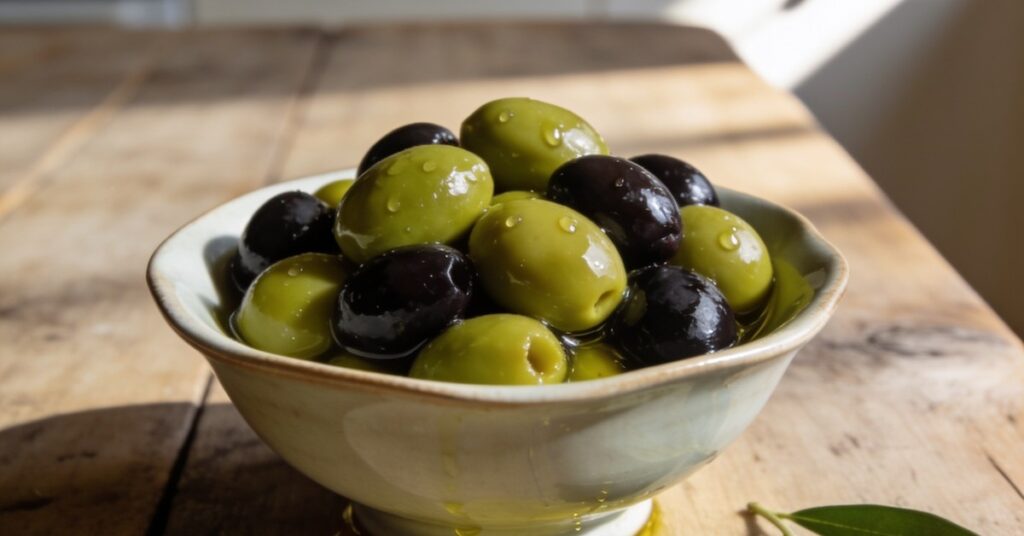
For those navigating intestinal recovery or post-transplant life, identifying nutrient-dense, gut-friendly foods is essential for maintaining both long-term health and daily digestive comfort. In this article, you will learn how to safely incorporate olives into your diet, understanding both their potent anti-inflammatory benefits and the necessary precautions regarding sodium and portion control. By following these evidence-based guidelines, you can confidently determine how this versatile fruit fits into your specific nutritional and recovery requirements.
The primary benefits of eating olives daily stem from the provision of heart-healthy monounsaturated fats, specifically oleic acid, which helps manage cholesterol levels and supports systemic inflammation reduction. For individuals focusing on intestinal health, these small fruits offer a concentrated source of polyphenols and fibre that can aid in satiety and gut microbiome diversity when consumed in moderation. By integrating 5 to 10 medium olives into your daily routine, you provide your body with essential micronutrients like vitamin E, iron, and copper, which are vital for maintaining cellular integrity during recovery. It is a simple, effective change that, when managed correctly, supports the complex metabolic needs of a healing gut.
Benefits of eating olives daily
Incorporating olives into your daily diet offers significant wellness advantages, primarily due to their dense concentration of monounsaturated fats—specifically oleic acid—and robust antioxidants such as vitamin E and polyphenols. As a cornerstone of the Mediterranean diet, these fruits are instrumental in combating oxidative stress and lowering the risk of long-term health issues.
Key Nutritional and Health Advantages
- Cardiovascular Support: Oleic acid assists in managing cholesterol profiles by lowering harmful LDL levels while promoting beneficial HDL cholesterol. Furthermore, antioxidants such as quercetin contribute to the maintenance of healthy blood pressure levels.
- Potent Anti-Inflammatory Effects: Compounds including oleocanthal function similarly to natural anti-inflammatory agents, helping to reduce cellular inflammation and providing protection against conditions like arthritis and type 2 diabetes.
- Enhanced Digestive Health: Rich in dietary fibre, a daily portion aids in maintaining regular digestion, prevents constipation, and acts as a prebiotic to boost the population of beneficial gut bacteria.
- Cellular and Skin Protection: The potent synergy of vitamins E and A defends cells against premature ageing, effectively neutralising free radicals and ensuring the skin remains hydrated and elastic.
- Bone Density Preservation: Research suggests that plant-derived compounds such as hydroxytyrosol and oleuropein assist in sustaining bone mass, potentially offering a safeguard against osteoporosis.
- Cognitive Longevity: Polyphenols serve to mitigate oxidative stress within the brain, supporting memory function and offering protective benefits against age-related neurodegenerative decline.
Nutritional Profile
According to nutritional data, standard ripe olives typically provide the following per serving:
- Calories: Approximately 115 kcal
- Healthy Fats: 10.5g (predominantly monounsaturated oleic acid)
- Fibre: 1g to 1.5g per typical portion
- Essential Minerals: Iron (particularly in black olives), copper, and calcium
Important Considerations
While olives are a nutritional powerhouse, it is essential to be mindful of their sodium content. Because most commercial varieties are cured in a saline brine, a single serving of eight to ten olives can contain up to 525 mg of sodium. To reap the benefits without adversely affecting blood pressure, experts suggest managing portion sizes and rinsing canned olives thoroughly before consumption.
Frequently Asked Questions
- What is the impact of eating olives every day? Regular consumption provides a steady intake of healthy fats and polyphenols, which support heart health and lower oxidative stress.
- What is the recommended daily intake? Olives serve as an excellent component of a varied diet; however, moderation is key due to their sodium content.
- Are Kalamata olives a healthy choice? Yes, they are highly nutritious, but as with all cured olives, portion control is vital to manage salt intake.
- How do they influence calorie counting? Olives have a low calorie density, generally providing about 35 to 50 calories per ounce, making them a satisfying addition to balanced meals.
Nutritional Profile and Health Benefits of Olives Containing Vitamins and Minerals
Olives are a nutrient-dense addition to a balanced diet, providing a significant boost of antioxidants and healthy fats in a small, calorie-controlled package. A daily portion of 10 olives provides approximately 50 to 60 calories and contains between 1 and 1.5 grams of dietary fibre, which is crucial for those who may struggle with common digestive insufficiencies. Furthermore, 10 olives contain 1 to 2 grams of carbohydrates and 2 to 3 grams of total fat, primarily consisting of oleic acid, which is well-regarded for its role in cardiovascular health.
Beyond macronutrients, olives are a source of key micronutrients that support metabolic function and tissue repair. They provide essential minerals such as iron, copper, and calcium, alongside the potent phenolic compounds oleuropein, hydroxytyrosol, and oleocanthal. These compounds are instrumental in neutralizing free radicals, thereby protecting your body from oxidative stress. Incorporating these fruits allows patients to obtain these vital nutrients in a naturally occurring food matrix, which is often more easily absorbed by the body than synthetic supplements.
Cardiovascular Health and Why Olives Are Good for Artery Flexibility
Eating a moderate daily portion of 5 to 10 olives supports cardiovascular health by improving lipid profiles and maintaining arterial flexibility. The oleic acid found in these fruits is specifically linked to the lowering of LDL cholesterol while simultaneously supporting healthy HDL cholesterol levels. This is particularly relevant for transplant recipients or those with chronic digestive conditions who must remain vigilant about heart health as part of their long-term wellness strategy.
Managing Sodium Intake and Olive Oil Consumption
While the heart-protective benefits of olives are clear, the high sodium content in traditional brine-cured varieties can inadvertently raise blood pressure if not managed properly. To mitigate this, patients should always rinse their olives in fresh water before consumption, which significantly reduces the sodium density per serving. Furthermore, it is worth noting that olive oil consumption is consistently inversely related to the risk of cardiovascular disease, suggesting that the benefits of the fruit’s healthy fats extend to its extracted oil as well.
Managing Inflammation and Antiinflammatory Phenolic Compounds
Olives function as a natural anti-inflammatory agent, with compounds like oleocanthal mimicking the pain-relief mechanisms typically associated with ibuprofen. This makes them a valuable dietary inclusion for those managing the chronic, low-grade inflammation often present in complex gastrointestinal conditions. By consuming an ideal daily serving of 7 to 10 olives, you gain access to oleic acid, which has been shown to lower C-reactive protein, a primary marker of inflammation in the human body.
Antioxidant Protection and Cellular Health
The antioxidant profile of olives provides a protective shield for your cellular DNA, thanks to the presence of hydroxytyrosol and oleuropein. While unripe green olives typically contain higher concentrations of bitter polyphenols, fully ripened black olives are richer in vitamin E and dietary fibre. Ever wondered if this fits into your recovery plan? Think of it as a small but mighty upgrade to your salads or snacks.
| Feature | Green Olives | Black Olives |
|---|---|---|
| Fat Content | 16.7% | 29.8% |
| Caloric Value (per 100g) | 167 Kcal | 299 Kcal |
| Key Micronutrient | Vitamin E | Iron |
Impact on Digestive Function and How Olives Help Regulate Appetite
Daily olive consumption can improve digestive health by introducing beneficial bacteria and enzymes into the intestinal tract through the process of fermentation. Because 90% to 97% of the population fails to consume sufficient fibre, the 1.5 grams of fibre provided by a 10-olive serving serves as a valuable, digestion-friendly nutrient boost that helps regulate gut flora. This is especially important for those whose microbiome may have been altered by clinical treatments or surgical procedures.
Satiety and Healthy Fat Absorption
The healthy fat content in olives provides a distinct advantage for appetite regulation, as these fats take significantly longer to digest than simple carbohydrates. This prolonged digestion process leads to increased satiety, which can be helpful for patients who need to manage their caloric intake without feeling deprived. By slowing the transit time, the healthy fats in olives may also assist in the more efficient absorption of fat-soluble vitamins throughout the digestive process.
Supporting Skin and Ocular Health with Vitamin E
Regular consumption of olives supports both ocular and dermal integrity due to their rich concentration of vitamin E, vitamin A, lutein, and zeaxanthin. Vitamin A is essential for the maintenance of the cornea and the support of night vision, while the powerful combination of lutein and zeaxanthin shields delicate eye tissues from the constant threat of oxidative stress and high-energy light exposure. For patients, maintaining these tissues is a critical component of overall systemic health.
Guidelines for Safe Daily Consumption of a Healthy Snack
The recommended daily serving size of olives for health benefits ranges from 5 to 10 medium olives, or a small handful equivalent to roughly 15 to 30 grams. Post-transplant recovery is a journey, and managing your nutrition is a huge step toward getting back to normal life; keep this simple checklist handy to stay on track:
- Consult your dietitian about sodium limits.
- Monitor your daily intake—don’t overdo it.
- Keep a simple food diary to track how your gut responds.
Important: Always consult your transplant team before making major diet changes, especially if you have specific restrictions on sodium or fat intake related to your graft function.
Avoiding Potential Side Effects
Excessive consumption of olives can lead to caloric excess due to their high fat content, and for those with sensitive digestive systems, large quantities may cause bloating, loose stools, or diarrhoea. To ensure you stay safe, follow this process for monitoring your tolerance:
- Start with a small serving of 3-4 olives to test your digestion.
- Rinse them thoroughly to lower the salt content.
- Observe for any signs of discomfort over the next 24 hours.
- If tolerated, gradually increase to the recommended 6-10 olives.
Frequently Asked Questions
Are green or black olives better for my recovery?
Both varieties offer unique advantages, with green olives being richer in vitamin E and polyphenols, while black olives provide more iron. Choose based on your specific dietary needs and consult your dietitian to see which fits your current recovery phase.
Can I eat olives if I am on a low-sodium diet?
Yes, you can include olives in a low-sodium diet, provided you rinse them thoroughly under cold running water for several minutes before eating. This process removes a significant portion of the surface brine, making them safer for those who need to monitor their salt intake.
Are olives considered a probiotic food?
Olives are a fermented food, meaning they contain beneficial bacteria and enzymes that can support a healthy gut microbiome. While they are not a replacement for medical-grade probiotics, they serve as a practical, food-based method to help maintain the balance of good bacteria in your digestive tract.
Why do olives help with satiety?
Olives help with satiety because they contain healthy monounsaturated fats that take longer for the body to digest compared to simple carbohydrates. This slower digestion process helps you feel fuller for longer, which can be a useful strategy for managing appetite and preventing overeating.
The Benefits of Eating Olives Daily are best realised when you maintain a consistent, moderate approach that respects your individual digestive capacity. Always remember to rinse every serving under fresh water to manage your salt intake, ensuring this nutrient-rich fruit supports your recovery journey rather than hindering it.