For patients navigating intestinal failure or post-transplant recovery, managing micronutrient levels is a critical component of maintaining long-term digestive health and overall stability. In this guide, I share evidence-based insights on how to safely integrate Iron and Vitamin D into your daily routine, including how to optimise their absorption while respecting the unique limitations of a sensitive gut. You will learn the clinical facts behind these two essential nutrients, practical strategies for timing your supplements, and how to identify the signs of deficiency to better advocate for your own health.
The most important takeaway for anyone managing digestive health or recovering from surgery is that Iron and Vitamin D do not compete for absorption in the body and can be safely taken together. While they have different physiological requirements for optimal uptake, there is no official contraindication or significant interaction between these two essential supplements. You should feel confident incorporating both into your daily regimen under the guidance of your clinical team, provided you respect the specific timing required for each.
Iron and vitamin D
The Science Behind Combined Supplementation
It is generally considered safe to consume iron and vitamin D supplements simultaneously. These two nutrients utilise distinct physiological pathways, meaning they do not impede each other’s absorption within the body. However, as deficiencies in either nutrient can lead to significant fatigue and general malaise, it is crucial to understand how they interact with your overall health. Scientific observation suggests that low levels of one might correlate with the other, necessitating a holistic approach to nutritional management.
Functional Roles and Absorption
Both iron and vitamin D play vital roles in maintaining bodily functions, yet their absorption requirements differ significantly:
- Iron: This mineral is essential for the formation of haemoglobin, which transports oxygen throughout your bloodstream. It is best absorbed on an empty stomach, though those experiencing gastrointestinal distress may benefit from taking it with a light snack or a source of vitamin C, such as orange juice. Notably, iron should not be taken alongside dairy products or calcium supplements.
- Vitamin D: As a fat-soluble vitamin, it is instrumental in supporting immune function and helping the body absorb calcium for healthy bones. To optimise absorption, it should be ingested alongside a meal or snack containing healthy fats.
Clinical Guidance and Precautions
Maintaining adequate levels of both nutrients is vital for your well-being. Evidence indicates that vitamin D status is important for the effective utilisation of iron, and an iron deficiency could potentially reveal an underlying lack of vitamin D. When considering your supplement regimen, please adhere to the following recommendations:
- Consult your General Practitioner or a qualified healthcare provider before introducing new supplements into your routine.
- If you suspect a nutritional deficiency, request a formal blood test to ascertain your specific needs.
- Refer to established medical guidance from reputable sources for comprehensive information on safe supplementation.
- Be mindful of potential interactions with other medications you may be currently prescribed.
Key Considerations for Daily Use
While taking these supplements together is unlikely to cause interference, your body’s specific needs will dictate the optimal timing. Always prioritise a professional medical assessment before commencing any long-term supplement programme. If you experience persistent symptoms of anaemia, such as extreme fatigue or pallor, seek medical advice promptly to receive an accurate diagnosis and treatment plan tailored to your health requirements.
Recognising the Signs of Iron Deficiency and Vitamin D Deficiency
Deficiency symptoms often manifest as systemic fatigue or physical discomfort, frequently serving as an early warning system for those with malabsorption issues. Recognising these signs early is crucial, as they can significantly impact your recovery trajectory and daily quality of life.
| Symptom Category | Potential Deficiency |
|---|---|
| Musculoskeletal pain & weakness | Vitamin D |
| Pale skin & heart palpitations | Iron |
| Frequent infections | Vitamin D |
| Concentration issues & pica | Iron |
Common Clinical Indicators for the Iron Deficient
Systemic symptoms like bone and back pain, persistent muscle weakness, and a heightened susceptibility to frequent infections are classic indicators of low vitamin D levels. Conversely, haematological and cognitive signs—such as pale or yellow skin, shortness of breath, heart palpitations, and difficulty concentrating—are hallmark markers of Iron Deficiency. If you notice unusual cravings for ice or non-food items, known as pica, this is a highly specific behavioural marker often associated with severe deficiency that warrants an immediate discussion with your transplant coordinator or GP.
The Relationship Between Vitamin D Levels and Iron Status
While Iron and Vitamin D are two of the top three most prevalent nutrient deficiencies reported by the CDC, their relationship is largely associative rather than causal. Recent evidence published by NHS Blood and Transplant on 3 July 2025 highlights that vitamin D supplementation is unlikely to increase iron levels in older populations, suggesting that correcting one will not automatically resolve the other.
Large-scale data supports this complexity; in an analysis of 10,953 participants across six studies, researchers found a significant overlap between these deficiencies. Specifically, 23% of iron-deficient female athletes were three times more likely to have a concurrent vitamin D deficiency, and women deficient in vitamin D were 2.7 times more likely to be iron-deficient. Of the total participants, 2,690 (24.6%) were men, proving that these challenges affect a diverse demographic, requiring comprehensive blood panel monitoring rather than assuming one deficiency explains all symptoms.
How to Take Iron and Vitamin D Supplements Optimally
You can optimise your absorption by taking 50–100 mg of elemental iron on an empty stomach with water or vitamin C, while reserving vitamin D for a meal containing fats. For those with a shorter gut or post-transplant anatomy, the environment within the digestive tract dictates how efficiently these nutrients reach the bloodstream.
Ever wondered if you are actually absorbing what you take? Post-transplant recovery is a journey, and managing your nutrition is a huge step toward getting back to normal life. Follow these steps to ensure your supplements work for you, not against you:
- Take iron on an empty stomach with water or a vitamin C source to boost uptake.
- Pair vitamin D with fats like avocado or eggs since it is fat-soluble.
- Space out inhibitors by waiting at least two hours after coffee, tea, or dairy.
- Buffer if necessary with a small, low-calcium snack if your gut feels irritated.
Modern Treatment and Vitamins and Minerals Management
Vitamin D does not actively improve iron absorption, as confirmed by a randomised double-blinded trial involving 305 healthy men and women over age 65. The study, originally part of the BEST-D trial and published in the British Journal of Nutrition, found that while vitamin D supplementation led to a two-fold increase in the body’s storage form of vitamin D, it produced no significant changes across five different markers of iron status.
It is important to note that while this specific study found no improvement in iron levels, a separate 2025 study highlighted that combined Iron and Vitamin D therapy can lead to a significant increase in Ferritin levels. This suggests that while one does not „boost” the other directly, a concurrent treatment plan is often the most effective approach for patients suffering from multiple deficiencies. For your personal recovery, focus on treating both as distinct, equally important pillars of your nutritional health.
Recommended Dosage for Treating Iron Deficiency and Low Vitamin
Dosage requirements vary by age and gender, but for most adults, the standard daily intake is 10 mcg (400 IU) of vitamin D and between 8.7 mg and 18 mg of iron. Adhering to these limits is vital for those with complex digestive conditions to avoid toxicity or unnecessary gastric irritation.
Remember: Always consult your transplant team before making major diet changes or starting new supplements, as your Immunosuppression regimen may require specific adjustments.
- Men (19+): 8.7 mg iron daily.
- Women (19-49): 14.8 mg to 18 mg iron daily.
- Pregnant women: Up to 27 mg iron daily.
- General Safety Limit: 17 mg iron for non-prescribed supplements.
- Vitamin D Limit: Do not exceed 100 mcg (4,000 IU) without medical supervision.
Foods Rich in Iron and Vitamin D
Focusing on a diet rich in liver, shellfish, and dark leafy greens provides an excellent foundation for meeting your iron and vitamin D targets. While supplements are often necessary in a post-transplant setting, food-first nutrition is the gold standard for long-term health.
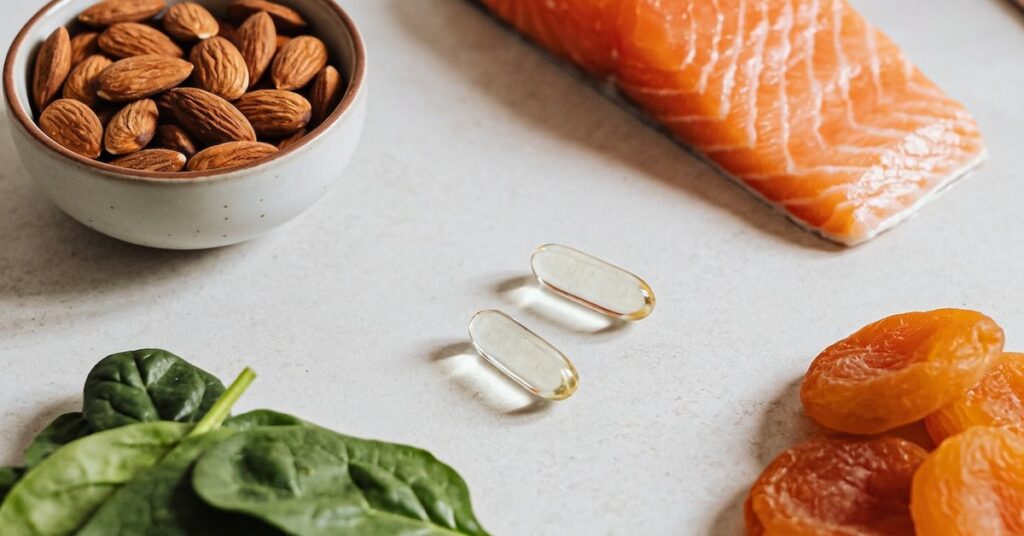
Incorporate a variety of these nutrient-dense foods into your weekly meal plan: red meat (such as beef or lamb), various beans including red kidney, edamame, chickpeas, and white beans, and shellfish like clams, oysters, or mussels. For plant-based iron and vitamin D support, leafy greens like dandelion, collard, kale, and spinach are excellent, as are dried fruits like apricots, tofu, and fortified breakfast cereals. By rotating these sources, you ensure that your digestive system receives a steady supply of nutrients without relying solely on synthetic forms.
Frequently Asked Questions
Are iron infusions more effective than oral supplements for transplant patients?
Iron infusions are generally reserved for patients with severe malabsorption or those who cannot tolerate oral iron. Your clinical team will determine if this path is necessary based on your specific intestinal graft function and blood markers.
Can I consume fortified cereals to help with iron deficiency?
Yes, fortified breakfast cereals are a convenient way to boost your daily intake, especially if your digestive system struggles with heavy meat sources. Always check the label to ensure the iron is in an absorbable form and not blocked by added calcium.
Does a low vitamin D level affect my immune system after a transplant?
A low vitamin D level can potentially impact your immune response and bone health, which are already areas of focus during immunosuppressive therapy. Maintaining adequate levels is essential for supporting overall recovery and reducing the risk of bone fragility.
How long should I wait between taking my medication and my iron supplement?
You should generally wait at least two hours between taking your iron supplement and any other medications, particularly antacids or calcium-based drugs. This spacing prevents chemical interactions that could render your treatment ineffective.
By coordinating your supplement timing and respecting the two-hour gap between iron and calcium-rich inhibitors, you will significantly improve your nutrient uptake. Consistent monitoring of your blood markers remains the most reliable way to navigate your recovery and maintain long-term intestinal health.