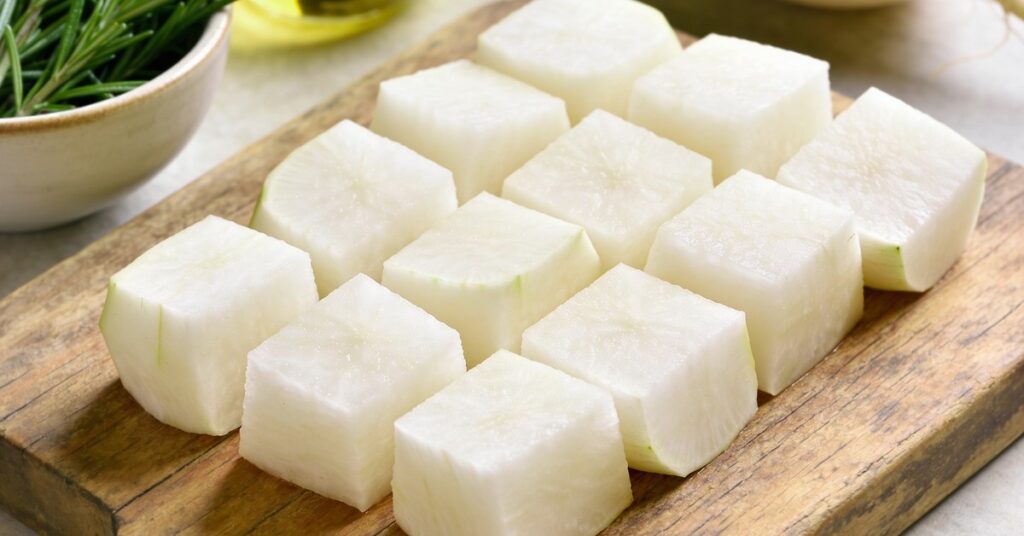
Incorporating nutrient-dense root vegetables like turnips into a post-transplant diet requires careful preparation to ensure they are both easily digestible and gentle on a sensitive gastrointestinal tract. In this guide, you will learn the safest methods for peeling, seasoning, and cooking turnips to achieve the soft, fork-tender texture necessary for comfortable absorption during your recovery journey. We provide evidence-based techniques to help you confidently navigate your nutritional management while prioritising your long-term intestinal health.
To master How To Cook Turnips properly, you must cut them into uniform 1-inch cubes and boil or roast them until a fork slides into the centre with no resistance. This ensures the vegetable is broken down sufficiently for efficient absorption, which is critical for those with digestive limitations or those recovering from intestinal transplantation.
How to cook turnips
Preparation and Basic Techniques
Cooking turnips is a straightforward process, with roasting, boiling, and sautéing being the most effective methods. To achieve the best results, consider roasting them in the oven, boiling them for a creamy mash, or quickly pan-frying them.
Cleaning and Chopping
- Wash and peel: Clean the turnips thoroughly under cool running water. If you are using large turnips, use a vegetable peeler to remove the outer skin for a smoother texture. Note that small, baby turnips do not require peeling.
- Chop: Trim the root ends and slice the bulbs into uniform one-inch cubes or wedges to ensure they cook evenly. Remember to keep the leafy greens aside; they can be sautéed separately later.
Roasted Turnips Guide
Roasting is an excellent way to bring out a tender, golden finish.
- Preheat: Set your oven to 220°C (425°F) and prepare a baking sheet with a layer of parchment paper.
- Season: Combine the turnip pieces with a light drizzle of olive oil, a pinch of salt, and freshly ground black pepper.
- Cook: Arrange the pieces in a single layer on the tray and roast for 20 to 35 minutes, or until they become tender and develop browned edges.
Boiled and Mashed Turnips
During the colder winter months, when turnips may be less tender, steaming or boiling them is a preferred approach.
- Simmer: Place the prepared cubes in a saucepan and fill with water until they are covered by an extra inch. Add a small pinch of salt.
- Boil: Bring the water to a boil, then reduce the heat to a simmer for 20 to 30 minutes, keeping them on the heat until they are soft enough to be easily pierced with a fork.
- Mash: Carefully drain all the water. Incorporate butter, a splash of milk or double cream, and seasoning to taste, then mash them exactly as you would with potatoes.
Extra Preparation Tips
For alternative preparations, you can peel and cut the turnips into thick wedges. Place them in a pan over a high heat with a splash of white wine, a knob of butter, and a pinch of brown sugar to caramelise them. Always prioritise consistency in your cuts, as uniform sizes are essential for ensuring every piece cooks at the same speed.
Selecting, Storing, and Preparing to Peel Turnips
Proper preparation begins by removing the leafy greens immediately upon purchase to prevent moisture loss from the root. Store unwashed turnips in a plastic bag or your refrigerator’s crisper drawer, where they remain viable for up to two weeks. Before learning How To Cook Turnips, rinse the roots under cool water, trim the stem and root ends, and use a vegetable peeler to remove the outer skin, unless you are using baby turnips, which can be washed and left unpeeled.
Recommended Preparation Workflow
- Rinse the roots thoroughly under cool running water.
- Trim the stem and root ends with a sharp paring knife.
- Peel the outer skin for older, larger turnips to ensure digestive comfort.
- Dice evenly into 1-inch cubes to guarantee consistent cooking.
Cooking Methods and Roast Turnip Recipe Options
Selecting the right cooking method is essential for ensuring your meal is gentle on the gut while maintaining nutritional integrity. Post-transplant recovery is a journey, and managing your nutrition is a huge step toward getting back to normal life; in my experience, keeping the texture soft is the best policy for avoiding discomfort.
| Cooking Method | Time | Best For |
|---|---|---|
| Roast | 30–35 mins | Enhanced flavour |
| Boil | 20–30 mins | Maximum tenderness |
| Steam | 3 mins | Nutrient retention |
Managing Bitterness and Health Benefits of Turnips
You can effectively balance the natural bitterness of turnips by incorporating acidic or sweet components such as lemon juice, balsamic vinegar, or honey. For savoury options, season with kosher salt, black pepper, and herbs like rosemary, thyme, or sage, or enrich the dish with cream and Parmesan cheese to increase caloric density, which supports your overall health benefits.
Frequently Asked Questions
Can I consume the greens after I cook turnips?
Yes, you can eat the greens, but they should be sautéed separately in olive oil and garlic to ensure they are tender. Boiling them with the roots often results in an uneven texture that may be harder to digest.
Does the size of the dice affect how I cook turnips?
Yes, consistent 1-inch cubes are essential because they ensure that all pieces reach the required tenderness simultaneously. Smaller or irregular pieces may become mushy, while larger chunks might remain too firm for a sensitive gut.
Is there a specific Turnip Recipe that is best for beginners?
A simple roasted Turnip Recipe using olive oil and light herbs is often the best starting point for beginners. The roasting process caramelises the natural sugars, which significantly reduces any lingering pungent flavours.
How do I know if I have successfully managed the bitterness?
You have successfully managed the bitterness when the vegetable tastes mildly sweet and earthy rather than sharp. If the taste remains too strong, try a quick splash of red wine vinegar near the end of the cooking process to balance the profile.
Prioritising a fork-tender texture is the most effective way to ensure your digestive system processes turnips safely and comfortably. Always verify that each piece is fully softened before eating to support your ongoing recovery and gut health.