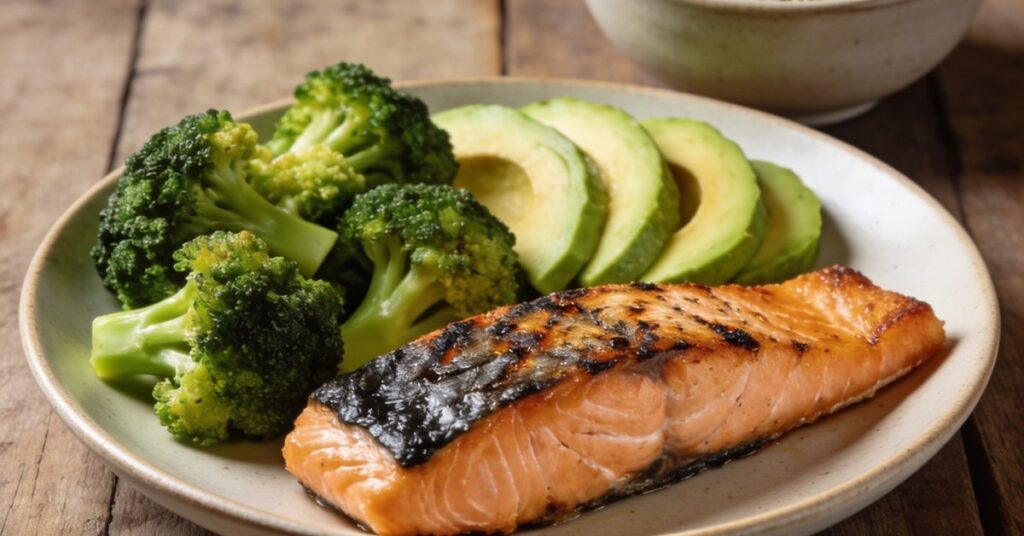
Navigating nutrition after intestinal transplantation or while managing chronic digestive conditions requires a careful balance between whole-food benefits and the specific physiological limitations of your gut. In this article, I provide an evidence-based overview of what is clean eating, helping you distinguish between helpful dietary habits and restrictive trends that may not serve your recovery. You will learn how to pragmatically assess food choices to support long-term digestive health while avoiding common pitfalls that could compromise your clinical goals.
Clean eating is a nutritional philosophy that prioritises whole, unprocessed foods such as fruits, vegetables, whole grains, lean proteins, and healthy fats, while actively avoiding ultra-processed items, packaged ready-made meals, and artificial additives. At its core, the practice involves preparing meals from scratch using single-ingredient components and reading ingredient labels to identify and avoid chemical additives and hidden sugars. While there is no single scientific definition for what is clean eating, it is widely interpreted as a lifestyle that replaces sugary beverages and alcohol with plain water to support better metabolic and digestive function.
What is clean eating
Understanding the Clean Eating Philosophy
Clean eating is a nutritional strategy that prioritises the consumption of whole, minimally processed ingredients in their most natural form. The core principle involves avoiding items that contain significant amounts of refined sugars, artificial flavourings, chemical preservatives, and excessive processing. Although there is no single, globally recognised scientific definition, it generally emphasises the intake of fresh produce, nourishing proteins, and unrefined grains.
Origins and Evolution
The concept emerged within the bodybuilding community during the 1990s as a method to optimise physical performance. Over the last decade, it has gained substantial popularity in the mainstream wellness sector. Despite its status as a trendy lifestyle choice, it acts more as a dietary framework rather than a rigid, medically mandated diet. Experts often highlight that clean eating focuses on consuming foods as close to their original source as possible.
Core Principles of the Approach
Implementing this lifestyle usually revolves around several fundamental pillars designed to improve overall well-being:
- Prioritising Whole Foods: Emphasising fresh fruits, vegetables, seeds, nuts, and minimally processed grains.
- Reducing Processing: Limiting or completely removing ultra-processed packaged meals, refined carbohydrates, and sugary beverages from one’s intake.
- Nutrient Density: Centring meals on foods naturally abundant in vitamins, essential minerals, and beneficial fats, such as olive oil and avocados.
- Home Cooking: Preparing meals from scratch allows individuals to maintain complete control over the levels of salt, sugar, and fat being consumed.
Potential Benefits and Considerations
Many individuals adopt these habits to boost daily energy levels, support digestive health, and assist with natural weight management. Due to its emphasis on a diverse range of plant-based foods and quality proteins, it often overlaps with established, evidence-based nutritional guidelines, such as those found in the Mediterranean diet.
However, it is important to exercise caution. While focusing on whole foods is generally advantageous, extreme interpretations can lead to the unnecessary exclusion of entire food groups without a clear medical reason. An overly rigid adherence to these rules may occasionally foster anxiety regarding food selection or lead to an unhealthy obsession with perceived purity, sometimes referred to as orthorexia.
Sustainable Healthy Eating
For the majority of people, a sustainable and healthy approach relies on prioritising whole-food options while maintaining flexibility rather than adhering to restrictive regimes. Maintaining a nutritious diet is one of the most effective ways to support long-term physical and mental health. When seeking authoritative guidance on balanced nutrition, the NHS Eat Well Guide remains an excellent resource.
Guidance for a Balanced Diet
A sensible strategy for healthy eating and long-term wellness includes the following recommendations:
- Base the majority of your daily meals on high-fibre, starchy carbohydrates.
- Aim to consume a wide variety of fresh fruit and vegetables.
- Ensure your intake includes consistent sources of lean protein.
- Stay hydrated and mindful of hidden ingredients in packaged goods.
Ultimately, a diet is most successful when it is balanced, enjoyable, and sustainable over the long term. For further information and evidence-based advice on maintaining a healthy lifestyle, consult the official NHS Eat Well resources.
Defining the Principles of Whole Foods and Clean Eating
The fundamental principle of clean eating is the transition away from convenience-based, synthetic food structures toward nutrient-dense, natural sources. Practitioners are encouraged to shop in the outer aisles of grocery stores to access fresh produce, meat, and dairy, which are typically closer to their original state than the products found in central, shelf-stable aisles. Post-transplant recovery is a journey, and managing your nutrition is a huge step toward getting back to normal life, provided you do not overcomplicate the process. By focusing on these primary food groups, the diet aims to simplify the digestive load, though some versions go further by excluding entire food groups like dairy or wheat without a formal medical diagnosis, which requires careful consideration for those with transplant-related absorption issues.
Navigating Nutrient-Dense Foods for Gut Sensitivity
Selecting the right foods is critical for individuals with complex gastrointestinal conditions, as the goal is to provide maximum nutritional value with minimal digestive irritation.
| Food Category | Clean Choice | Ultra-processed Avoidance |
|---|---|---|
| Proteins | Chicken, turkey, fresh fish, eggs | Hot dogs, gammon, pate |
| Carbohydrates | Quinoa, brown rice, oats | White bread, pastries, sugary cereals |
| Hydration | Plain water, herbal tea | Energy drinks, sweetened soda |
Recommended Healthy Eating Choices
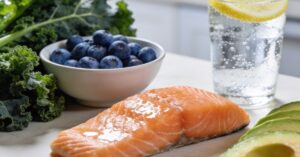
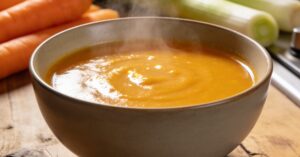
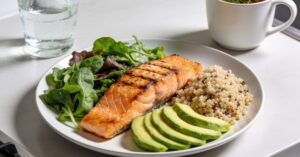
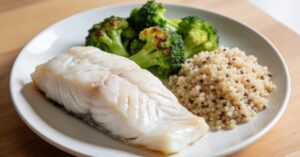
The most beneficial foods for a clean eating lifestyle include fresh produce like apples, bananas, blueberries, grapes, oranges, strawberries, watermelon, cantaloupe, figs, mangos, and pineapples. For vegetable intake, focus on broccoli, cauliflower, zucchini, carrots, celery, salad greens, eggplant, spinach, kale, and asparagus. High-quality protein sources such as chicken, turkey, fresh fish, and eggs, alongside plant-based options like beans, lentils, chickpeas, and tofu, provide the necessary building blocks for tissue repair. Additionally, quinoa, brown rice, and rolled oats serve as digestible grains, while unsweetened full-fat yogurt, avocados, extra-virgin olive oil, and raw nuts or seeds offer essential healthy fats and probiotics for gut flora.
Avoiding Sugar and Artificial Additives
To avoid triggering digestive distress or systemic inflammation, it is necessary to eliminate ultra-processed items from your diet. This includes processed meats like hot dogs, bacon, sausages, ham, gammon, and pate, as well as refined white bread, white pasta, and regular pastries. Furthermore, one should strictly avoid synthetic preservatives, colours, flavour enhancers, and artificial sweeteners such as sucralose, aspartame, and saccharin. Beverages should also be audited to remove soda, energy drinks, and sweetened teas, while cooking fats should be free from hydrogenated oils and trans fats to ensure the digestive tract is not burdened by difficult-to-process lipids.
Clean Eating Diet versus Intuitive Eating
Clean eating is distinct from traditional dieting because it focuses on the quality of food sources rather than adhering to rigid, quantitative rules like counting calories or tracking macronutrients. While dieting is often a short-term endeavour with a clear start and end point aimed at weight loss or muscle gain, clean eating is an ongoing lifestyle shift that prioritises long-term health and wellness. Unlike many restrictive diets that require the elimination of entire food groups, this approach emphasises consuming local, organic, and plant-based foods, rarely requiring the tracking of exact numbers or portions, which can be a more sustainable approach for patients recovering from surgery. Understanding what is clean eating allows one to view food as a tool for healing rather than a list of restrictions.
Practical Steps to Start Clean Eating
Starting a clean eating lifestyle is most successful when you implement manageable, high-impact habits that do not overwhelm your digestive system. Follow this process to stay on track without losing your mind:
- Consult your transplant Dietitian to ensure your specific caloric and nutrient targets are met.
- Fill half of your plate with vegetables at every meal, keeping an eye on fiber intake to avoid irritation.
- Apply the „5-ingredient rule”: if the label has more than five ingredients, put it back on the shelf.
- Monitor your daily intake and hydration levels, aiming for 32-64 ounces of water.
- Keep a food diary for two weeks to identify any specific items that trigger discomfort.
Remember: Always consult your transplant team before making major diet changes, as your graft function and current medication regimen take absolute priority over any lifestyle trend.
Addressing Challenges with Clean Eating and Orthorexia
Clean eating must be approached with caution, as there is currently no scientific evidence supporting the health benefits of the practice, and its lack of a formal scientific definition can lead to confusion. For individuals with a history of digestive failure, rigid clean eating can inadvertently trigger guilt, anxiety, and disordered eating patterns, such as Orthorexia, particularly if one begins to label foods as „good” or „bad.” Restrictive dietary boundaries can also cause social isolation, making it difficult to maintain a balanced life. As noted in the 14 Oct 2025 article „Clean eating: What does that mean?” and research by J Fanzo (2019) published in PMC regarding dietary composition and environmental outcomes, people who follow restrictive diets without making sustainable, long-term lifestyle changes often struggle to maintain their health gains or tend to regain lost weight.
Debunking Common Nutritional Myths
Understanding the truth behind nutritional myths is vital for making informed decisions about your gut health. Contrary to popular belief, no supplement, juice, or special pad provides any physiological benefit for „detoxing,” as the body naturally relies on the liver and kidneys to clear out waste. Basic processing steps like freezing, washing, or canning do not destroy nutritional value; in fact, frozen fruits and vegetables are often frozen at peak ripeness, retaining high levels of vitamins. Furthermore, alternative sweeteners like coconut sugar, honey, and maple syrup are processed by the body in a way that is very similar to regular table sugar, meaning they are not necessarily „cleaner” choices. Ultimately, labelling food as „clean” or „dirty” creates a false dichotomy that ignores the complexity of human nutrition and the diverse needs of the digestive system.
Frequently Asked Questions
Is clean eating safe for someone with an ostomy?
Clean eating can be safe, but you must be careful with high-fibre raw produce as some items may be difficult to digest. Always introduce new foods slowly and consult your surgical team to ensure your stoma remains clear and healthy.
Do I need to buy organic food to eat clean?
While organic choices are often encouraged in this lifestyle, the primary focus is on whole, unprocessed items rather than the specific farming method. Prioritising fresh, non-processed ingredients is more important for your gut health than the organic certification.
Can clean eating help with nutrient absorption after a transplant?
Eating whole foods focuses on high-quality nutrition, but because absorption is unique after transplantation, your transplant Dietitian must guide your specific sodium and micronutrient intake. Do not attempt to overhaul your diet without professional oversight to ensure you meet your caloric targets.
Is it okay to have occasional processed foods?
Yes, clean eating is a lifestyle rather than a rigid set of laws; moderate, occasional consumption of processed items is usually acceptable. The goal is to maintain a sustainable pattern where the majority of your intake remains focused on whole, unprocessed ingredients.
Focus on incorporating nutrient-dense, whole foods while remaining flexible to your body’s unique clinical needs during your recovery journey. Always coordinate your dietary shifts with your transplant team to ensure that every choice actively supports your long-term health and graft stability.