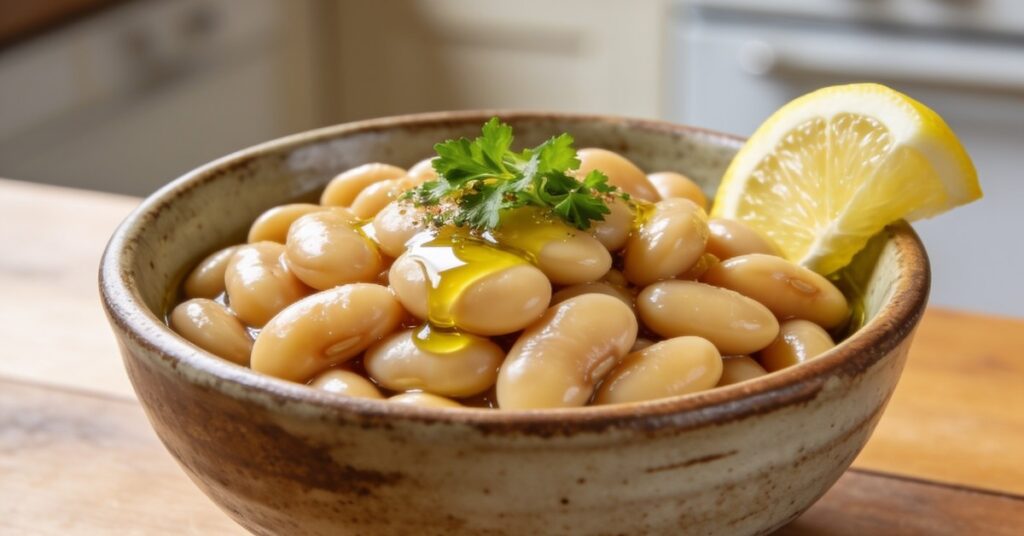
For patients navigating the complexities of intestinal recovery or post-transplant nutrition, understanding the role of nutrient-dense staples like butter beans is essential for long-term digestive stability. In this guide, I will provide an evidence-based breakdown of their nutritional impact, potential side effects, and the precise preparation methods required to ensure they are both safe and digestible for your unique health needs. You will learn how to integrate these legumes into your diet with confidence, prioritising both your cardiovascular wellness and your ongoing digestive comfort.
Butter beans are exceptionally healthy and serve as a nutrient-dense addition to a balanced diet, provided they are prepared correctly to suit individual digestive tolerance. Many readers often ask me, are butter beans healthy for someone with a complex GI history? The answer is a resounding yes, as these legumes offer a powerful combination of plant-based protein, dietary fibre, and essential minerals that support metabolic function, heart health, and stable blood glucose levels, making them a valuable inclusion for those recovering from gastrointestinal challenges.
Are butter beans healthy
Butter beans are exceptionally nutritious and serve as a fantastic addition to any balanced diet. These legumes are naturally rich in plant-based protein, essential fibre, and a wide array of vital vitamins and minerals.
Understanding Butter Beans and Lima Beans
Are butter beans and lima beans synonymous? In various regions across the globe, butter beans are commonly referred to as lima beans. While they are essentially the same variety, minor nutritional differences can exist depending on the specific cultivar; however, they remain a healthy staple for your meals.
Key Nutritional Advantages
Incorporating these beans into your routine provides several health-promoting benefits:
- High Fibre Content: Facilitates healthy digestion, supports gut microbiome balance, and promotes a persistent feeling of fullness.
- Plant-Powered Protein: Supplies the necessary building blocks to repair bodily tissues and support muscle maintenance.
- Cardiovascular Support: Naturally low in fat and sodium while offering potassium, which is useful for maintaining healthy blood pressure levels.
- Blood Sugar Regulation: Possessing a low glycaemic index, they deliver a steady release of energy, preventing sharp spikes in blood glucose.
- Iron and Folate Enrichment: Provides essential nutrients that help prevent anaemia and assist in healthy cell development.
How to Incorporate Butter Beans into Your Diet
Whether you choose dried or tinned varieties, both are nutritionally excellent. If using canned options, it is advisable to rinse them thoroughly to reduce excess salt content.
They are incredibly versatile in the kitchen:
- Traybakes: Combine them with poultry, seasonal vegetables, and aromatic spices for a quick and nutritious evening meal.
- Dips: Mash them as a creamy, satisfying alternative to chickpeas for snacks or spreads.
- Soups and Stews: Add them to liquid-based dishes to boost the protein and fibre profile of your cooking.
- Salads: Toss them through leafy greens to add texture, flavour, and substance to your lunches.
Butter beans nutrition and the role of vitamins and minerals
Butter beans, often referred to as Lima bean varieties, are a powerhouse of nutrition, offering roughly 90 to 115 calories per half-cup serving, which makes them an efficient energy source for patients needing controlled caloric intake. Each half-cup serving provides approximately 5 to 6 grams of protein and 5 to 6 grams of fibre, supporting muscle maintenance and digestive regularity, while a 100g portion contains about 115 calories, 7g of protein, and 5g of fibre. When you look at the evidence, you might wonder if are butter beans healthy enough to replace less stable energy sources in your recovery plan. They are indeed; because butter beans have a low glycemic index of 32, they do not trigger the sharp spikes in blood glucose levels often seen with refined carbohydrates, which is vital for patients managing metabolic health or insulin sensitivity after surgery.
The nutritional profile of these legumes goes beyond basic macronutrients, as they are rich in complex carbohydrates that provide a steady stream of energy. I have found that for many of my peers in the transplant community, finding a reliable, slow-digesting carbohydrate is like finding gold. These beans provide exactly that, ensuring that your energy levels remain consistent throughout the day without placing unnecessary stress on your digestive system. It is this sustained release of glucose that makes them a staple I frequently recommend to those looking to stabilise their post-operative metabolism.
Cardiovascular support and white bean cholesterol benefits
Butter beans are highly beneficial for heart health, as they are naturally low in saturated fat and contain specific nutrients that actively support cardiovascular wellness. Organisations such as the British Heart Foundation encourage the consumption of pulses like butter beans as part of a daily heart-healthy diet, while HEART UK identifies them as a key food source for lowering cholesterol levels. Given the medications many of us take post-transplant, keeping our cardiovascular markers in check is non-negotiable, and these beans provide a natural, food-based tool to assist in that effort.
The mechanism behind this heart protection lies largely in the soluble fibre, which accounts for over half of the 6.5 grams of total fibre found in a half-cup of Lima bean portions. This soluble fibre binds to LDL cholesterol within the gut, assisting in its removal from the body, while the potassium content helps relax blood vessel walls to lower high blood pressure. Furthermore, as one cup of butter beans contains approximately one quarter of the recommended daily iron intake, they are an excellent choice for maintaining healthy blood oxygen levels and overall cardiovascular vitality.
How to cook butter beans and Gigantes safely
Butter beans are safe for most individuals when prepared with careful attention to traditional soaking and cooking methods, though they do require specific handling to neutralise natural compounds. Raw or uncooked beans contain cyanogens—compounds that release cyanide—which necessitates that you soak dried beans in water for 8 to 12 hours before boiling them to ensure they are safe for consumption. I always tell my fellow patients that if you are questioning are butter beans healthy, the answer depends entirely on your commitment to the preparation process; shortcuts here are simply not an option for someone with a sensitive gut.
Important: Always ensure your butter beans are cooked thoroughly until tender; raw or undercooked beans are a major „no-go” for anyone managing intestinal health or post-transplant recovery.
- Rinse canned beans thoroughly under cold water to remove excess sodium.
- Soak dried beans in water for 8–12 hours to reduce anti-nutrients.
- Boil dried beans for 1 to 2 hours until they reach a soft, tender consistency.
- Simmer with extra-virgin olive oil and garlic to improve digestibility.
Comparing butter beans to baked beans and beans on toast
Ever wondered how your pantry staples stack up against each other? Butter beans stand out among other legumes due to their impressive concentration of essential minerals and fibre. When looking at the nutritional density of a plain white bean versus the often sugar-laden sauces found in canned baked beans, the former is clearly superior for post-transplant dietary management. If you enjoy beans on toast, opting for home-cooked butter beans seasoned with herbs instead of pre-processed varieties allows you to control the sodium and sugar content, making the meal significantly more heart-friendly.
| Nutrient (per cup) | Butter Beans | Typical Legume Average |
|---|---|---|
| Protein | 13.3g | ~8-10g |
| Fibre | 11.9g | ~7-9g |
| Glycemic Index | 32 | Variable |
When comparing preparation types, dried beans are generally more nutrient-dense, containing higher concentrations of protein, iron, magnesium, and potassium than their canned counterparts. However, because canned and home-cooked beans share similar calorie, fat, and carbohydrate profiles, most experts agree that both are healthful choices, so long as the canned versions are rinsed thoroughly to mitigate sodium intake.
Frequently Asked Questions
Can I eat butter beans if I have an ostomy?
You should start with small, well-mashed portions to gauge your tolerance, as the high fibre content can be challenging for some ostomates. Always ensure they are boiled until very soft to minimise the risk of discomfort.
Are canned butter beans as healthy as dried ones?
Canned beans are a healthful option, but they often contain higher levels of sodium compared to dried beans. Rinsing them thoroughly under cold water is a simple and effective way to remove excess salt before consumption.
How do butter beans compare to other pulses?
Butter beans provide a higher concentration of potassium and fibre per serving than many other common legumes. This makes them an excellent choice for supporting cardiovascular health and maintaining stable energy levels throughout the day.
Can I use butter beans to make Gigantes?
Yes, butter beans are the perfect base for making traditional Gigantes, which is a nutritious dish of large beans baked in a tomato sauce. Just ensure you use homemade sauce to avoid the high sugar and sodium levels found in many commercial varieties.
Thoroughly soaking and boiling your beans is the most effective way to ensure they remain a safe, digestible part of your long-term recovery strategy. By prioritising proper preparation, you can confidently enjoy the significant cardiovascular and metabolic rewards these nutrient-dense legumes offer on your journey to wellness.