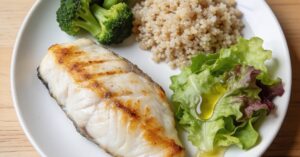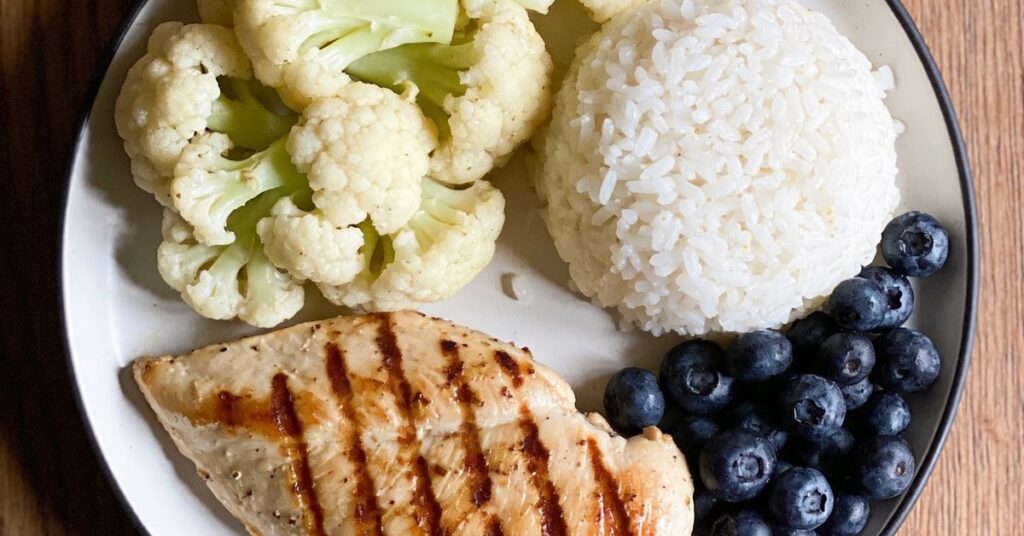
Managing renal health alongside digestive recovery is a complex balancing act that requires precise control over mineral intake to protect both your transplant and overall metabolic stability. This guide provides a comprehensive 7 Day Meal Plan For Kidney Disease designed to safely manage sodium, phosphorus, and potassium levels while supporting your daily nutritional needs. You will learn evidence-based strategies for meal preparation and portion control, helping you navigate your dietary choices with confidence and clinical clarity.
7 day meal plan for kidney disease
Adopting a renal-friendly diet involves careful management of sodium, protein, phosphorus, and potassium intake to support kidney function. A well-structured seven-day meal plan typically emphasises whole foods, lean proteins, and specific portions tailored to individual health requirements. Please note that this information is for educational purposes and should not replace professional medical advice or a diagnosis provided by a healthcare provider.
Recommended Dietary Principles
When planning your meals for kidney health, consider the following nutritional guidelines:
- Sodium: Minimise salt intake to assist in blood pressure control. Utilise fresh herbs, lemon juice, and garlic powder as flavour alternatives.
- Protein: Consume moderate portions of poultry, fish, or egg whites to manage waste production.
- Potassium and Phosphorus: Opt for low-potassium fruits and vegetables, such as berries, cauliflower, and cabbage. If advised, choose white grains over whole grains to help regulate phosphorus levels.
Seven-Day Sample Meal Plan
Day 1
- Breakfast: Oats prepared with almond milk, served with a handful of raspberries and a dusting of cinnamon.
- Lunch: Shredded chicken salad wrap using a low-sodium tortilla, fresh lettuce, and a thin layer of light mayonnaise.
- Dinner: Oven-baked chicken breast served with cauliflower florets and a small portion of white rice.
- Snack: Red bell pepper strips accompanied by cream cheese.
Day 2
- Breakfast: Scrambled egg whites cooked with spring onions, served with one slice of white toast.
- Lunch: Egg salad sandwich on white bread with a light mayonnaise spread, served with sliced cucumber.
- Dinner: Pan-seared chicken thighs seasoned with taco herbs and mixed bell peppers.
- Snack: Apple slices paired with unsalted peanut butter.
Day 3
- Breakfast: Cream of rice cereal made with almond milk and garnished with fresh sliced pears.
- Lunch: Tinned tuna (thoroughly rinsed and drained) combined with light mayonnaise and diced celery, served with low-sodium crackers.
- Dinner: Baked cod fillet seasoned with lemon, served with steamed green beans and quinoa.
- Snack: Carrot batons served with a mild herb-infused yoghurt dip.
Day 4
- Breakfast: White toast with a minimal amount of soft margarine, served with low-sodium cottage cheese and fresh raspberries.
- Lunch: Grilled chicken breast over a crispy garden salad dressed with high-quality olive oil.
- Dinner: Roasted lean pork loin served with a small serving of boiled white potatoes.
- Snack: Unsalted popcorn.
Day 5
- Breakfast: Two small pancakes topped with fresh blueberries and a drizzle of maple syrup.
- Lunch: Turkey breast slices served in a wrap with crisp lettuce and a touch of cranberry sauce.
- Dinner: Stir-fried chicken strips sautéed with shredded cabbage, carrots, and onions, served over white rice.
- Snack: A small serving of fresh grapes.
Day 6
- Breakfast: Chia seed pudding prepared with soy milk and topped with fresh strawberries.
- Lunch: Lettuce wrap filled with leftover poultry and sliced cucumber.
- Dinner: Baked salmon fillet served alongside steamed white rice and roasted asparagus.
- Snack: Fresh pineapple chunks.
Day 7
- Breakfast: Oatmeal cooked with water, mixed with a little honey and diced apples.
- Lunch: Low-sodium vegetable soup with a small side salad.
- Dinner: Herb-crusted tilapia served with steamed carrots and a small portion of buckwheat.
- Snack: Sliced red or green grapes.
Foods to Monitor
Dietary requirements are highly individualised based on the stage of chronic kidney disease (CKD), current laboratory findings, and prescribed medication. It is essential to consult with a registered dietitian or your medical consultant to tailor this plan to your specific needs. High-phosphorus foods, such as certain seeds, should be limited to prevent complications related to bone and blood health.
Foundations of a Kidney-Friendly Meal Plan for Kidney Disease
A 7 Day Meal Plan For Kidney Disease revolves around prioritising high-quality, low-sodium proteins and carefully selected produce to minimise the workload on your renal system. By focusing on skinless chicken breast, fish, egg whites, and tofu, you provide your body with essential amino acids without the excessive sodium found in processed alternatives. Incorporating fruits like apples, berries, grapes, cherries, and plums, alongside vegetables such as cauliflower, onions, eggplant, turnips, cabbage, bell peppers, and cucumbers, ensures you receive vital nutrients while keeping potassium levels within a safe range for your specific stage of health. These fresh, whole food choices serve as the bedrock for anyone looking to stabilise their internal environment after surgery or during long-term management of Chronic Kidney Disease.
To truly master this eating plan, flavour must be achieved through creativity rather than salt. Using garlic, onions, fresh herbs, and various spices allows you to prepare appetising meals that do not rely on sodium, which is crucial for managing blood pressure and fluid retention. Furthermore, it is vital to limit processed foods, dark colas, and heavy dairy products, as these are often loaded with phosphorus additives that can be particularly taxing for those recovering from intestinal transplantation. Your daily routine should feature structured, kidney-friendly breakfasts like cream of wheat or oatmeal with blueberries, lunches focused on grilled chicken or tuna on white bread, and dinners consisting of baked fish or chicken breast paired with white rice, quinoa, or steamed green beans.
Strategic Protein and Phosphorus Management for People with Kidney Disease
Balancing protein intake is essential for renal health, with a target of 0.6 to 0.8 grams per kilogram of body weight per day for most patients, though this must be adjusted if you are undergoing dialysis. To manage this effectively, limit each protein serving to 2 to 3 ounces per meal, which is roughly the size of the palm of your hand. Consuming two 3-ounce servings of meat or meat substitutes per day is the recommended baseline, and you should divide your total daily protein intake evenly across breakfast, lunch, and dinner to ensure your digestive system can process the load efficiently without causing systemic stress.
When selecting your protein sources, prioritise plant-based options such as tofu, beans, lentils, pulses, legumes, and nuts to take advantage of their fibre content and lower phosphorus density. While animal proteins like skinless chicken, fish, and egg whites are excellent, they must be fresh; you must strictly avoid packaged or pre-made meats, as these frequently contain hidden phosphorus additives. Important: Always consult your transplant team or renal dietitian before making major changes to your diet to ensure these adjustments do not interfere with your immunosuppression or graft function.
| Protein Source | Kidney-Friendly Status |
|---|---|
| Skinless Chicken/Fish | Recommended (Fresh only) |
| Tofu/Legumes | Recommended (Plant-based) |
| Processed Deli Meats | Avoid (High Phosphorus) |
| Pre-made Sausages | Avoid (Hidden Additives) |
Low-Sodium Kidney-Friendly Recipes and Eating Plan
Maintaining a daily sodium intake under 2,300 mg is the primary objective of this seven-day framework, ensuring that your heart and kidneys remain protected while your gut heals. On Day 1, begin with a low-sodium bell pepper and spinach egg bake, followed on Day 2 by oatmeal topped with fresh blueberries and cinnamon. For Day 3, a mashed chickpea salad sandwich seasoned with garlic powder and parsley provides a satisfying, plant-based lunch. Day 4’s dinner should consist of a homemade low-sodium chicken and rice soup paired with a light radish salad to keep your digestive tract comfortable.
The remainder of the week continues this pattern of simple, kidney-conscious preparation. On Day 5, enjoy sourdough toast topped with mashed avocado, lemon juice, and a boiled egg for a nutrient-dense breakfast. Day 6 offers a chicken stir-fry using cabbage, carrots, and a low-sodium ginger sauce served over white rice, providing a variety of textures that are generally well-tolerated. Finally, Day 7 features a lunch of canned tuna (specifically labelled as no salt added) mixed with olive oil and fresh herbs, served on low-sodium bread.
Managing Potassium and Phosphorus in Stages of CKD
Effective management of electrolytes is achieved by selecting specific produce and preparation methods that reduce these minerals before they enter your system. You should choose apples, berries, grapes, and pineapple as your primary fruit sources, as these are significantly lower in potassium than bananas or oranges. Similarly, opt for bell peppers, cabbage, cauliflower, and cucumbers instead of potatoes or tomatoes to reduce your potassium load. When dealing with higher-potassium vegetables, always use the “leaching” method—boiling the produce in a large volume of water and then draining it—to pull out excess minerals before you proceed to cook or season them.
Regarding phosphorus, the most critical step is reading labels for any ingredient containing the letters „PHOS,” such as sodium phosphate, as these chemical additives are absorbed 100% by the body and can lead to rapid mineral imbalances. You must also limit your intake of milk, cheese, yogurt, and dark colas, which are notorious for their high phosphorus content. By prioritising fresh meats, whole grains, and basic components like egg white omelettes, white toast, rice cakes, and broiled tilapia, you successfully lower your overall phosphorus absorption rate.
Simplified Kidney Diet for Beginners
A beginner-friendly Kidney Diet focuses on consistency and ease of digestion, starting with a breakfast of two eggs scrambled without extra salt and one slice of white or sourdough bread with a small amount of unsalted butter. Post-transplant recovery is a journey, and managing your nutrition is a huge step toward getting back to normal life. For your main meals, aim for a 3-ounce portion of grilled chicken breast or pork loin, served alongside 1 cup of cooked white rice or buttered orzo pasta. Adding 1/2 cup of steamed green beans provides essential fibre, and finishing with 1/2 cup of canned pineapple or fresh blueberries keeps your dessert options safe.
Snacking is a necessary part of your daily intake, but it must be intentional to prevent accidental sodium or mineral spikes. Keep your pantry stocked with unsalted popcorn or red bell pepper slices, which are excellent for satisfying cravings without jeopardising your health goals. By mastering these basic components, you build a sustainable foundation that can be expanded as you become more comfortable with your specific nutritional requirements.
Customising Kidney-Friendly Foods by Stages of CKD
Customisation of your meal plan is essential because nutritional requirements shift significantly as your kidney function changes across the various stages of CKD. For stages 1 and 2, the primary goal is maintaining a daily sodium intake under 2,300 mg, while for stage 3, you must more strictly limit dietary protein to 0.6 to 0.8 grams per kilogram of body weight to prevent further kidney strain. Conversely, patients who have transitioned to dialysis require a much higher protein intake—often 1.2+ grams per kilogram of body weight—to compensate for the protein lost during the dialysis process.
In the later stages of CKD (stages 4 and 5), your focus should shift toward choosing refined grains over whole grains to keep phosphorus levels within an acceptable range. Regardless of the stage, you should always swap high-potassium produce like raw spinach, potatoes, oranges, and bananas for safer alternatives such as apples, berries, cabbage, or cucumbers. By limiting lean poultry to 3-ounce portions and avoiding all commercial additives and processed cheeses, you ensure that your diet remains a supportive tool rather than a source of physiological stress.
Practical Tips for Meal Prep and Grocery List
Effective meal preparation for kidney patients relies on batch cooking and safe storage to ensure that your carefully planned meals remain fresh and nutrient-stable. Store cooked meals in the refrigerator for no more than 3 to 4 days, or freeze portions intended for the second half of the week immediately to maintain quality. Use white rice, quinoa, or refined pasta as your base grains, as these are easy to batch-cook and provide a neutral foundation for a variety of kidney-friendly toppings and proteins.
- Consult your renal dietitian to set specific daily targets.
- Monitor your intake using a simple digital food diary.
- Keep hydration levels steady throughout the day.
- Prepare your proteins in 3-ounce batches for the week.
Frequently Asked Questions
Why should I choose white bread over whole wheat when eating for kidney disease?
In later stages of CKD, refined grains are often recommended because they contain lower levels of phosphorus compared to whole grains. This makes them easier for compromised kidneys to process without causing an accumulation of minerals.
Can I still enjoy meat if I have to eat with kidney disease?
Yes, but portion control is critical; focus on lean, fresh sources like skinless chicken or fish, keeping portions to 3 ounces. Always avoid all pre-packaged or cured meats that contain hidden phosphorus additives.
How do I know if a food is safe for my digestive health?
Always introduce new foods slowly, especially if you have a history of intestinal issues or transplantation. Focus on easily digestible, low-sodium, and low-potassium options to monitor how your body responds.
Is it necessary to boil all vegetables when following a kidney diet?
No, only high-potassium vegetables require leaching (boiling and draining). Many low-potassium vegetables, such as cauliflower and bell peppers, can be steamed or grilled without this step.
Adhering to a structured 7 Day Meal Plan For Kidney Disease is a powerful way to support your renal health and digestive recovery through the consistent use of fresh, whole ingredients. Remember that your nutritional needs are as unique as your recovery journey, so always coordinate these dietary adjustments closely with your medical team to ensure they perfectly align with your current health status.