Navigating the complexities of nutrient absorption is a critical aspect of your recovery journey, particularly when managing the unique dietary demands following intestinal transplantation or chronic digestive failure. In this guide, I share evidence-based insights on the safe integration of IRON WITH VITAMIN B12 to help you effectively manage potential deficiencies and combat persistent tiredness. You will learn practical strategies for optimising supplement absorption, identifying key dietary sources, and managing side effects to support your long-term health and vitality.
You can safely take IRON WITH VITAMIN B12 supplements together, as there is no harmful chemical interaction between these two essential nutrients. Many patients struggling with anaemia benefit from this combined approach, as it is common to have a deficiency in both simultaneously, and these nutrients work synergistically to facilitate the production of healthy red blood cells. By correcting both deficiencies at once, you can more effectively address the underlying causes of anaemia and improve your overall energy levels during recovery.
Iron with vitamin B12
The Vital Roles of Iron and Vitamin B12
Iron and vitamin B12 serve as crucial micronutrients that collaborate to maintain healthy red blood cell production and sustain your energy levels. Whilst they function in distinct ways, a shortfall in either can result in anaemia. Iron is primarily responsible for constructing haemoglobin, a protein within red blood cells that transports oxygen from the lungs throughout the entire body. Conversely, vitamin B12 is essential for supporting nervous system integrity, facilitating DNA synthesis, and assisting in the maturation of red blood cells.
Recognising Deficiency Symptoms
While both deficiencies can present with overlapping symptoms, they also have unique warning signs. Common indicators for both include persistent exhaustion, lethargy, lightheadedness, and shortness of breath.
- Iron deficiency markers: Paleness of the skin, a constant feeling of coldness, brittle nails, hair thinning, and strange cravings for non-food items.
- Vitamin B12 deficiency markers: Sensations of pins and needles in the extremities, cognitive impairment (brain fog), memory disturbances, and a sore, reddened tongue.
Metabolic Connections and Anaemia
It is important to note that a vitamin B12 deficiency may occasionally mask an iron deficiency. Furthermore, these two deficiencies frequently occur concurrently due to poor nutritional habits or impaired intestinal absorption. Erythropoiesis, the biological process of creating new red blood cells, is disrupted when these nutrients are lacking, leading to ineffective cell production or premature cell death.
Dietary Sources
Ensuring your diet is rich in these nutrients is vital for overall health:
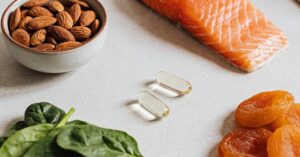
- Sources of Iron: Lean red meats, liver, legumes such as lentils and beans, dark green vegetables like spinach, and breakfast cereals fortified with iron.
- Sources of Vitamin B12: Animal-based products, including fish, poultry, eggs, milk, cheese, and meats. Individuals following plant-based diets often require fortified foods as natural B12 is absent in plants.
Diagnosis and Management
If you are experiencing ongoing fatigue, do not resort to self-diagnosis or arbitrary supplementation. It is imperative to consult a medical professional for a full blood count, including ferritin and B12 level assessments. Proper management requires targeted intervention based on clinical test results, as incorrect supplementation will fail to address the root cause of the anaemia or metabolic imbalance.
Clinical Monitoring
Medical management often involves a structured follow-up plan:
- Evaluation of reticulocyte counts and potential side effects within a fortnight.
- Routine monitoring of complete blood counts (CBC) every one to two months until levels return to the normal range.
- Addressing secondary causes, such as malabsorption syndromes or inadequate dietary consumption, which frequently trigger these deficiency states.
Can You Safely Take Iron Supplements With Vitamin B12 and Manage Anaemia?
Yes, taking IRON WITH VITAMIN B12 together is entirely safe and often recommended by clinicians to address mixed forms of anaemia. Nearly 29% of individuals diagnosed with iron deficiency anaemia suffer from deficiencies in both iron and VITAMIN B12, which is why these nutrients are frequently combined in high-quality multivitamins and prescribed as a dual therapy. If you are ever unsure about your specific dosage or potential interactions with other medications, the Drugs.com Interaction Checker is a reliable resource to verify your supplement regimen.
While these supplements are safe to pair, it is important to remember that iron absorption is highly sensitive to your environment. Iron works best when taken on an empty stomach to avoid interference from other dietary components. Conversely, substances such as coffee, tea, milk, and eggs can block the body from effectively using iron, so it is best to space these out from your supplementation time. Your clinical team may prescribe these together specifically to treat low blood counts, ensuring you receive a balanced approach to restoring your haematological health.
Identifying Symptoms of Iron Deficiency Anaemia and Vitamin B Deficiency
The most common symptoms of combined iron and VITAMIN B12 deficiency include extreme tiredness, a persistent lack of energy, and noticeable physical changes like pale or yellowish skin. Because these nutrients are fundamental to red blood cell formation, a shortage often manifests as shortness of breath and rapid breathing, even during minimal physical exertion. Recognising these signs early is essential for preventing the progression of anaemia and ensuring your body has the raw materials needed for recovery.
Beyond general exhaustion, you may experience specific neurological and physical markers that indicate a deeper deficiency. Many patients report „pins and needles,” clinically known as paraesthesia, in their hands and feet, alongside physical signs such as brittle or spoon-shaped nails and hair loss. Other clinical indicators include glossitis, which presents as a smooth, sore, or red tongue, and restless legs syndrome. In some cases, a patient might experience pica, a condition where one develops strange cravings to eat non-food items like ice, dirt, or paper, which is a classic clinical sign of severe iron depletion.
Foods Rich in Iron and Vitamin B12 for Better Gut Health
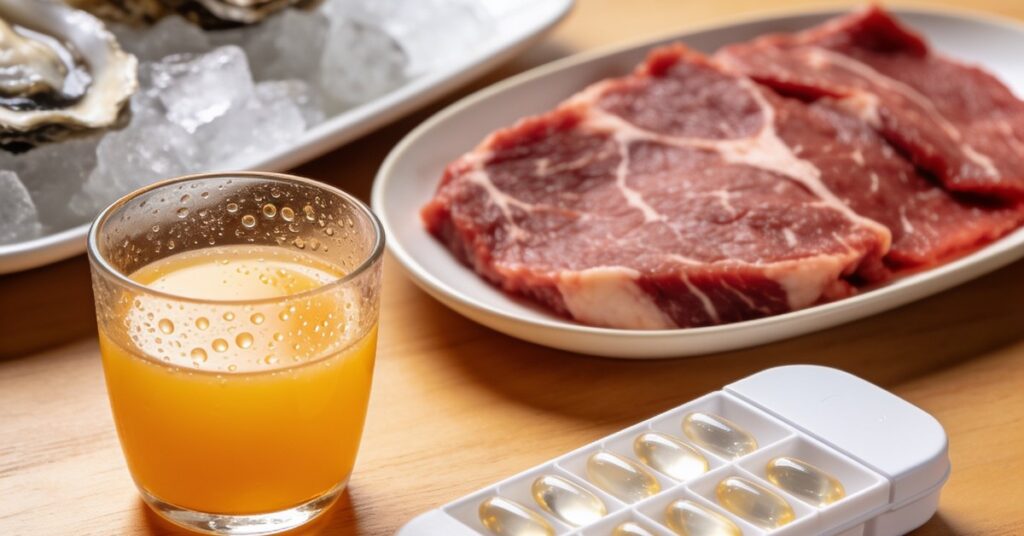
Ever wondered if your plate is working as hard as you are during recovery? Incorporating specific animal-based proteins into your diet is the most efficient way to naturally boost both iron and VITAMIN B12 levels simultaneously.
| Food Source | Primary Nutrient Benefit |
|---|---|
| Clams, Oysters, Mussels | High-density iron and B12 |
| Beef & Liver | Excellent heme iron bioavailability |
| Sardines & Tuna | Easy-to-digest protein & B12 |
| Fortified Yeast | Plant-based B12 support |
Effective Treatment Protocols for Iron Deficiency Anaemia
Clinical treatment for anaemia usually involves high-dose supplementation to rapidly correct deficiencies, typically starting with ferrous sulfate at 200 mg twice daily or 50–100 mg of elemental iron once a day. For VITAMIN B12, the approach depends on the severity of the deficiency; while oral tablets are often sufficient for mild or diet-related cases, severe deficiency requires more aggressive intervention. In such instances, high-dose VITAMIN B12 injections, specifically using hydroxocobalamin, are administered directly into the muscle to bypass potential absorption issues in the gut.
The initial treatment protocol for severe VITAMIN B12 deficiency often begins at 100 mcg daily to restore baseline levels. During this treatment phase, it is vital to follow strict dietary guidelines to improve the efficacy of your iron tablets. Always take your iron with VITAMIN C, such as a glass of orange juice, to enhance absorption, but strictly avoid consuming tea, coffee, dairy, or calcium-rich foods at the same time.
Important: Always track your progress and any reactions to new supplements in a dedicated health log to share with your consultant during your next review.
How to Improve Absorption of Iron and Vitamin B6 and Folate
You can significantly improve the absorption of non-heme iron by consuming iron-rich foods alongside sources of VITAMIN C, such as citrus fruits, bell peppers, or strawberries. Adding just 25mg to 1000mg of ascorbic acid can boost iron absorption from a mere 0.8% to 7.1%, while a 100mg supplement of VITAMIN C can increase the absorption of an entire meal by 67%. Furthermore, ensuring you combine your VITAMIN B12 intake with VITAMIN B6 and FOLATE creates a synergistic effect, ensuring the body has the necessary co-factors to process and absorb iron effectively.
- Consult your dietitian to confirm the right dosage for your specific gut health profile.
- Monitor your daily intake of both iron and VITAMIN B using a simple food diary.
- Avoid proton pump inhibitors if possible, as they can hinder VITAMIN B12 absorption.
- Use sublingual forms if your digestion struggles with traditional oral pills.
Managing Side Effects of Iron and Vitamin B Supplements
The most common side effects associated with oral iron supplements are constipation and the appearance of dark or black stools, which are harmless but often concerning for patients. Many people also experience nausea, stomach cramps, heartburn, or a persistent metallic taste in the mouth. If you are taking liquid iron formulas, be mindful that they can cause staining on your teeth, so rinsing your mouth thoroughly after administration is a simple yet effective precaution.
VITAMIN B12 supplements are generally well-tolerated, but high doses can occasionally trigger acne flare-ups or mild skin rashes. Some patients may experience headaches, dizziness, or gastrointestinal symptoms such as mild diarrhoea, nausea, vomiting, and indigestion, particularly when using high-strength oral doses or injections. In rare cases, individuals sensitive to cobalt may have an allergic reaction to VITAMIN B12, manifesting as swelling or breathing difficulties. If you are using cyanocobalamin specifically, be aware that sensitivity reactions can occur immediately or manifest up to three days after the administration of the dose.
Recommended Dosage for Iron and Vitamin B12
The recommended daily intake of VITAMIN B12 for the average adult is 2.4 mcg, though older adults may require 10 to 12 mcg to maintain healthy levels. If a deficiency is confirmed, therapeutic oral dosages are significantly higher, often ranging between 1000 and 2000 mcg daily to ensure adequate saturation. It is crucial to work with your medical team to determine the exact dosage that matches your specific health history, as these therapeutic ranges are intended for correction rather than daily maintenance.
Post-transplant recovery is a journey, and managing your nutrition is a huge step toward getting back to normal life. For iron, the recommended daily intake varies by age and gender: men aged 19 and over require 8.7 mg, women aged 19 to 49 need 14.8 mg, and women aged 50 and over require 8.7 mg. When treating established anaemia, however, these daily needs are dwarfed by therapeutic doses. The usual clinical protocol involves 200 mg of iron tablets once a day, or split into two to three doses, to combat anaemia.
Frequently Asked Questions
Can I take my iron supplement with my morning coffee?
No, you should avoid drinking coffee or tea within two hours of taking your iron supplement. These beverages contain polyphenols that significantly block iron absorption, rendering your dose less effective.
What should I do if I experience nausea from my iron tablets?
Nausea is a common side effect of iron therapy. You can try taking your iron with a small amount of VITAMIN C, such as orange juice, or speak to your doctor about switching to a different iron formulation that might be gentler on your stomach.
Why is it important to monitor my VITAMIN B12 levels if I have intestinal health issues?
VITAMIN B12 absorption is a complex process that relies on specific stomach conditions and a healthy small intestine. For those with a history of intestinal transplantation or surgery, these mechanisms are often impaired, putting you at a much higher risk of deficiency.
Are there different types of VITAMIN B12 available for patients?
Yes, the two most common forms are hydroxocobalamin, often used for clinical injections, and cyanocobalamin, which is frequently found in oral supplements. Your medical team will select the best form based on your specific absorption needs and the severity of your deficiency.
By pairing your supplements with VITAMIN C and avoiding dietary inhibitors, you can significantly boost your absorption and regain the energy needed for your recovery. Please continue to work closely with your medical team to tailor these essential nutrients to your unique digestive needs.