For patients navigating the complexities of intestinal transplantation or chronic digestive conditions, identifying a safe, Gluten Free Protein Powder is essential to support tissue repair and maintain nutritional stability without triggering an inflammatory response. In this article, you will learn how to verify product safety through rigorous label analysis and certification standards to ensure your supplementation aligns with your specific recovery needs. By understanding how to identify hidden gluten and choosing the right sources, you can confidently integrate high-quality protein into your daily regimen while protecting your intestinal health and supporting your long-term wellness.
The most important takeaway for any patient managing intestinal health is that not all protein powders are inherently safe, meaning you must exclusively select products that carry third-party „certified gluten-free” labelling to avoid the severe digestive distress caused by cross-contamination. While many protein sources are naturally free from the protein found in wheat, barley, and rye, the manufacturing environment and added flavourings often introduce hazardous traces that can jeopardise your recovery or post-transplant stability. Always prioritise products tested to contain fewer than 20 parts per million (ppm) of gluten, and when in doubt, request a Certificate of Analysis (COA) from the manufacturer to ensure total transparency regarding the purity of your supplement. Your commitment to a strict gluten-free diet is a cornerstone of maintaining graft integrity and overall digestive comfort.
Gluten free protein powder
Understanding Gluten-Free Protein Supplements
Protein powders that are free from gluten are accessible in various forms, ranging from dairy-derived whey to plant-based alternatives such as hemp, pea, or rice. Although raw protein is inherently free from gluten, it is vital to scrutinise product labels for independent certifications. This precaution helps mitigate risks associated with flavouring agents or potential cross-contamination that may occur during the manufacturing process.
Is Whey Protein Suitable for Gluten-Free Diets?
You might wonder if whey protein is safe for those avoiding gluten. The encouraging news is that whey protein, by its very nature, does not contain gluten. This holds true for both whey concentrate and its other forms, making it a viable choice for most individuals.
Defining Gluten-Free Protein
A supplement labelled as gluten-free is specifically produced without the inclusion of grains such as rye, barley, or wheat. This distinction is crucial for those managing coeliac disease or non-coeliac gluten sensitivity, as avoiding these grains is essential for maintaining health.
Navigating Risks and Quality
Whilst numerous plant-derived proteins, including soy and pea, are naturally devoid of gluten, the primary concern lies in the potential for cross-contamination at production facilities. Furthermore, when selecting supplements, ensure that added thickeners, sweeteners, or flavourings are not sourced from glutenous cereal grains.
Key Considerations for Selection
- Naturally Gluten-Free Bases: Ingredients like hemp, soy, pea, and whey possess no gluten in their original state.
- Certification Labels: Always prioritise products displaying official gluten-free or coeliac-safe endorsements if your sensitivity is acute.
- Additive Safety: Carefully verify that all secondary ingredients, such as flavourings, are derived from safe, non-wheat sources.
Popular Variants and Alternatives
The UK market offers a diverse range of gluten-free solutions, including meal replacement shakes. Several brands, such as GF Gym, specialise in providing supplements like Vanilla Whey Protein Powder, which delivers 21g of protein per serving.
Common Protein Types Explained
- Whey Isolate or Concentrate: A milk-based protein known for quick absorption; always verify the label for purity.
- Pea Protein: A vegan-friendly option that is generally easy to digest and naturally free from common allergens.
- Protein Blends: Mixtures containing hemp, rice, and pea designed to provide a comprehensive amino acid profile.
Frequently Asked Questions
Is pea protein free from dairy? Indeed, pea protein is processed from yellow split peas and is entirely void of dairy components. Similarly, regarding the question of whether whey is gluten-free, the answer is yes: being a derivative of milk, pure whey should be perfectly acceptable within a gluten-free lifestyle.
Understanding the Risks of Gluten-Free Protein and Cross-Contamination
Gluten sensitivity is a significant concern for those with compromised digestive tracts because even microscopic exposure can trigger systemic inflammation and severe gastrointestinal symptoms that hinder the healing process. For a patient recovering from an intestinal transplant or living with short bowel syndrome, the gut lining is often hyper-reactive, making the exclusion of gluten-containing ingredients from your protein powder a vital safety measure to prevent setbacks in your nutritional absorption. Even a small lapse in dietary vigilance can lead to days of discomfort, which is why I always stress that for our community, the label is not just a suggestion—it is a medical instruction that dictates the success of your daily intake. Managing your protein intake requires a deep understanding of how even trace amounts of gluten can disrupt your wellness and overall graft function, especially when dealing with hidden allergens that are not immediately obvious to the untrained eye.
Recognising Symptoms of Gluten Exposure
If a protein supplement is contaminated with gluten, sensitive individuals may experience a range of systemic and gastrointestinal symptoms that can be particularly debilitating during recovery. Ever wondered if that post-workout fatigue is just training or something else? Keep an eye out for these common warning signs that suggest an underlying sensitivity or intolerance:
- Persistent bloat and uncomfortable abdominal cramping occurring shortly after your shake.
- Digestive discomfort such as chronic diarrhoea or constipation indicating a flare-up of digestive issues.
- Systemic fatigue and brain fog that persist for hours, impacting your daily quality of life.
- Tension headaches or mild migraines triggered by systemic inflammation post-consumption.
- Recurring joint and muscle aches which suggest an immune reaction common in coeliac-related conditions.
Identifying Hidden Gluten and Allergen Sources
Gluten often infiltrates protein supplements through additives or shared manufacturing equipment, making it essential to scan the ingredient list for specific high-risk items. You must strictly avoid products containing wheat, barley, rye, malt, or malt extract, including brewer’s yeast and hydrolysed vegetable protein. Additionally, be wary of modified food starch and maltodextrin, unless the latter is explicitly labelled as corn-derived, as these are frequent vehicles for hidden gluten in processed powders. In my experience, manufacturers are getting better at labelling, but the responsibility to check for these specific chemical names still falls squarely on the patient to ensure their gut remains protected from hidden inflammatory triggers and potential cross-contamination. Always investigate if the brand uses dedicated facilities, as cross-contamination during manufacturing remains a silent threat to those with sensitive stomachs.
How to Verify Gluten Free Protein Powder Claims on the Label
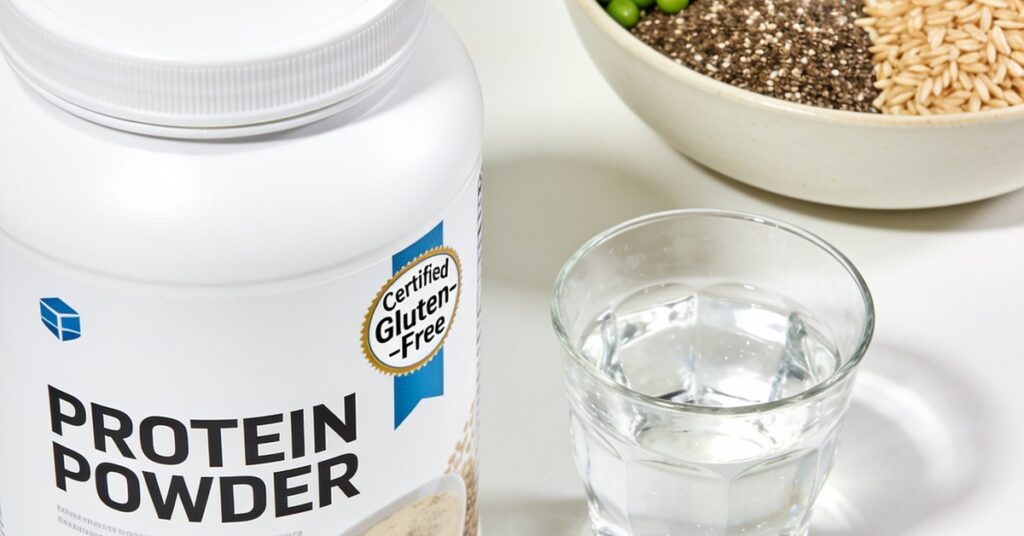
Verifying a gluten-free claim requires looking for objective, third-party certification symbols rather than relying solely on marketing buzzwords found on the front of the packaging. A „gluten-free” claim legally means a product contains fewer than 20 ppm of gluten, but for patients with high sensitivity, seeking out more rigorous standards provides an essential extra layer of security for your long-term digestive health. Relying on a Gluten Free Protein Powder that lacks these specific certifications is a gamble that simply is not worth taking when your intestinal graft function is at stake. Always check for the Crossed Grain Symbol as a sign of high-quality assurance, and remember that gluten-free certification is your best shield against accidental ingestion of harmful grains.
| Certification Type | Safety Threshold | Best For |
|---|---|---|
| Standard „Gluten-Free” | < 20 ppm | General population |
| GFCO Certified | < 10 ppm | High sensitivity/Transplant patients |
| Manufacturer COA | Varies (Batch Specific) | Total transparency |
Interpreting Certification Symbols and Standards
The most reliable way to identify safe products is to look for the Coeliac UK Crossed Grain symbol or the GFCO seal. Whilst the legal threshold is 20 ppm, GFCO certification is particularly valuable because it requires gluten thresholds to be maintained below 10 ppm. For the highest level of assurance, you can contact manufacturers directly to request a Certificate of Analysis (COA), which provides scientific proof of the testing conducted on specific production batches. This level of verification is the gold standard for anyone who cannot afford the risk of accidental exposure during their recovery. When you choose a product with third-party certification, you are buying peace of mind for your sensitive stomachs and ensuring that your protein source is truly free of harmful contaminants.
Selecting Safe Whey Protein and Plant-Based Options
Choosing safe protein sources involves understanding the inherent properties of your supplement base and ensuring the final product remains uncontaminated during the flavouring and packaging stages. Whether you are opting for dairy-based or plant-based proteins, the key to safety lies in the purity of the raw ingredients and the manufacturing protocols of the brand you select. It is worth remembering that the complexity of modern food processing means that even a simple ingredient like whey protein can be compromised if the production line is not dedicated to gluten-free manufacturing. Focus on naturally gluten-free sources to simplify your choices, and consider whether you need digestive enzymes added to your powder to further assist with absorption in a recovering gut.
The Reality of Whey and Casein
Pure whey protein is naturally gluten-free as it is a byproduct of milk and cheese, and forms such as whey concentrate, isolate, and hydrolysate are inherently safe before they undergo processing. However, risks arise if the factory processes wheat, barley, or rye on the same lines, or if the manufacturer adds grain-derived thickeners and artificial flavourings. Even casein-based supplements can carry risks if they are not labelled appropriately. If the label does not explicitly mention gluten status for that exact batch or flavour, it is far better to skip it than to risk a flare-up of your digestive issues. Look for unflavoured, naturally sweetened options to reduce the number of unknown additives in your diet, ensuring you get the essential amino acids you need without the filler.
Vegan Protein and Plant-Based Alternatives
Vegan protein powders can be an excellent, safe alternative for patients, provided they are made from single-ingredient sources like pea, rice, hemp, or soy. Post-transplant recovery is a journey, and managing your nutrition is a huge step toward getting back to normal life; in my experience, sticking to brands that provide batch testing is the best policy. Pea protein is often highly digestible and provides a complete amino acid profile necessary for muscle recovery after a training session. Brands such as Protein Works, Myprotein, and Purition are frequently cited as reliable options for those needing a clean, plant-derived graft function support. Whether you choose cacao or vanilla, ensure the sweetener used is also gut-friendly and provides a high-quality experience for your post-workout routine.
Nutritional Benefits of Certified Gluten-Free Protein
Certified gluten-free protein powders provide a safe way to meet your daily protein intake requirements, ensuring you receive the necessary essential amino acids for tissue repair without the risk of an inflammatory response. By consistently choosing certified products, you exclude harmful ingredients like malt and maltodextrin, allowing your gut to focus on healing rather than managing the side effects of gluten. When you find a product that works, it becomes an integral part of your wellness toolbox, helping you hit your protein goals while keeping your inflammation markers as low as possible. Whether you use a clear protein, clear whey, or a creamy shake, always prioritize high-quality manufacturing to ensure your supplementation strategy remains effective and safe.
Important: Always consult your transplant team or dietitian before adding any new supplement to your routine, as your specific daily calorie target and protein needs may vary based on your current recovery phase. Supplements like collagen or peptides should also be vetted for potential cross-contamination before inclusion, as these can sometimes be processed in facilities that handle wheat or other grains.
Frequently Asked Questions
Is maltodextrin always a source of gluten?
Whilst maltodextrin can be derived from wheat, it is often produced from corn in many protein supplements. If the source is not clearly specified as corn, it is safest to avoid it unless the product carries a certified gluten-free label.
Can I safely consume products with natural flavourings?
You should exercise caution, as natural flavourings can sometimes be derived from barley or other gluten-containing grains. If a product is not certified gluten-free, it is generally safer to choose unflavoured, pure protein isolates to minimise risk.
Why are processed in a facility warnings a red flag for transplant patients?
Even if a protein powder contains no gluten ingredients, shared machinery can lead to cross-contamination, which poses a severe risk to someone with an intestinal transplant or severe coeliac disease. For these patients, even trace amounts of gluten are enough to trigger systemic reactions.
Which plant-based brands are suitable for sensitive guts?
Brands like EXALT, Vilgain, and Free Soul are popular choices because they focus on clean, plant-based formulations such as pea and hemp isolates. Always verify the current label and check for third-party certification before incorporating a new brand into your post-transplant diet.
Selecting a high-quality Gluten Free Protein Powder is a vital step in protecting your intestinal health and ensuring your recovery remains on a stable, symptom-free path. Always prioritise products with clear, third-party certification to give yourself the peace of mind that your nutritional intake is truly safe.