For patients navigating the complexities of intestinal recovery or post-transplant life, identifying high-quality, easily digestible protein sources like chicken is a fundamental step in supporting long-term nutritional stability. In this guide, you will discover the precise nutritional value of 100g of chicken, including how various cooking methods influence nutrient absorption and digestive comfort. By understanding these practical values, you can better tailor your daily intake to meet your specific healing needs with confidence and clarity, as chicken is naturally a cornerstone of a balanced recovery diet.
At its core, a 100g portion of cooked chicken breast serves as an excellent, low-fat source of lean protein, typically providing approximately 31 g of protein and 165 calories. This specific 100-gram portion size is often recommended by a clinical dietitian for patients in recovery because it offers a significant nutritional boost without placing an excessive burden on the digestive system. Ever wondered if this fits into your recovery plan? With 0g of carbohydrates and a glycemic index of 0, it is a stable, reliable fuel source that avoids the blood sugar levels fluctuations often associated with more complex meal structures. Understanding the nutritional value of 100g of chicken provides the clarity needed to build a sustainable menu that respects your unique physiological limits while providing enough energy for daily activities.
Nutritional value of 100g chicken
Macronutrient Profile
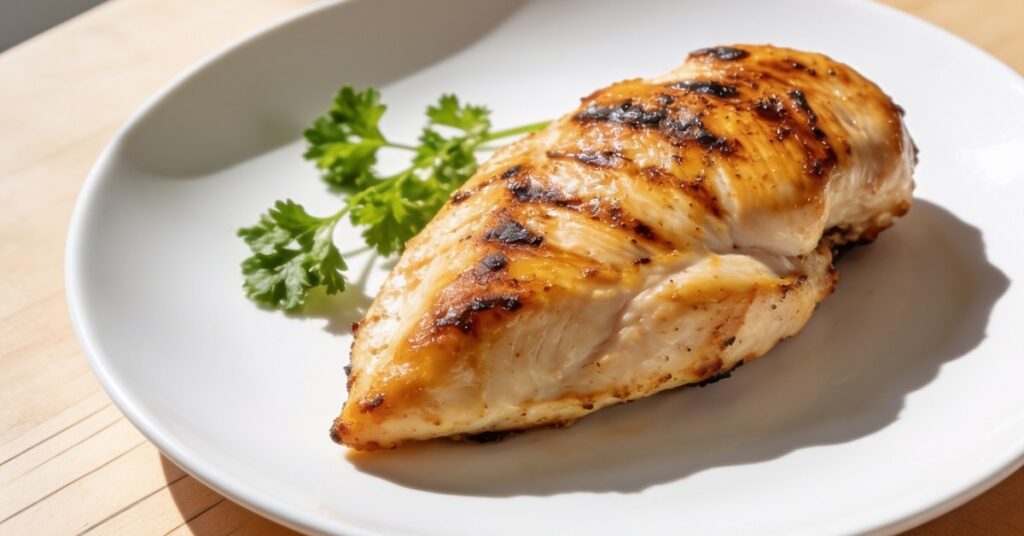
A standard 100-gram portion of cooked, skinless chicken breast typically delivers roughly 165 calories. It is an excellent source of lean protein, containing approximately 31 grams, with a minimal fat content of about 3.6 grams. Carbohydrates are absent in this serving size.
Micronutrients and Mineral Content
Beyond its primary macronutrients, chicken breast provides essential vitamins and minerals that support metabolic health:
- Vitamin B6: 0.6 mg
- Potassium: 343 mg
- Phosphorus: 241 mg
- Iron: 0.6 mg
Variation in Nutritional Data
Caloric and fat values can fluctuate slightly depending on the specific cut and preparation method. While most sources cite approximately 165 kcal per 100 grams, some analyses indicate values ranging from 157 kcal to 165 kcal, with total fat levels typically staying below 4 grams. Saturated fat content is generally low, often recorded at around 1 gram per serving.
Common Serving Contexts
Understanding portion sizes is useful for dietary planning. Common servings may include:
- A 100-gram standard portion (cooked weight).
- Single small pieces post-cooking with bones removed.
- Small slices, usually measuring approximately 5 cm by 4 cm by 0.6 cm.
Comparative Nutrient Analysis of Chicken Breast and Other Cuts per 100g
When choosing between chicken breast and other cuts like the drumstick or chicken legs, the primary difference lies in their fat content and micronutrient density, which directly impacts how your body processes these nutrients. Post-transplant recovery is a journey, and managing your nutrition facts is a huge step toward getting back to normal life; in my experience, keeping it simple with skinless, white meat cuts makes the process much smoother. While both options are low in carbohydrates, the amount of calories and saturated fat profiles differ significantly, which is a critical consideration for those managing intestinal health or post-surgical malabsorption. Compared to beef and pork, poultry is often cited by the USDA as a more digestible option for those with sensitive guts.
| Nutrient (per 100g) | Chicken Breast | Chicken Thigh |
|---|---|---|
| Calories | 120–165 kcal | 144–210 kcal |
| Protein | 22–31g | 24–27g |
| Fat | ~3g | 6–9.5g |
Understanding the Protein Content in Chicken and Micronutrient Profiles
While various cuts are excellent sources of protein, they offer different micronutrient advantages. The breast contains high levels of niacin (vitamin B3) and phosphorus, essential for cellular energy production and bone health. Conversely, chicken drumsticks and dark meat thighs are superior sources of iron, zinc, and b6, which are crucial for maintaining healthy blood cell counts and immune health. Selecting the right cut depends on your blood panel results and the specific advice provided by your surgical team regarding your ongoing nutritional requirements, as chicken protein provides essential amino acids necessary for tissue repair.
Impact of Preparation on Chicken Breast Nutrition and Calorie Density
The method you use to prepare your chicken fundamentally changes its final nutritional profile and digestibility. During the cooking process, the meat typically loses 20% to 30% of its water weight, which naturally concentrates the protein content from roughly 22g in its raw chicken state to between 31g and 33g per 100g once cooked. Because of this water loss, the energy density increases, moving from approximately 120 kcal when raw to 165 calories per 100g for the finished product. This transformation is vital to track when calculating your daily protein intake as you navigate the recovery phase, as leanest preparations ensure you maximize protein per serving.
Recommended Preparation Steps for a Source of High-Quality Protein
- Consult your dietitian to confirm the appropriate portion size for your current graft function.
- Remove all chicken skin and visible fat before cooking to keep the dish light and easy to digest.
- Opt for gentle cooking methods like poaching or roasting instead of high-heat grill or frying.
- If you use a marinade, ensure it is low in fat and free from irritants that could affect your overall health.
- Keep a food diary to monitor how your body reacts to different types of chicken meat.
Grilled Versus Fried Meat and the Nutritional Value of 100g Chicken
Grilled chicken breast is the most nutritionally sound choice for digestive recovery, maintaining a lean profile of 31 grams of protein and 3.6g of g of fat per 100g. In contrast, fried, breaded chicken is significantly more taxing on the gut, containing 297–307 calories in chicken breast, 18.8g of higher fat content, and 16.3g of carbohydrates. The added fat and simple carbohydrates in fried versions can trigger digestive distress or delayed gastric emptying in patients with sensitive intestines, making simple grill techniques a much safer, more predictable option for your daily menu. Remember, chicken is naturally a heart-healthy food when prepared without excess oil.
Important: Always avoid deep-fried or heavily breaded options, as the high fat compared to little fat in grilled versions can trigger digestive distress or delayed gastric emptying in patients with sensitive intestines. This is an excellent choice for people recovering from surgery who need to focus on protein intake that supports muscle growth.
Frequently Asked Questions
Does the cooking method affect the vitamin retention in chicken?
Yes, cooking techniques significantly influence the availability of the vitamins and minerals present in your meal. Grilling over an open flame can lead to a degradation of up to 40% of B-complex vitamins, while boiling or poaching can cause water-soluble nutrients like niacin and b6 to leach into the cooking liquid.
Are chicken wings as healthy as breast meat?
While chicken wings are a palatable option, they generally have a higher proportion of protein to fat ratio that is less favorable than the breast. They are a source of high-quality protein but should be consumed in moderation, especially if you are monitoring your total fat intake for digestive health and heart health.
How does the nutritional value of 100g chicken change with the skin on?
Retaining the chicken skin significantly increases the caloric density, often pushing the value over 200 kcal per 100g due to the higher fat content. For patients with a sensitive gut, this extra fat can be harder to digest and may contribute to discomfort or malabsorption issues, so opting for skinless is usually safer.
Is 100g of chicken enough for daily protein targets?
A 100g portion provides approximately 31 grams of protein, which is an ideal for muscle recovery and an excellent choice for people meeting their daily protein intake. However, you should always verify your specific dietary targets with your clinical dietitian to ensure that your meal choices align with your current recovery trajectory and daily value requirements.
Prioritising skinless, gently cooked chicken provides the high protein content your body needs for recovery while keeping digestive stress to an absolute minimum. Always tailor your portion sizes to your clinical team’s recommendations to ensure your nutritional value of chicken intake perfectly supports your journey toward lasting intestinal health.