Navigating the complexities of post-transplant nutrition or chronic digestive recovery requires a careful balance between enjoying variety and prioritising gut-safe, nutrient-dense choices. In this article, I break down the Doner Kebab Nutrition reality, explaining how their high fat and sodium levels may impact your digestive health and providing practical, safer alternatives to enjoy at home. By understanding the ingredients and composition, you can make informed decisions that respect your body’s unique requirements during your recovery journey.
The nutritional profile of a typical takeaway doner kebab is generally unsuitable for individuals with sensitive digestive systems or those recovering from intestinal surgery due to excessive caloric density, high fat content, and significant sodium levels. A single takeaway portion, including pitta, salad, and sauce, typically ranges from 700 to 1,000 calories, which can represent up to half of a person’s daily energy requirement in just one meal.
Doner Kebab Nutrition
Nutritional Profile of a Typical Doner Kebab
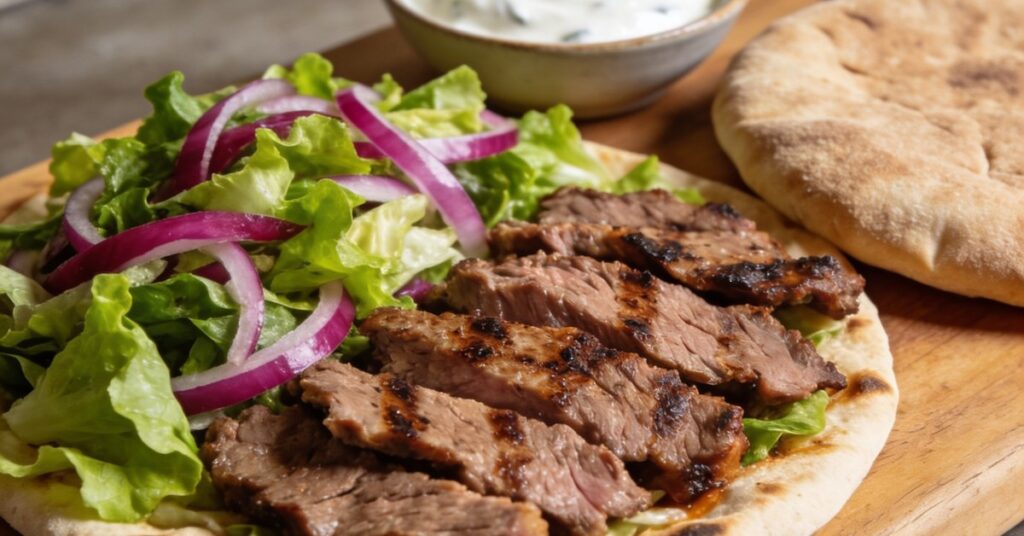
A standard takeaway doner kebab served in pitta bread accompanied by salad typically provides between 700 and 1,000 calories. It serves as a significant source of protein, ranging from 35g to 50g, though it is also notably high in sodium and fat content. On average, a 400g portion consists of 50% meat, 22% pitta bread, and 28% fresh salad.
Research and Health Considerations
Scientific analysis, including studies dating back to 2009, highlights that these kebabs often feature elevated levels of saturated fats, salt, and caloric density. When evaluating the overall health impact, experts suggest that while they can be enjoyed in moderation, they are considered to be very calorie-dense.
Typical Nutritional Breakdown
Below is a general overview of the macronutrients found in a standard serving:
- Calories: 700–900 kcal
- Protein: 35–50g (supports muscle maintenance)
- Fat: 35–70g (varies depending on whether the meat is lamb, beef, or chicken)
- Carbohydrates: 40–60g (primarily derived from the pitta bread)
- Sodium (Salt): 900–2,000mg (considered a very high intake)
Factors Influencing Calorie and Fat Content
The nutritional value of your meal can fluctuate significantly based on several key choices:
- Meat Selection: Chicken doner options are generally leaner, containing fewer calories and lower fat levels compared to traditional lamb or mixed meat varieties.
- Sauces: Opting for creamy garlic mayonnaise or generous portions of chili sauce can contribute an additional 200 to 400 calories. Selecting no sauce or a simple hot chili sauce is a more waistline-friendly alternative.
- Portion Composition: Increasing the ratio of salad—such as lettuce, cabbage, and tomatoes—helps incorporate more vitamins and dietary fibre into the meal.
- Accompaniments: Adding chips to a doner kebab significantly impacts the nutritional profile, potentially raising the energy content to 1,325 calories per serving, which equates to roughly 66% of the recommended daily intake for an average adult.
Frequently Asked Questions
Is a doner kebab considered healthy? When consumed in moderation, it can fit into a varied diet. However, due to its high density of calories and salt, it is best treated as an occasional treat rather than a dietary staple. Choosing leaner meats and limiting heavy, calorie-laden sauces are effective strategies for those looking to enjoy a kebab more mindfully.
The Nutritional Profile of Doner Kebab Meat and Meal Intake
A standard 400g serving of a takeaway kebab is composed of approximately 50% meat, 22% pitta bread, and 28% salad, resulting in a macronutrient profile that challenges the digestive system. Ever wondered if your favourite weekend treat fits into your recovery plan? The data below highlights why you should think twice before hitting the local takeaway when considering Doner Kebab Nutrition facts:
| Component | Typical Value (per serving) |
|---|---|
| Calories | 700–1,000 kcal |
| Fat | 45–55g |
| Protein | 35–45g |
| Sodium | 900–1,200mg |
Macronutrient Breakdown and Sodium Intake
The sodium content in shop-bought kebabs is a critical concern, often exceeding 1,000mg per serving, with some extreme samples containing up to 16.5g of salt. This excessive salt intake can lead to fluid retention and electrolyte imbalances—factors that are particularly hazardous for transplant recipients who must strictly manage their cardiovascular and renal health.
Health Benefits of Doner Kebab and Digestive Risks
Doner kebabs are frequently classified as unhealthy for patients with gastrointestinal limitations because they often contain high levels of trans fats and saturated fats that can trigger malabsorption or discomfort. Data from the Hampshire County Council revealed that 60% of tested kebabs were high in trans fats, and some large portions can contain up to 140g of fat—double the maximum daily recommendation for women—which poses a significant burden on the digestive tract.
Important: Always consult your transplant team before making major diet changes, as your specific graft function and medication schedule may necessitate a more restrictive approach to dietary fat.
Meat Quality and Food Additives in Doner Kebab Meat
Commercial kebab meat is often a highly processed product that relies on mechanical separation and various additives to achieve its characteristic texture. Manufacturers frequently use a blend of 60% mechanically separated chicken, 20% beef, and 5% lamb, incorporating fillers like rusk, soya protein, and breadcrumbs to bulk the product. Furthermore, additives such as flavor enhancers, MSG, and the anti-caking agent E535 are standard in these mixtures, which may be problematic for those with food sensitivities or those needing to avoid processed chemical additives.
Comparative Analysis of Daily Intake and Diet
When evaluated against other common takeaway options, the doner kebab remains a dense source of fat and calories that often outperforms other fast foods in terms of total energy load. In my experience, post-transplant recovery is a journey, and managing your nutrition is a huge step toward getting back to normal life; knowing exactly what is on your plate is half the battle won.
Preparing a Healthy Kebab Meal with Pita and Salad
You can enjoy the flavours of a kebab while ensuring digestive safety by preparing it at home using lean, high-quality ingredients. By mastering Doner Kebab Nutrition in your own kitchen, you effectively bypass the hidden additives found in commercial cones.
- Use 500g of lean 5% fat beef or lamb mince.
- Mix with grated onion, Greek yogurt, and olive oil.
- Season with smoked paprika, garlic powder, onion powder, cumin, salt, and pepper.
- Blend until smooth and roll into a log using parchment paper.
- Bake at 180°C for 25 minutes for an optimal cooking time.
Frequently Asked Questions
Can I track my daily intake of sugar when eating a homemade wrap?
Yes, you can easily track sugar by preparing your own yogurt-garlic sauce, which avoids the hidden refined sugars often added to commercial takeaway sauces. Using natural Greek yogurt provides a healthier base without the artificial sweeteners found in store-bought condiments.
Is the salad served with a kebab sufficient for my dietary fibre needs?
While the lettuce, tomato, and onion in a standard takeaway salad offer some fibre, they are often insufficient to counteract the high fat content of the meat. I recommend supplementing your meal with a larger side of fresh vegetables to better support your gut health and digestion.
Should I avoid pitta bread if I am managing my carbohydrate intake?
If you are monitoring your carbohydrate load, you can opt for a whole-wheat pitta or simply serve the meat and salad in a bowl to reduce the refined starch intake. This adjustment helps keep your blood glucose levels more stable during the recovery period.
How does the fat content in doner kebab meat affect long-term graft health?
High saturated fat intake can contribute to systemic inflammation and cardiovascular stress, which are factors that transplant teams monitor closely. Maintaining a low-fat, whole-food approach is essential for protecting your long-term health and ensuring the stability of your transplant.
Opting for a homemade version allows you to control fat and salt levels, keeping your digestive system stable and stress-free. Prioritising lean, high-quality ingredients is the most effective way to enjoy your favourite flavours while staying fully committed to your recovery journey.