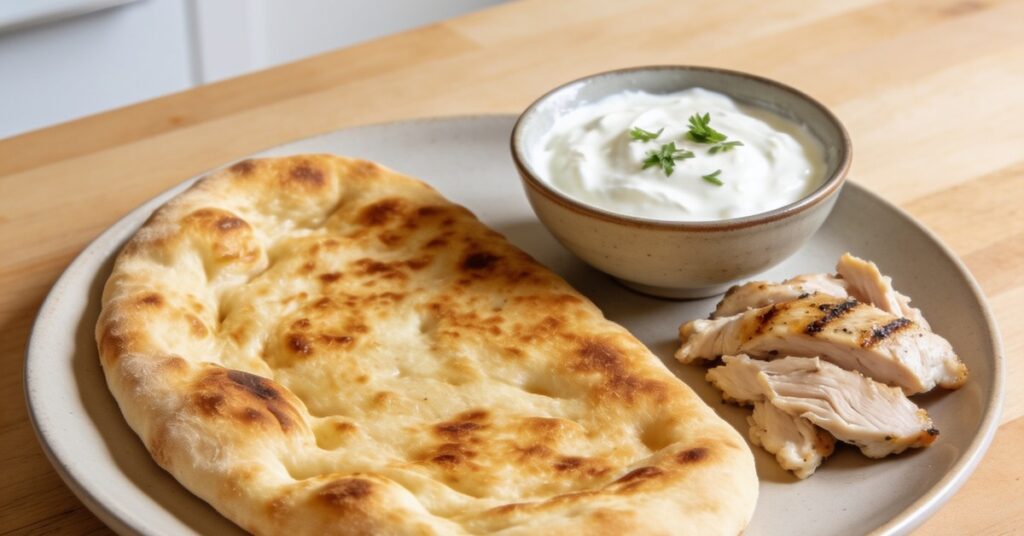
Navigating dietary choices after intestinal transplantation requires a precise understanding of how common staples like naan impact your digestive stability and blood glucose management. In this article, you will learn the exact Naan Nutrition Facts, helping you to assess its place in a post-transplant diet and identify safer, more manageable serving strategies. We provide evidence-based insights to help you prepare your meals with confidence, ensuring your nutrition supports your long-term recovery and intestinal health.
A standard 90g serving of plain naan typically contains approximately 262 calories, 5.1g of fat, 45.4g of carbohydrates, and 8.7g of protein. This popular flatbread also provides 2g of dietary fibre and contains 418mg of sodium, with 3.2g of sugars per portion. For those monitoring their intake, it is vital to recognise that takeaway portions are often substantially larger, reaching 175g and providing up to 499 calories and 14g of protein, which can significantly alter your daily nutritional targets.
Naan nutrition facts
Nutritional Profile of Standard Naan Bread
A typical portion of plain naan bread, weighing approximately 90g, generally provides the following nutritional values:
- Calories: 260–262 kcal
- Total Carbohydrates: 45g
- Protein: 8g to 9g
- Total Fat: 5g
- Sodium: ~420mg
- Dietary Fibre: 1g to 2g
- Total Sugars: 3g
Key Components and Health Considerations
Naan is a leavened, chewy flatbread often prepared with yoghurt or ghee, which contributes to its higher protein and fat profile compared to basic flatbreads. When produced with enriched wheat flour, it serves as a source of essential micronutrients, including B vitamins and iron, which assist in energy metabolism and general nervous system function.
Variations in Serving Sizes and Ingredients
Nutritional content can fluctuate significantly depending on the recipe, brand, or serving size. It is important to note the following variations:
- Restaurant and Takeaway Portions: These servings are frequently much larger—often reaching 175g per piece—which can lead to an intake of nearly 500 calories, 14g of protein, and higher levels of fat and salt.
- Added Fats: Brushing the freshly baked bread with additional butter or ghee can increase the calorie count by an extra 50 to 100 calories per serving.
- Product Branding: Commercially prepared or refrigerated options may differ in their specific macro ratios; therefore, checking the packaging label is recommended for precise tracking.
Micronutrient Breakdown
Beyond macronutrients, naan can contribute to your daily intake of essential minerals and vitamins:
- Iron: Approximately 3mg per serving, which equates to roughly 16% of the recommended daily value.
- Thiamin (Vitamin B1): A useful contributor to carbohydrate metabolism.
- Niacin (Vitamin B3): Helps support a healthy digestive system.
Nutritional Profile and Macronutrient Breakdown of Naan Bread
The nutritional profile of naan is defined by a high carbohydrate density and moderate protein content, making it a substantial source of energy within a meal. Ever wondered if your favourite takeaway side fits into your recovery plan? The following table compares standard servings to help you gauge the impact on your daily calorie target, providing essential Naan Nutrition Facts for your records:
| Naan Type | Typical Weight | Calories |
|---|---|---|
| Plain Naan (Store-bought) | 90g | 260–300 |
| Garlic Naan | 90g | 300–350 |
| Takeaway Naan | 175g | ~499 |
Carbs and Calories in Naan Bread
Naan has a glycaemic index (GI) of approximately 71, reflecting its potential to cause a relatively rapid rise in blood glucose levels. Each 90g serving contains roughly 45g of total carbohydrates. Because the glycaemic load of one large naan reaches 30–40, it is notably higher than traditional Indian Cuisine staples like roti or chapati, which have a GI of about 52, making those alternatives more suitable for those requiring steadier blood sugar regulation.
Dietary Considerations and Vegan Types of Naan Bread
Traditional naan is generally not suitable for individuals requiring gluten-free or vegan diets due to the use of wheat flour, dairy products, and eggs. In my experience, post-transplant recovery is a journey, and managing your nutrition is a huge step toward getting back to normal life; however, you must be vigilant about hidden ingredients that could affect your graft function. The market now offers specialised options, such as BFree Foods Naan Bread, which is labelled gluten-free, providing a safer alternative for those with specific dietary restrictions.
Adapting Recipes for Health Benefits of Naan
You can create gut-friendly versions of naan at home by using rice flour, tapioca starch, or almond flour to replace wheat. Follow these steps to ensure your homemade version stays within your nutritional boundaries:
- Use protein-rich Greek yoghurt to create a binding, high-moisture dough.
- Incorporate psyllium husk or xanthan gum to replace gluten’s elasticity.
- Stick to plant-based oils if you find dairy-based ghee causes digestive discomfort.
Practical Strategies for Incorporating Naan into a Balanced Diet
Managing your intake of naan is best achieved through portion control and pairing the bread with nutrient-dense, lean proteins to balance your overall meal composition. A standard restaurant piece can contain between 260 and 400 calories; therefore, cutting a piece into halves or quarters is a practical strategy to limit carbohydrate intake without eliminating the food entirely.
Remember: Always consult your transplant team or clinical dietitian before making major diet changes, as individual tolerance for complex carbohydrates can vary significantly during immunosuppression therapy.
Optimising Meal Composition and Nutrition Facts
You can enhance the nutritional value of your meal by following these simple recommendations found within the broader context of Naan Nutrition Facts:
- Pair your portion with grilled chicken, fish, or lentils to slow glucose absorption.
- Use tzatziki or hummus instead of garlic butter to keep your sodium intake in check.
- Substitute all-purpose flour with whole-wheat flour to boost your daily fibre intake.
Carefully managing your portion sizes is the most effective way to enjoy this staple while keeping your recovery on track. You have the strength to navigate these dietary choices, so trust your clinical guidance and take it one balanced meal at a time.
Frequently Asked Questions
Is Naan Bread naturally high in carbs?
Yes, naan is considered to be high in carbs, typically providing around 45 grams per standard 90g serving. This dense carbohydrate content is a primary reason why portion control is essential for those monitoring their blood glucose levels.
How does Naan compare to Pita bread?
Pita bread generally contains fewer carbohydrates, often ranging from 13 to 17 grams per serving, whereas a piece of naan is significantly more calorie-dense. If you are seeking a lighter alternative for your digestive health, pita may be a more suitable choice for your meal plan.
Can I consume Naan if I have specific nutrient absorption issues?
You should consult your transplant coordinator before introducing naan, especially if you have issues with gluten or high-sodium foods. While it is a convenient source of energy, its specific ingredient profile may not align with the strict dietary protocols required for optimal graft function.
Are there low-calorie ways to prepare Naan?
Yes, you can prepare a lighter version at home by mixing self-rising flour with plain Greek yoghurt, which can result in a piece containing only about 113 calories. This method allows you to enjoy the texture of the bread while significantly reducing the overall energy density compared to restaurant versions.