For those navigating the complexities of post-transplant recovery or chronic digestive conditions, understanding the nutritional impact of common foods like French fries is a critical step in managing your long-term health and gut function. This article provides an evidence-based breakdown of how various cooking methods affect the nutrient profile and digestibility of potatoes, offering you the clarity needed to make informed dietary choices. By exploring these insights, you will learn how to balance your personal cravings with the strict nutritional requirements necessary for your ongoing wellbeing.
The French Fries Nutrients profile is highly variable, largely determined by the cooking method and portion size, typically ranging from 196 to 319 calories per 100g. While potatoes themselves provide essential minerals like potassium and vitamins, the process of deep-frying significantly alters their profile, adding substantial amounts of fat and potentially harmful compounds that can complicate digestive health for transplant recipients and those with sensitive guts. Navigating these values requires a sharp eye on how processing changes the inherent quality of the raw ingredient.
French fries nutrients
Nutritional composition of fried potatoes
French fries are characterised by a high density of calories, fats, and carbohydrates, whilst remaining relatively sparse in dietary fibre and protein. On average, a standard 100g portion of deep-fried potatoes from a commercial eatery yields approximately 295 kcal, 15g of fat, and 37g of carbohydrates. Whilst they do provide modest quantities of potassium, vitamin C, and vitamin B6, their overall profile is dominated by energy-dense macronutrients.
Analysis of McDonald’s fries (per 100g)
- Energy: 296 kcal
- Protein: 3g
- Carbohydrates: 37g
- Fat: 15g (including approximately 1.3g of saturated fat)
- Fibre: 3g
- Salt: 0.5g
Factors influencing nutritional value
The method of preparation causes significant variation in the nutritional quality of chips:
- Deep-frying: Commercial preparation involves immersing potatoes in large volumes of oil. This process often doubles or triples the caloric and fat content compared to simple roasted potatoes.
- Oven-baking and Air-frying: Utilising an oven or an air-fryer requires significantly less oil, resulting in a lower fat count whilst retaining the potatoes’ natural carbohydrate content.
Comparative insights
Deep-frying involves substantial oil absorption, whereas air-frying methods use only a minimal amount. Brands such as McCain provide thin-cut options designed to achieve a crisp texture with less reliance on traditional frying methods. Generally, oven-baked chips are viewed as a nutritious alternative when seeking to avoid excesses in calorie density and heavy fats.
Assessing your intake
Determining the precise nutritional value of your meal is achievable through various digital resources. Many fast-food chains provide online calculators on their official websites, allowing consumers to review the exact contents of their orders, including specific details on cholesterol and salt levels. Consulting these databases is a useful practice for those monitoring their dietary consumption.
The Nutritional Profile and Nutrition Facts of Potato Fries
A standard 100g serving of fried potatoes contains approximately 1.9g of protein, 1.6g of fibre, 1.3g of sugar, and 141mg of sodium, alongside 18.5g of carbohydrates. When observing these nutrition facts, it is vital to note that a small 71g serving provides about 222 calories and 2.7g of dietary fibre, demonstrating that even smaller portions can be energy-dense. For patients monitoring their intake, understanding these values is the first step toward integrating such foods responsibly into a recovery-focused diet.
Essential Vitamins and Mineral Content
Potatoes are a surprisingly rich source of micronutrients, providing 421mg of potassium, 9.7mg of vitamin C, 0.265mg of vitamin B6, and 16.3mcg of vitamin K per 100g. They also contribute 1.3mg of niacin, 0.2mg of copper, 24mg of magnesium, and 0.6mg of iron to your daily intake. While these nutrients are beneficial, the bioavailability of these vitamins can be negatively impacted by the high heat used in commercial preparation methods, which is a critical consideration for those with malabsorption issues.
Clinical Implications and Health Risks of Eating French Fries
Frequent consumption of fried potatoes is linked to serious health risks, including a 20% higher risk of type 2 diabetes when consumed three or more times a week. A significant study published in the American Journal of Clinical Nutrition in June 2017, which monitored 4,400 older adults over eight years, further highlighted that eating these foods more than twice a week was associated with a more than doubled risk of death. These findings underscore why individuals with complex gastrointestinal conditions must approach such foods with extreme caution.
The Dangers of High-Heat Processing and Potential Health Impacts
High-heat frying of starchy foods like potatoes produces acrylamide, a chemical compound classified by researchers as a probable human carcinogen. Furthermore, deep-frying in oils creates trans fats and saturated fats that actively raise LDL cholesterol levels, while the high sodium content in takeaway portions often causes fluid retention and contributes to hypertension. For any patient managing intestinal health, these chemical and cardiovascular stressors can exacerbate existing inflammatory responses and complicate recovery paths. Examining French Fries Nutrients through this lens highlights the necessity of avoiding commercial deep-fried options to protect your cardiovascular and metabolic health.
How Cooking Methods and Nutritional Choices Affect Calories in French Fries
The method of preparation is the definitive factor in whether your potato side dish is a source of nutrients or a source of digestive inflammation, as deep-frying can push energy density to 900 kcal/100g. While frying has little impact on the mineral content of the potato itself, it can reduce vitamin C activity by anywhere from 33% to 95%.
| Cooking Method | Fat Content (Relative) | Acrylamide Risk |
|---|---|---|
| Deep-Frying | Very High | High |
| Air-Frying | Low | Low |
| Oven-Baking | Lowest | Minimal |
Comparing Serving Size and How Many Calories are Consumed
Oven-baked or air-fried preparations are significantly healthier, reducing total calorie counts by 30% to 40% compared to traditional deep-immersion frying. Ever wondered if this fits into your recovery plan? Being aware of these distinct categories—small (220–240 kcal), medium (350–380 kcal), and large (500–530 kcal)—allows patients to make more calculated decisions regarding their daily energy balance.
Practical Guidance for Preparing Healthier Potato Fries and Sweet Potato Fries
You can create a much more digestive-friendly version of this classic side dish at home by focusing on controlled preparation and high-quality ingredients. Post-transplant recovery is a journey, and managing your nutrition is a huge step toward getting back to normal life; in my experience, keeping things simple and homemade is the safest bet.
- Use starchy varieties like Russet or Maris Piper for the best texture.
- Leave skins on to retain essential dietary fibre for gut motility.
- Soak strips in ice water for 15–30 minutes to reduce excess starch and improve digestibility.
Refining Your Cooking Technique
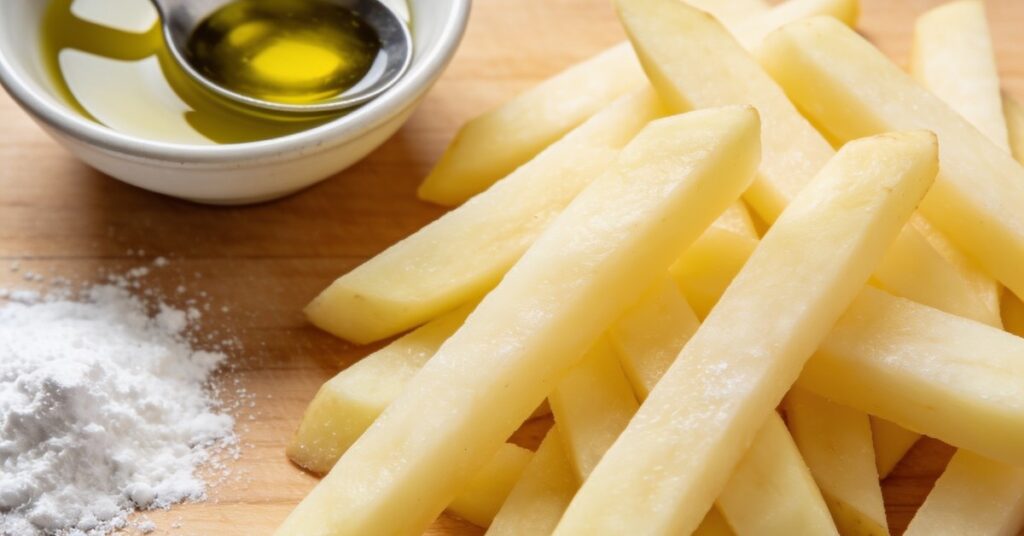
Achieving a satisfying crunch without the health risks of deep-frying is possible by tossing your potato strips in just one tablespoon of healthy oil—such as olive, avocado, or rapeseed—and sprinkling them with a teaspoon of cornstarch. You should bake these at 220°C for 20–30 minutes, or use an air-fryer at 200°C for the same duration, ensuring you shake the basket every 5–8 minutes for even heat distribution.
Remember: Always consult your transplant dietitian before making major diet changes, as your specific graft function and medication schedule may require unique nutritional adjustments. Analyzing French Fries Nutrients at home allows you to bypass the harmful additives found in takeaway versions while still enjoying a familiar comfort food.
Frequently Asked Questions
Are Sweet Potato Fries a safer alternative for gut health?
Sweet potatoes offer higher levels of vitamin A and fibre, which can be beneficial, but they still pose similar risks if deep-fried in inflammatory oils. It is always better to prepare them using baking or air-frying methods to maintain their nutritional integrity.
Is there a hidden allergen risk in commercial potato products?
Yes, many commercially processed fries are coated in wheat-based starches or fried in shared oil vats, which can pose a significant gluten or cross-contamination risk. Always check labels or inquire about the preparation environment if you have specific food sensitivities or allergies.
How does the serving size affect my daily calorie target?
A large portion can easily exceed 500 calories, which may represent a significant portion of your daily energy requirements and lead to unwanted weight gain. Tracking your intake ensures you stay within your prescribed limits to support stable metabolic function post-transplant.
Can I safely consume fries if I have hypertension?
Most commercial fries are heavily salted, which can lead to rapid fluid retention and dangerous spikes in blood pressure. If you have been advised to manage your salt intake, it is best to prepare your potatoes at home without adding extra table salt.
Prioritising air-frying or oven-baking methods significantly mitigates the risks associated with high-heat oil exposure while helping you retain the essential mineral benefits of the potato. Always soak your potato strips before cooking to reduce starch content, as this simple step effectively lowers harmful chemical formation and supports your digestive comfort.