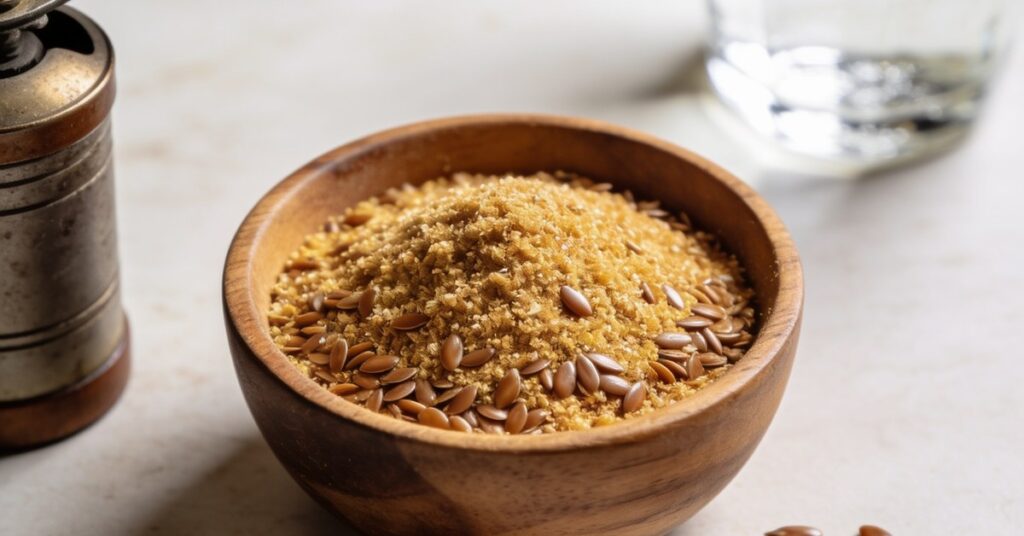
Integrating nutrient-dense superfoods like flax seeds can be a powerful way to support digestive function and cardiovascular health, yet it requires careful navigation for those managing complex intestinal conditions or recovering from a transplant. In this guide, you will learn how to safely prepare and incorporate ground flaxseed into your daily routine to maximise nutrient absorption while minimising the risk of digestive discomfort. By following these evidence-based protocols, you can confidently adjust your intake to suit your specific recovery needs and long-term nutritional goals.
How to eat flax seeds daily
Optimal Daily Consumption
To integrate flax seeds effectively into your diet, aim for a daily serving of one to two tablespoons (roughly 7 to 14 grams). It is essential to consume them freshly ground, as the human digestive system is unable to break down the tough outer hull of whole seeds. Milling them ensures that your body can properly absorb the beneficial nutrients, such as omega-3 fatty acids and lignans.
Recommended Ways to Incorporate Flax Seeds
There are numerous ways to include this superfood in your meals. Here are the most practical methods to enhance your nutrition:
- Breakfast Boosts: Stir a spoonful of milled flax into your morning porridge, hot cereal, or a bowl of natural yogurt.
- Smoothie Blends: Combine a serving with your favourite fruits, vegetables, and protein powders to create a nutrient-dense drink.
- Baking: Incorporate the ground meal into the batter for muffins, pancakes, or homemade bread for an extra fibre kick.
- Savory Dishes: Sprinkle the powder over fresh salads, stir it into hearty soups, or mix it into stews and dals.
- Egg Substitute: In vegan baking, you can replace one egg by mixing one tablespoon of milled flax with three tablespoons of water.
Preparation and Storage Tips
Since ground flax seeds can oxidise and lose their freshness quickly, follow these best practices:
- Grind in Small Batches: Use a dedicated coffee or spice grinder to mill your seeds immediately before consumption.
- Proper Storage: While whole seeds can be kept in the pantry, ground flax should be stored in an airtight container within the freezer to prevent rancidity.
- Hydrate Well: Because flax seeds are exceptionally high in dietary fibre, ensure you drink plenty of water throughout the day to support healthy digestion.
Key Nutritional Considerations
The primary health advantage of flax seeds lies in their fibre content and natural compounds like lignans, which assist in balancing oestrogen levels, potentially offering relief for those managing PMS. While there is no scientifically proven „perfect” time to eat them, the most critical error is failing to include them in your diet at all. Experts generally prefer ground seeds over flaxseed oil, as the oil lacks the beneficial fibre that aids in blood sugar management.
Getting Started with How To Eat Flax Seeds Daily and Preparation Essentials
The most effective way to address How To Eat Flax Seeds Daily is to consume them in their ground form, aiming for a daily intake of 1 to 2 tablespoons (7 to 14 grams). Whole flaxseed is protected by a hard, fiber-rich shell that the human digestive system cannot break down, meaning they will pass through your body largely undigested and deny you their nutritional benefits. To prepare them properly, use a standard coffee or spice grinder to crush the whole flax seeds into a fine powder, which makes the nutrient bioavailable and easier for the gut to process.
Once you have ground your seeds, proper storage is critical. To stay on top of your game, follow these storage rules:
- Whole flaxseed: Store in a cool, dark cupboard (up to one year) or a fridge (up to three months).
- Ground flax: Always keep in a sealed, airtight container in the fridge or freezer.
- Pro-tip: Never thaw and refreeze ground flax; it ruins the quality of those healthy fats.
Optimising Digestive Tolerance and Absorption of Ground Flax Seeds
You can digest flax seeds safely and maximise nutrient absorption by starting with a small amount—just one teaspoon per day—and gradually increasing your intake as your stomach adjusts to the additional fiber. This slow introduction is particularly vital for individuals with sensitive digestive tracts, as it helps prevent sudden changes in bowel regularity or comfort. By milling the seeds, you bypass the tough outer shell, ensuring your system can access the essential nutrient contained within the kernel, which is the most reliable method when you are considering How To Eat Flax Seeds Daily without causing unnecessary intestinal distress.
Hydration Strategies When You Eat Flax Seeds
Drinking at least 150ml of water for every single tablespoon of ground flax you consume is essential to ensure the fibre moves smoothly through your intestinal tract. Without adequate hydration, you risk digestive complications such as bloating or cramping. Ever wondered if this fits into your recovery plan? In my experience, keeping a simple hydration log can make a world of difference when you are trialling new foods, as it allows you to correlate your fluid intake with your overall comfort levels during the recovery phase.
Health Benefits Of Flaxseed and Nutritional Profile
Eating 1 to 2 tablespoons of ground flaxseeds daily provides a robust nutritional profile. To help you understand what you are getting in that scoop, I have broken down the typical values below:
| Nutrient/Metric | Amount per Tablespoon |
|---|---|
| Weight | 7 grams |
| Calories | 37 kcal |
| Polyunsaturated Fats | 2 grams |
These seeds are a rich source of lignans and provide alpha-linolenic acid (ALA), an omega-3 fatty acid which supports heart health and helps manage LDL cholesterol levels. Their unique combination of protein and soluble fibre also assists in glucose management and blood sugar levels, making them a solid addition to your nutritional toolkit. Whether you are dealing with post-transplant recovery or simply managing your general digestive wellness, this profile offers a high return on investment for your daily caloric budget.
Ways To Use Flax And Adding Flaxseed To Your Diet
The best way to incorporate ground flax into your daily meals is to treat them as a versatile, nutrient-dense topping. Because they have a mild, nutty flavour, they do not overpower your food, making them an excellent candidate for both sweet and savoury applications. It is genuinely surprising how easily a single tablespoon can be hidden in your favourite meals, providing a nutritional boost without altering the texture or taste profile of your breakfast, lunch, or dinner.
Practical Culinary Applications
- Breakfast: Stir into hot oatmeal or cold cereal.
- Smoothies: Blend into protein shakes for a nutritional boost.
- Baking: Use as an egg substitute (1 tbsp flax + 3 tbsp water) in your favourite muffin recipe.
- Cooking: Use as a binder in meatballs or veggie patties instead of breadcrumbs.
Safety Precautions and Benefits Of Eating Flax
While flax seeds are beneficial, be aware that they can lead to digestive side effects if you are not accustomed to high-fibre foods. Post-transplant recovery is a journey, and managing your nutrition is a huge step toward getting back to normal life, but always keep your medical team in the loop regarding new dietary additions. If you notice persistent abdominal cramping or unexpected changes in your bowel movements, it is a clear sign to pause your intake and consult your dietitian before resuming your routine.
Important: Because flax seeds contain phytoestrogens and can influence blood clotting, always consult your transplant team before making major diet changes, especially if you are on specific medications. The high fibre content can also slow the absorption of certain drugs, so spacing your flax consumption away from your medication times is a smart, proactive strategy for anyone navigating the complexities of post-transplant life.
Proper Storage For Freshness and Quality
To keep flax seeds fresh, store whole seeds in a glass mason jar in a cool, dark cupboard for up to three years. Once milled, ground flax meal should be kept in the refrigerator or freezer to maintain its quality for up to six months. If you purchase pre-packaged meal, it generally remains shelf-stable for one year from the date of packaging, provided the seal remains intact. Keeping your supply in a cold, dark environment prevents the oxidation of essential fatty acids, ensuring that you are consuming a product that is truly beneficial rather than one that has turned rancid during storage.
Can You Eat Flax Seeds Raw Or Cooked?
You can safely eat flax seeds both raw and cooked, provided you stick to the recommended daily intake of 1 to 3 tablespoons and ensure you are using ground seeds. When cooking, baking at temperatures below 180°C does not destroy the essential omega-3 fatty acid, allowing you to enjoy them in muffins or bread without losing their value. Whether raw or baked, the requirement for 150ml of water per tablespoon remains the same to support healthy digestion. The versatility of flax means you are never tied to a single way of eating them, allowing for a diverse and engaging nutritional experience throughout your recovery.
Frequently Asked Questions
Can I eat flax seeds if I have a history of intestinal surgery?
Always consult your transplant team or specialist dietitian before starting, as they will determine if the fibre content of flax is appropriate for your specific stage of graft function. They can provide tailored advice on how to integrate these seeds safely while avoiding potential blockages.
Do flax seeds interfere with my immunosuppressant medication?
Yes, the high fibre content in flax seeds can potentially affect the absorption of oral medications, including immunosuppressants. It is best to consume flax at least two hours apart from your medication to ensure optimal drug efficacy.
Is it necessary to use a specific grinder to process flax?
You do not need a fancy tool; a simple coffee or spice grinder is perfectly adequate to break the shell and access the nutrient within. The goal is simply to achieve a fine, consistent meal rather than leaving large, whole pieces that will pass through your system untouched.
Are there any specific Mayo Clinic guidelines I should follow?
The Mayo Clinic generally supports the inclusion of ground flaxseed for its heart-healthy fats and fibre, provided it is introduced gradually. Always align their general wellness advice with the specific dietary protocols provided by your own transplant centre for maximum safety.
Always prioritise grinding your seeds immediately before use or storing them frozen to preserve the delicate nutritional oils vital for your recovery. Remember that pairing every spoonful with plenty of water is the simplest, most effective way to keep your digestive system comfortable and healthy.