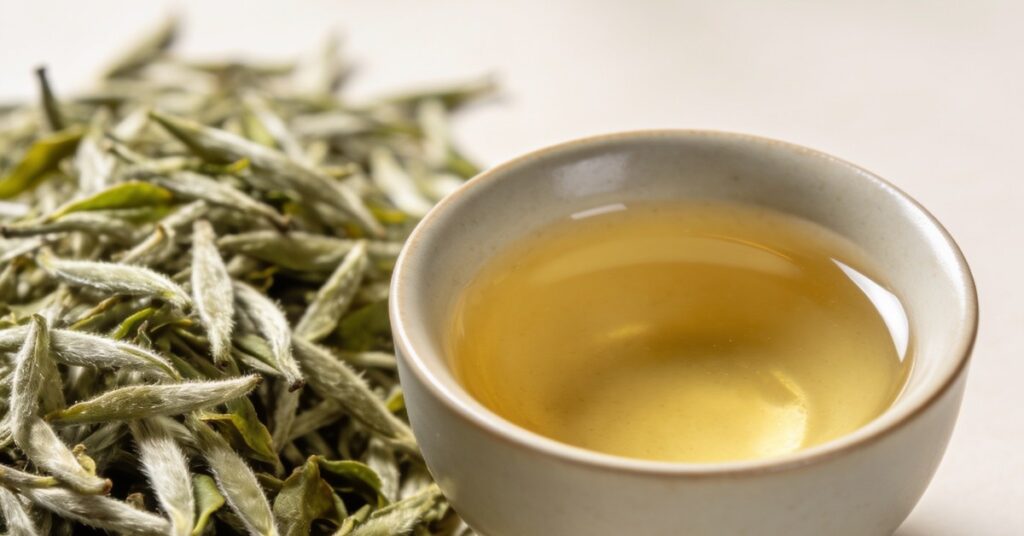
For patients navigating the complexities of intestinal transplantation and chronic digestive recovery, choosing beverages that support systemic health without compromising gut stability is a vital part of daily management. This article provides a clinical, evidence-based overview of the potential White Tea Benefits and physiological impacts of this beverage, offering clear guidance on safe consumption and preparation tailored to your specific dietary needs. You will learn how to integrate this antioxidant-rich option into your recovery plan while remaining mindful of caffeine sensitivity and nutrient absorption considerations.
White tea benefits
The Nature of White Tea
White tea is derived from the Camellia sinensis plant, sharing the same origin as green and black teas. However, it remains the least processed variety, being harvested from the youngest shoots. This minimal intervention, involving solely withering and drying, preserves the delicate leaf hairs—known as hao—and maintains a light, floral profile while keeping natural bioactive compounds intact.
Key Nutritional Advantages
Due to its gentle production method, white tea is exceptionally rich in antioxidants. It serves as a potent source of polyphenols and catechins, which are essential for neutralising free radicals and reducing systemic inflammation within the body.
Primary Health Rewards
- Cardiovascular Support: Regular consumption can assist in improving blood circulation and regulating cholesterol levels, which may help decrease the risk of developing heart disease.
- Oral Health Preservation: The inclusion of fluoride, tannins, and catechins helps to inhibit bacterial growth and fortify tooth enamel.
- Weight Management: This tea may aid metabolic function and assist the body in the more efficient breakdown of fats.
- Insulin Sensitivity: Compounds found in white tea may assist in reducing insulin resistance, helping the body to manage blood sugar levels more effectively.
- Nervous System Balance: With a lower caffeine content compared to green or black alternatives, it offers a milder stimulant effect.
Considerations on Consumption
While tea is frequently lauded for aiding weight loss, this process occurs through specific biological mechanisms that support metabolic activity. Furthermore, because white tea undergoes so little processing, it retains a superior concentration of the healthy compounds that are often lost during the more intensive oxidation stages required for other tea varieties.
Concluding Remarks
White tea stands out for its unique processing, gentle caffeine levels, and high density of protective antioxidants. Whether you are looking to support your heart, protect your teeth, or simply enjoy a delicate beverage with significant nutritional value, integrating this plant-based drink into your daily routine provides a range of scientifically recognised health improvements.
Core Health Benefits of White Tea and Its Antioxidant Properties
White tea primarily supports health by providing a concentrated source of catechins, tannins, and naturally occurring fluoride, which work together to support dental integrity and neutralise harmful free radicals throughout the body. These compounds are essential for patients who may be managing systemic inflammation, as they help form a protective barrier against oxidative stress. Furthermore, the regular consumption of white tea is linked to cardiovascular support, specifically through the relaxation of blood vessels and the active management of cholesterol levels, which is a common priority for those on long-term recovery protocols. Understanding these fundamental White Tea Benefits is key to appreciating why this specific, minimally processed leaf has become a staple for those seeking a gentle yet effective way to bolster their internal health after a major surgical intervention.
How White Tea Is Made and Its Unique Tea Collection
White tea is exceptionally high in antioxidants because it is derived from the Camellia sinensis plant and undergoes the least amount of processing of any tea variety, limited primarily to simple withering and drying. This unfermented state preserves a vast array of polyphenols, most notably Epigallocatechin gallate (EGCG), which N. Sanlier (2018) identified as the most abundant plant polyphenol with powerful activity in this tea. According to research by B. Abiri (2023), this minimal intervention ensures that white tea retains a higher total antioxidant content than other varieties, making it a potent botanical choice for those seeking to bolster their body’s natural defences. When we look at the broader landscape of dietary antioxidants, the unique profile of this tea stands out for its high purity, which is why experts often highlight the White Tea Benefits in antioxidant-rich diet plans for recovering patients.
Impact of White Tea on Heart Disease and Weight Management
White tea facilitates weight management and metabolic health by leveraging the synergistic effects of EGCG and caffeine to stimulate lipolysis and enhance lipid metabolism. As documented by Lee et al. (2019), the specific extracts found in this tea help modulate metabolic syndrome and reduce levels of low-density lipoproteins. Ever wondered if a simple cuppa fits into your recovery plan? For patients who require low-calorie hydration options to replace high-sugar or high-fat beverages, white tea serves as an ideal, physiologically supportive alternative, though it is strictly advised that pregnant or breastfeeding women avoid its consumption. By focusing on the metabolic efficiency provided by these natural compounds, patients can better manage their lipid profiles while maintaining the hydration levels necessary for long-term graft health and overall systemic recovery, which in turn may reduce the risk of heart disease.
Skin Health and Anti-Aging Compounds in White Tea
The polyphenols and EGCG found in white tea provide significant anti-aging benefits by inhibiting enzymes that degrade the skin’s vital collagen and elastin networks. By neutralising free radicals that contribute to pigmentation and the formation of fine lines, white tea acts as a protective agent against environmental damage. Because it is inherently gentle, this tea is suitable for those with sensitive skin types, and its efficacy is so recognised that it is frequently featured as a key ingredient in dermatological products. Maintaining skin health is often a subtle indicator of successful nutritional absorption, and the protective properties of these compounds in white tea may provide a tangible way to support external vitality while you focus on your internal healing processes.
Cardiovascular Longevity and How Drinking White Tea Helps
White tea promotes heart health by improving lipid metabolism and providing robust antioxidant support that prevents the oxidation of low-density lipoprotein (LDL) cholesterol. Research indicates that the specific catechins present are linked to a reduced risk of mortality from heart disease, while the polyphenols assist in widening and relaxing the arteries to facilitate healthier blood flow. Given that regular tea consumption is statistically associated with a lower overall risk of stroke, incorporating white tea into a balanced, heart-conscious diet can be a proactive measure for patients managing long-term vascular health. Strengthening your cardiovascular system is paramount when you are living with a transplant, and the consistent, low-impact support offered by these natural compounds can be a valuable addition to your clinical management strategy.
Comparing Caffeine: White Tea vs Green Tea vs Black Tea
White tea is a relatively low-caffeine beverage, typically containing between 15 and 30 mg per 240 ml cup, though this can range from 6 to 55 mg depending on the specific harvest and brewing style. The following table illustrates how this compares to other common caffeine sources:
| Tea/Beverage Type | Caffeine per 240 ml Cup |
|---|---|
| White Tea | 15–30 mg |
| Green Tea | 20–45 mg |
| Oolong Tea | 30–50 mg |
| Black Tea | 40–70 mg |
| Coffee | 95–120+ mg |
Brewing Techniques to Maximise the Health Benefits of White Tea
Post-transplant recovery is a journey, and managing your nutrition is a huge step toward getting back to normal life; in my experience, sticking to the guidance of the transplant team is the best policy when experimenting with new drinks. To ensure maximum health benefits while keeping the tea gentle on the digestive tract, follow these preparation steps:
- Use 2–3 grams of loose-leaf tea per 240 ml of filtered water.
- Heat water to 70–85°C (160–185°F) to avoid scalding the leaves.
- Steep for 3 to 5 minutes before straining completely.
- If cold brewing, use 3–4 grams of tea per 300 ml of water.
Understanding White Tea Side Effects and Clinical Precautions
While white tea is generally safe, excessive intake can lead to adverse effects including nausea, headaches, insomnia, irritability, and heart palpitations, particularly if the daily caffeine limit is exceeded or if the tea is steeped for longer than 2 to 4 minutes. Patients should also be aware that regular consumption can reduce iron absorption from plant-based foods, which is a significant factor for those already managing malabsorption issues. Navigating these risks requires a balanced approach to your daily intake, ensuring that you do not over-rely on a single source of hydration or antioxidant support. Always track your response to new dietary additions, and if you notice any changes in your digestive comfort, dial back your consumption immediately.
Remember: Always consult your transplant clinical team before adding new herbal or tea-based supplements to your regimen to ensure they do not interfere with your immunosuppression medications.
Frequently Asked Questions
Can I drink white tea if I take immunosuppressants?
You must consult your transplant coordinator before adding white tea to your diet, as certain compounds may interact with the metabolism of specific medications. It is vital to ensure that the caffeine and catechin levels are compatible with your current clinical protocol.
Is white tea better than green tea for digestive sensitivity?
White tea is generally considered milder than green tea due to its minimal processing and slightly lower caffeine content. However, individual tolerance varies significantly among transplant recipients, so monitor your gut response carefully when introducing it.
How often should I reuse tea leaves for infusions?
High-quality white tea leaves can typically be steeped 3 to 5 times to extract different layers of flavour and antioxidants. Ensure you use fresh, filtered water for each subsequent infusion to maintain safety and taste quality.
Does the natural fluoride in white tea affect bone health?
The natural fluoride in white tea is primarily beneficial for enamel strengthening and dental health. It is not present in quantities high enough to significantly impact systemic bone density, which is a common concern for patients on long-term steroid therapy.
Adhering to precise brewing temperatures between 70–85°C is the most effective way to extract beneficial polyphenols while remaining gentle on your digestive system. Please consult your medical team to ensure these additions align perfectly with your individual recovery milestones and immunosuppressive needs.