For patients navigating the complexities of intestinal transplantation or chronic digestive conditions, managing dietary fat is a critical component of ensuring nutrient absorption and minimising post-meal discomfort. This article provides a clinically grounded guide to selecting and preparing Low Fat Meals that support your recovery while maintaining nutritional adequacy. You will find practical, evidence-based strategies to help you confidently manage your diet and improve your daily quality of life.
The Foundations of Healthy Diet and Low Fat Meals
A Low Fat Meals approach is defined by dishes that contain 3 grams of fat or less per serving and ensure that no more than 30% of your total caloric intake comes from fat. For those managing intestinal failure or post-transplant recovery, these targets are essential for reducing the workload on your digestive tract and preventing common issues like bloating, heartburn, and malabsorption. By actively lowering dietary fat from the standard 35–40% range to 15–20%, you can significantly improve your cholesterol profile and reduce LDL-C levels, which is vital for long-term cardiovascular health following major surgery.
Adhering to specific guidelines is a proven way to manage your metabolic markers, such as blood glucose and blood pressure, which are often sensitive in transplant recipients. UK health guidelines recommend that men consume no more than 30g of saturated fat per day, while women should aim for a maximum of 20g. Because fats are energy-dense—containing more than double the calories per gram compared to proteins and carbohydrates—reducing them is also an effective, controlled method for weight management without sacrificing the volume of food you need to feel satisfied.
| Dietary Parameter | Standard Diet | Low Fat Meals Goal |
|---|---|---|
| Fat Intake (% of energy) | 35-40% | 15-20% |
| Saturated Fat (Men) | Higher | ≤ 30g daily |
| Saturated Fat (Women) | Higher | ≤ 20g daily |
Recommended Lean Protein Dish and Fresh Fish Recipe
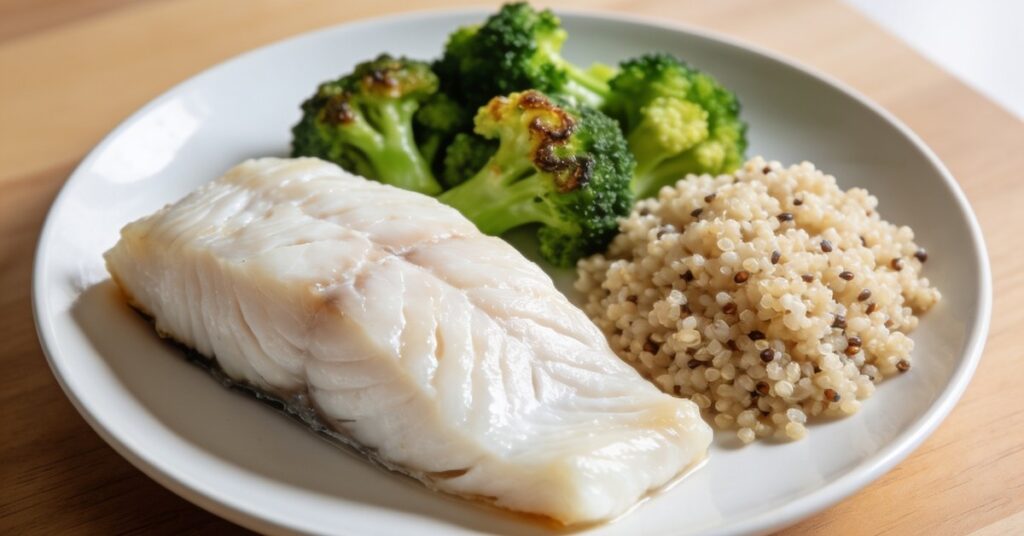
The best protein sources for a sensitive gut are lean, providing high nutritional value without the digestive strain associated with high-fat meats. I recommend prioritising skinless chicken breast, turkey breast, shrimp, and various white fish, as these are naturally low in fat and easier to break down. When selecting white fish, look for varieties such as flathead, hoki, snapper, barramundi, and whiting, which offer excellent amino acid profiles while remaining gentle on your system.
For those looking to diversify their protein intake, plant-based options are highly effective when prepared correctly. A lentil soup is a classic, nutrient-dense choice containing under 3 grams of fat per serving. Similarly, a chickpea spinach curry, prepared with canned chickpeas, fresh spinach, tomatoes, and aromatic Indian spices, offers a hearty meal that is both fibre-rich and satisfying. If you are looking for a vegan option with a slightly longer preparation time, a spinach, sweet potato, and lentil dhal takes approximately 45 minutes to cook and provides a substantial, warming meal suitable for those who tolerate legumes well.
Culinary Techniques for Flavourful Chicken and Ginger Stir Fry
You can make Low Fat Meals taste better by focusing on aromatic layering and precise cooking methods rather than relying on heavy fats like butter or oil. Adding acidity at the end of the cooking process—such as a squeeze of lemon, lime, or orange juice—brightens the flavour profile of any dish instantly. Furthermore, cooking your tomato paste in the pan until it turns dark and thick before introducing liquids creates a rich, complex base that eliminates the need for cream or excess oil.
Practical modifications in your kitchen can transform your recovery diet into a pleasure rather than a chore. Swap full-fat sour cream for plain non-fat Greek yogurt, and replace fatty beef or pork mince with lean turkey breast mince. To retain moisture in your lean cuts of meat, marinate them in yogurt or vegetable broth, and make use of an air fryer to achieve a crispy texture without deep-frying. Finally, do not underestimate the power of herbs like basil, cilantro, parsley, or mint, or the depth provided by smoked paprika, cumin, and curry powder to ensure your food is always flavourful.
Simple Meal Prep for Porridge, Couscous Salad, and Pasta
Effective meal preparation is the key to maintaining a consistent Low Fat Meals diet, especially when you are balancing recovery with daily life. For a quick and nutritious start, hard-boiled eggs are a perfect staple as they remain fresh in the refrigerator for up to 5 days. If you prefer a warm breakfast, serve porridge with 80g of fresh berries or fruit to start your day with fibre and antioxidants without added fat.
Ever wondered if your meal prep fits into your recovery plan? Post-transplant recovery is a journey, and managing your nutrition is a huge step toward getting back to normal life; in my experience, consistency is what separates a good recovery week from a tough one.
- Plan your menu at the start of the week.
- Batch-cook versatile ingredients like quinoa or roasted vegetables.
- Keep a simple food diary to track how your gut reacts to different ingredients.
- Store prepared meals in airtight containers to maintain freshness.
Remember: Always consult your transplant team or dietitian before making major changes to your diet, as your specific graft function and medication schedule may require unique adjustments.
Dinner Ideas for Baked Beans, Chilli, and Tuna Steak
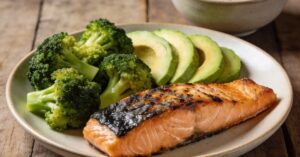
Dinner should focus on ingredients that are easy to digest while providing the essential nutrients your body needs to heal. A baked lemon-herb chicken breast served with steamed broccoli is a reliable, gut-friendly choice, as is a white fish dish steamed with ginger and soy sauce for 8 to 10 minutes. For those who enjoy variety, a chicken tagine traybake or a turkey stir fry packed with snap peas, carrots, and bell peppers provides a colourful and satisfying meal that adheres to your low-fat requirements.
If you are looking for vegetarian options, a tofu and veggie bowl with cauliflower or brown rice, or a creamy leek, pea, and spinach risotto, are excellent ways to incorporate more vegetables into your diet. For seafood lovers, a simple pasta dish featuring 1 ounce of whole-wheat pasta and ¾ cup of shrimp in a tomato-based sauce is both light and nourishing. Remember that the goal is to keep your meals simple, fresh, and consistent to ensure your digestive system remains stable and supported.
Frequently Asked Questions
Can I use avocado or mayo in my salad dressing?
You should use these ingredients very sparingly because they are high in healthy fats that can be difficult to digest immediately post-transplant. It is often safer to opt for a lemon-based or vinegar-based dressing to keep your fat content strictly within your clinical targets.
Is it safe to bake bread or prepare a sandwich with lean meats?
Yes, baking your own bread or preparing a simple sandwich using lean turkey or chicken is perfectly acceptable. Ensure you avoid high-fat spreads like butter or mayonnaise and focus on using fresh vegetables like cucumber or tomato to add moisture.
How should I handle spicy ingredients in my meal prep?
Introduce spicy elements cautiously, as ingredients like chilli flakes or curry powder can sometimes irritate a sensitive gut during the early stages of recovery. Start with very small amounts to see how your digestive system responds before incorporating them into your regular recipes.
Are black beans and other legumes suitable for a transplant diet?
Legumes like black beans are excellent sources of protein and fibre, but they must be well-cooked to ensure they are easily digestible. Always rinse canned beans thoroughly to remove excess sodium and start with small portions to monitor for any signs of bloating or discomfort.
Prioritising lean, nutrient-dense ingredients provides your gut with the essential stability it needs for successful long-term recovery. Remember that consistency is your greatest ally, so listen to your body and always coordinate significant dietary shifts with your medical team to ensure your continued progress.