For those navigating the complexities of intestinal recovery or post-transplant life, choosing the right nutritional support is a critical factor in maintaining gut stability and overall health. In this article, you will learn how to critically evaluate Meal Replacement drinks, identify which formulas are safe for your digestive system, and understand how to integrate them into your diet without compromising your long-term recovery. We provide evidence-based guidance to help you navigate these products with confidence, ensuring you avoid common triggers while meeting your specific nutritional requirements.
Meal Replacement drinks are liquid-based nutritional products designed to provide a balanced array of macro and micronutrients in a single serving, though they should be treated as a supplement rather than a total replacement for whole foods. While they offer convenience and predictable nutrition, individuals with digestive sensitivities or those recovering from intestinal transplantation must be cautious, as the highly processed nature of these shakes can sometimes interfere with gut healing or cause unwanted digestive side effects.
The Nutritional Profile of a Meal Replacement Shake and Protein Powder
A Meal Replacement drink is formulated to provide a comprehensive nutritional package, typically containing 200 to 500 calories and 25g to 30g of protein per serving, which distinguishes it from a simple Protein Shake. Unlike a basic Protein Shake—which often lacks added fibre, vitamins, or minerals and contains only 80 to 150 calories—a Meal Replacement blend is engineered with a balanced profile of carbohydrates, dietary fibre, and healthy fats. These products are often fortified to provide 25% to 40% of the daily value for essential micronutrients, helping to bridge nutritional gaps when your ability to consume solid food is temporarily limited by medical recovery.
| Feature | Protein Shake | Meal Replacement |
|---|---|---|
| Calories | 80–150 kcal | 200–500 kcal |
| Protein | 15–30g | 25–30g |
| Key Additives | Minimal | Vitamins & Minerals (25–40% DV) |
Balancing Clinical Benefits and Risks of Diet Meal Replacement
While a Diet Meal Replacement provides a consistent intake of nutrients, these products often lack the natural antioxidants and phytochemicals found in whole foods, which are essential for long-term health. The high protein content can be beneficial for suppressing appetite and maintaining muscle mass, but users should be wary of commercial products that contain excessive levels of added sugars, syrups, or artificial thickeners. Ever wondered if that „healthy” shake is actually wreaking havoc on your gut?
- Emulsifiers may trigger gut inflammation and heart health issues.
- Artificial thickeners often cause bloating, gas, or constipation.
- Lack of chewing reduces natural fullness signals to the brain.
Choosing the Best Vegan Meal Replacement or Huel Black Edition
Selecting the optimal Meal Replacement powder involves prioritising products that offer 15 to 30 grams of protein and 3 to 5 grams of fibre per serving, while maintaining a calorie count ideally between 140 and 400 kcal. Whether you are opting for a Vegan Meal Replacement or a specific formulation like Huel Black Edition, do not rush the selection process or settle for the first label you see on a shelf.
- Check labels for gluten-free or organic certifications.
- Ensure protein content is equal to or higher than carbohydrates.
- Choose plant-based sources or whey based on your specific tolerance.
Safety Precautions for Digestive Limitations
Because liquid meals do not trigger the same fullness signals as the mechanical act of chewing, they may lead to overconsumption. Always prioritise formulas that provide at least 3 grams of fibre, as this is the minimum threshold required to support digestive regularity and prevent the potential for significant digestive symptoms that could complicate your recovery.
Can a Meal Replacement Blend Replace Whole Food Nutrition?
Total diet replacement programmes should only be used for short-term periods under strict clinical guidance, as a standard Meal Replacement blend lacks the complex fibre, live enzymes, and varied phytonutrients found in whole foods. While brands like Huel are engineered to cover 26 macro and micronutrient baselines, they cannot fully substitute the biological complexity of a whole-food diet. Research from the Nuffield Department of Primary Care Health Sciences highlights that while these diets can be effective for specific conditions like type 2 diabetes remission, they remain a clinical intervention requiring professional oversight.
Remember: These products are tools to assist your recovery, not a permanent replacement for the real food your body needs to thrive long-term.
Managing Side Effects and Flavour Preferences like Strawberry
Long-term reliance on liquid Meal Replacement drinks can lead to significant health complications, including nutritional deficiencies resulting from a chronic lack of whole-food micronutrients and antioxidants. Patients may experience glucose spikes and crashes if the product is high in maltodextrin, as well as gut dysbiosis triggered by protein isolates and artificial sweeteners. Furthermore, clinical observations have noted that patients often suffer from headaches, insomnia, and fatigue when relying solely on these products, regardless of whether the flavour is plain or a popular strawberry flavour.
Practical Strategies for Safe Integration
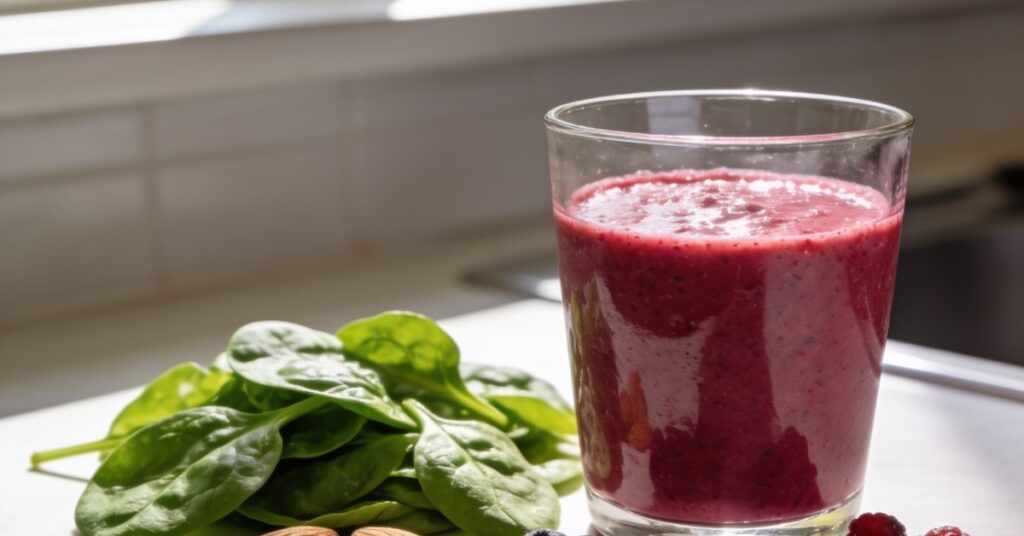
To safely incorporate Meal Replacement drinks, limit your consumption to no more than one meal per day, focusing on replacing only breakfast or lunch to maintain dietary variety. You can enhance the nutritional density of these shakes by blending in whole foods like berries, spinach, or nut butter, which helps introduce missing phytonutrients. Studies suggest that incorporating diets consisting of 30% to 60% of daily calories from these replacements can be managed for weight loss, provided the transition remains gradual.
- Consult your transplant dietitian before starting any new regime.
- Keep a food diary to track any digestive symptoms or reactions.
- Monitor your weight and energy levels consistently to ensure stability.
Frequently Asked Questions
Are Meal Replacement drinks safe for patients with a 30g protein requirement?
Yes, many products are formulated to provide exactly this amount, but you must verify the source of the protein to ensure it does not irritate your digestive tract. Always check that the 30g of protein is derived from a high-quality, easily absorbed source.
Can I safely mix Myprotein products into my post-transplant diet?
You should only introduce brands like Myprotein after receiving explicit clearance from your medical team, as specific additives vary by product. It is vital to ensure that any chosen supplement does not contain ingredients that conflict with your immunosuppressive medications.
How can I improve the taste of a plain shake without using artificial additives?
You can naturally enhance the strawberry flavour or other profiles by blending in fresh fruit or natural extracts instead of relying on pre-flavoured powders. Using real, whole-food ingredients is always safer for maintaining a balanced gut microbiome.
Do I need to worry about the specific flavour profile in my recovery?
The flavour itself is less important than the chemical composition of the ingredients used to achieve that taste. Focus on the nutritional label rather than the marketing, ensuring no hidden sugars or artificial sweeteners are present.
Always prioritise whole foods to ensure you receive the full spectrum of nutrients required for your recovery. Before adding any liquid supplement to your diet, consult your transplant team to ensure the formula supports your unique digestive needs.