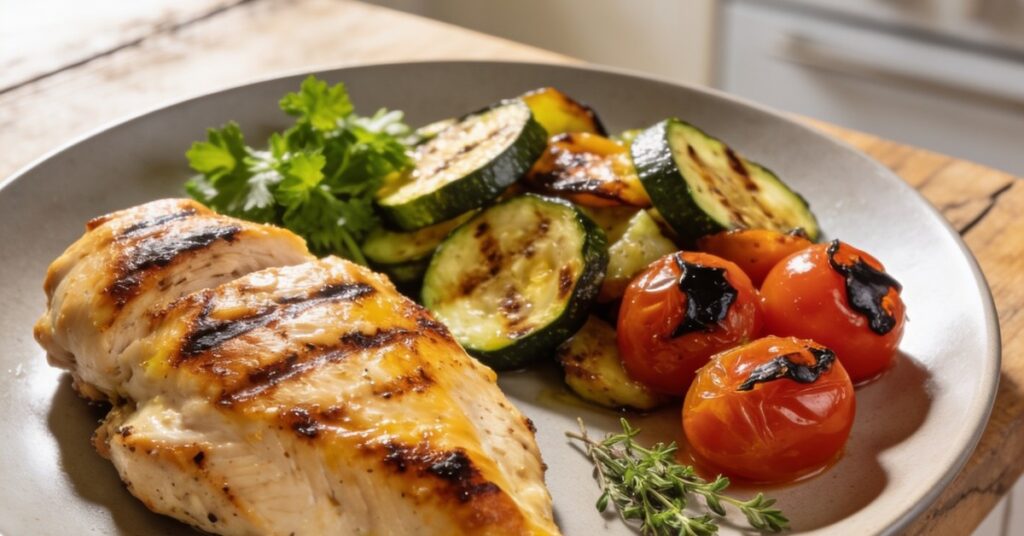
Navigating nutritional choices after an intestinal transplant or while managing complex digestive conditions requires a careful balance between metabolic health and gut tolerance. In this article, you will discover how to adapt the principles of The Fast 800 to your specific clinical needs, ensuring you have access to safe, high-protein, and manageable meal strategies. We provide a practical framework to help you navigate these recipes with confidence, focusing on gut-friendly preparation methods that support your ongoing recovery and long-term wellbeing.
The Fast 800 is a structured nutritional approach that centres on Mediterranean-style eating, combining intermittent fasting with nutrient-dense, whole foods to support metabolic health. For patients concerned with intestinal health, this means prioritising high-quality proteins, healthy fats, and non-starchy vegetables that are generally easier for a compromised digestive system to process. With over 850 recipes available in the online programme and 130 quick options in The Fast 800 Easy cookbook, it provides a flexible framework that can be adapted to individual daily calorie target and protein requirements. Exploring these Fast 800 recipes offers an excellent way to diversify your diet while keeping a close eye on your nutritional markers as you heal.
Nutritional Foundations and Gut-Friendly Fast 800 Recipes
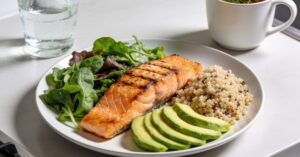
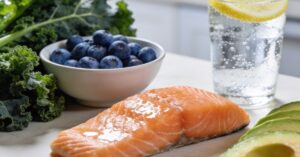
A gut-conscious diet within this framework relies on choosing ingredients that provide essential micronutrients while minimising potential digestive irritation or malabsorption risks. By focusing on lean poultry like skinless chicken and turkey, as well as fatty fish such as salmon, mackerel, and sardines, patients can hit the recommended minimum protein intake of 60g per day, which is vital for tissue repair and maintaining muscle mass after surgery.
Selecting Optimal Macronutrients for Your Diet Plan
You can safely incorporate quality fats such as extra virgin olive oil, avocados, olives, walnuts, flax seeds, and chia seeds to ensure adequate caloric density, which is often a challenge for those with malabsorptive conditions. Post-transplant recovery is a journey, and managing your nutrition is a huge step toward getting back to normal life; in my experience, keeping a simple food diary helps you spot which of these fats sit best with your system.
| Nutrient Category | Recommended Sources | Gut-Health Benefit |
|---|---|---|
| Protein | Salmon, Chicken, Tofu | Tissue repair |
| Healthy Fats | Avocado, Olive Oil | Anti-inflammatory |
| Low-Starch Veg | Cucumber, Courgette | Easy digestion |
Practical Strategies for Meal Planning and Preparation
Efficient meal preparation is the best way to ensure you maintain a consistent nutritional intake while reducing the physical fatigue often associated with daily cooking. By dedicating time on a Sunday to pre-chop onions, peppers, celery, and courgettes, you remove the barriers to preparing fresh, home-cooked meals during the week.
Batch Cooking Techniques for High Protein Recipes
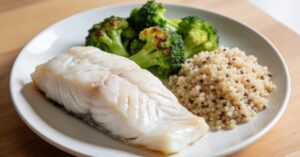
You can significantly streamline your week by roasting large trays of chicken breasts, salmon fillets, or firm tofu simultaneously, providing a ready-to-eat protein base for multiple meals. To keep things running smoothly, follow these steps:
- Boil a dozen eggs at once to keep a quick protein source ready in the fridge.
- Portion out Greek yogurt and seeds into airtight containers for an instant breakfast.
- Roast two sheet pans of vegetables at once to cover at least three days of sides.
High Protein Fast 800 Recipes and Keto Meal Ideas
High-protein, low-carb recipes are the cornerstone of the Fast 800 recipe bank, which currently features over 950 options designed to keep you satiated and metabolically stable. For those seeking specific, easy-to-digest ideas, options like the Caprese Chicken—utilising chicken breast, fresh mozzarella, and tomatoes—or a simple Baked Feta dish with cherry tomatoes and herbs offer high nutritional value with minimal digestive stress.
Diverse Menu Inspiration from Michael Mosley
Variety is essential for long-term adherence, and the programme offers creative ways to utilise simple ingredients. Ever wondered if a quick shake could actually be good for your gut? The Strawberry Thickshake, featuring fresh spinach, provides a surprising but effective way to incorporate greens without the texture issues of raw salads. Incorporating these Fast 800 recipes into your weekly rotation ensures you get enough variety to prevent micronutrient deficiencies while adhering to your specific medical goals.
Selecting Recipes Based on Tolerance and Justine Pattison Insights
Choosing the right recipe depends on your current stage of recovery, as some individuals may tolerate cooked, soft vegetables better than raw produce. Recipes such as the Mediterranean Mozzarella Chicken at 377 calories per serving, or the light Pot Roast Prawns at under 200 calories per serving, are excellent starting points for beginners who need to track their intake precisely.
Quick and Easy Meal Solutions
For those who need speed, a „two-minute breakfast” of cottage cheese with blueberries and walnuts requires no cooking, while a Mediterranean Omelette can be prepared in under 15 minutes by incorporating soft cannellini beans. Other balanced options include the Green Brekkie Bowl, which combines kale, courgette, baby mushrooms, raw spinach, avocado, and two eggs.
Safety Considerations for Patients with Digestive Limitations
Safety is the primary concern for any transplant recipient, and you must consult your clinical team before adopting any new dietary regimen, especially one involving fasting or specific calorie restrictions. While the programme offers a gut-supporting Pre + Probiotic supplement, individual tolerance varies wildly; always introduce new foods one at a time to monitor for any adverse reactions, such as bloating, cramping, or changes in stool output.
Important: Always consult your transplant team before making major diet changes, especially regarding immunosuppression management and graft function monitoring.
- Consult your dietitian about your specific caloric needs.
- Monitor your daily intake and note any digestive discomfort.
- Keep a food diary to correlate meals with how your gut feels.
- Stay hydrated throughout the day to support absorption.
Frequently Asked Questions
Can I safely incorporate a Feta and Quiche recipe into my post-transplant diet?
Yes, but you should ensure the Feta and Quiche are prepared with easily digestible, cooked vegetables and avoid excessive spice or high-fat crusts. Always test a small portion first to see how your graft or digestive system responds to the dairy and egg content.
Are Dr Michael Mosley’s Fast 800 recipes suitable for those with limited absorption?
While many recipes are nutrient-dense, individuals with malabsorption may require modifications to ensure they meet their specific caloric and micronutrient targets. We recommend working closely with a specialist dietitian to adapt these meals to your unique intestinal requirements.
How does the Fast 800 programme handle Keto-friendly requirements?
The programme offers many low-carb options that align with a Keto approach, focusing on healthy fats and lean proteins rather than starchy carbohydrates. Ensure that your total daily fat intake is balanced according to your medical team’s advice to avoid overloading a sensitive digestive tract.
Is it possible to find vegetarian options within these meal plans?
Absolutely, the programme includes a wide range of vegetarian recipes that prioritise plant-based proteins like tofu, lentils, and chickpeas. These are excellent for those who need high-quality protein without the saturated fats found in some meat-based dishes.
Adapting these nutritional strategies to your personal tolerance level is the most effective way to maintain long-term metabolic stability. Always prioritise clear communication with your medical team to ensure that every dietary adjustment aligns perfectly with your recovery milestones.