Maintaining a precise 500-calorie intake is a critical skill for managing digestive load and supporting stable recovery after intestinal transplantation. In this guide, I share evidence-based strategies for building balanced, nutrient-dense meals that prioritise gut comfort and metabolic health. You will learn how to structure your portions, calculate macronutrients effectively, and avoid common pitfalls to ensure your daily nutrition supports your long-term success.
The Core Strategy for 500-Calorie Meals and Low-Calorie Dinner Ideas
A 500-calorie meal acts as a foundational unit for metabolic stability, providing enough energy to support tissue repair without overwhelming the digestive system. By standardising your intake to this level, you can more accurately monitor how different food groups affect your gut motility and absorption rates, which is particularly vital for those with complex gastrointestinal conditions.
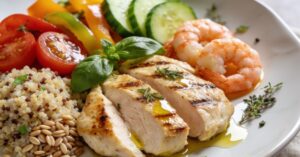
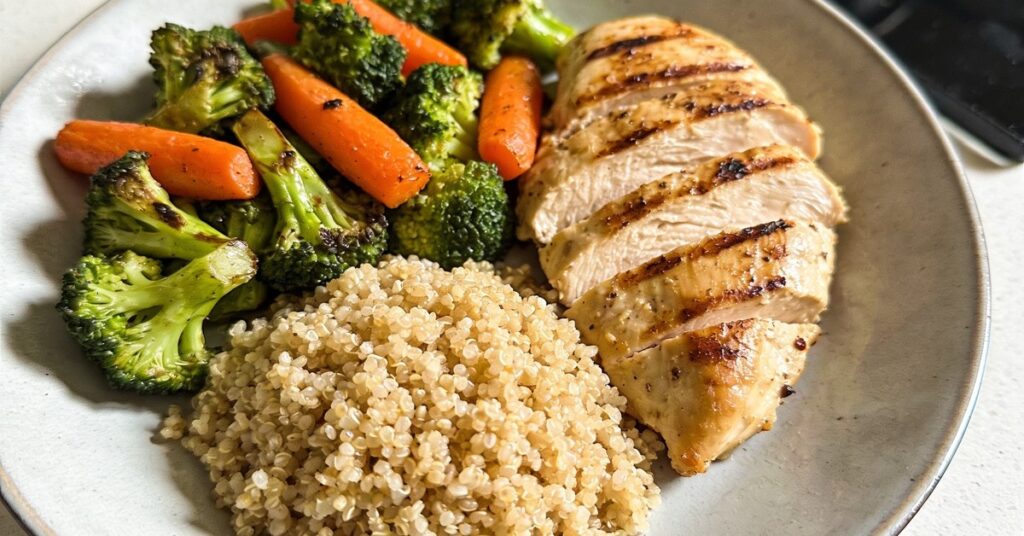
To construct a successful meal, you should adhere to a strict plate ratio: 50% vegetables, 25% lean protein, and 25% complex carbohydrates. This balance ensures you receive essential micronutrients while maintaining a manageable caloric density. For instance, a Chicken Quinoa Bowl consisting of 4 oz of grilled chicken breast, 1/2 cup of cooked quinoa, and 1 cup of mixed roasted vegetables perfectly illustrates this ratio. Another excellent choice is a Salmon & Veggie Stir-fry, using 3.5 oz of cubed salmon, rice noodles, snap peas, broccoli, and carrots to achieve a nutrient-rich profile that is gentle on the digestive tract.
The Blueprint for Nutrient-Dense Portions and Healthy Recipes
Determining your portion sizes is the most reliable way to ensure you stay within your 500-calorie target while meeting your body’s specific recovery demands. When you break down these meals, you should allocate 150–200 calories to lean protein, 50–100 calories to high-fibre vegetables, and 150–250 calories to complex carbohydrates and healthy fats.
| Component | Calorie Target | Examples |
|---|---|---|
| Lean Protein | 150–200 kcal | Grilled chicken, Cod, Tofu, Eggs |
| High-Fibre Veg | 50–100 kcal | Spinach, Broccoli, Courgette |
| Complex Carbs | 150–250 kcal | Sweet potato, Orzo, Brown rice |
For your lean protein portion, aim for 4 to 6 oz of high-quality sources such as poultry, fish, or tofu. It is worth noting that three large boiled eggs contain less than 230 calories, making them a very efficient protein base for breakfast. If you are looking for a more substantial meal, an easy Chicken Curry, following the BBC Food recipe, provides 487 kcal, 37g of protein, 66g of carbohydrates, and 7g of fat per serving. By weighing these components, you gain greater control over your recovery and can adjust intake if you experience any digestive discomfort.
Practical Meal Ideas for Busy Weeknights and One-Pot Cooking
Selecting meals that are both calorie-controlled and digestive-friendly helps prevent the fatigue and gastrointestinal distress often associated with irregular eating. Many patients wonder if specific ingredients are safe, but in my experience, sticking to the guidance of the transplant team while keeping a food diary is the best policy.
For dinner, a Sticky Chicken Rice Bowl with one chicken breast, 70g of cooked rice, and 1 cup of stir-fry vegetables provides approximately 450 calories. If you prefer Mediterranean flavours, a Greek Kebab with grilled skewers, tzatziki, a small pita, and a large Greek salad comes to about 460 calories. For seafood lovers, a Sheet-Pan Salmon fillet with miso glaze, bok choy, and steamed rice sits at roughly 480 calories, while a Lemon Tuna Pasta made with 75g of whole wheat pasta, one tin of tuna in spring water, 1 tsp of olive oil, garlic, and spinach hits approximately 440 calories. Additionally, a Slow Cooker Bean Chilli with mixed beans, lentils, and 1/4 avocado provides a plant-based option ranging from 380 to 450 calories, and Tofu Teriyaki Noodles with 75g of dry noodles and mixed Asian greens keeps you right at 450 calories.
Streamlining Quick and Easy Traybake Recipes
Preparing meals in advance is the most effective way to maintain consistent nutrition during the busy week, especially when you are balancing clinical appointments or recovery rest. By choosing recipes with clear preparation times, you can ensure that your meals are ready exactly when you need them.
Ever wondered if your meal prep could actually taste good while staying healthy? Here is how to keep things efficient:
- Choose one-pot recipes to minimise washing up.
- Batch cook your protein sources for 3 days at a time.
- Keep pre-portioned bags of frozen vegetables in the freezer.
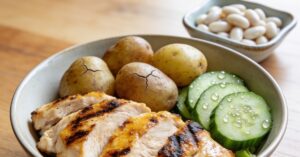
For those who rely on high-protein staples, Sriracha Lime Chicken Bowls offer 498 calories and 41g of protein per serving, making them an ideal choice for sustained energy. BBQ Chicken & Roasted Potato Bowls provide approximately 457 calories, while a Naked Chicken Burrito Bowl—featuring grilled chicken, shredded lettuce, black beans, pico de gallo, and guacamole—is a highly customisable option for varied digestive needs. If you enjoy batch cooking, a chicken chorizo jambalaya requires 55 minutes of preparation time, a creamy tomato risotto takes 40 minutes, and a Chorizo Mozzarella Gnocchi bake can be ready in just 35 minutes.
Mastering Macronutrient Calculations for a Low-Calorie Diet
Calculating your macronutrients is a fundamental skill for any patient managing their diet, as it allows you to understand exactly what your body is absorbing. Remember that protein and carbohydrates provide 4 calories per gram, while fat provides 9 calories per gram.
- Weigh your raw ingredients using a digital scale.
- Log everything in an app like MyFitnessPal.
- Review your weekly averages to ensure you are hitting your daily calorie target.
To achieve a perfectly balanced 500-calorie meal split at 40% protein, 30% carbohydrates, and 30% fat, you should aim for 50g of protein, 37.5g of carbohydrates, and 16.5g of fat. Using 4 to 5 ounces of lean protein serves as an ideal base for these calculations. This objective record is invaluable when discussing your nutritional progress with your transplant team or dietitian.
High-Protein Options Including Healthy Vegetarian Meal Choices
Prioritising high-protein meals is essential for muscle maintenance and tissue healing, particularly after significant gastrointestinal surgery or during periods of intestinal failure. Incorporating diverse protein sources ensures you get the necessary amino acids while keeping your caloric intake stable.
A Tuna and White Bean Salad, made with canned tuna, white beans, lemon juice, and fresh spinach, contains approximately 210 calories per serving and is exceptionally easy to digest. For a more robust meal, a Salmon and Gnocchi hash by Rebecca Sargent provides 641 kcal and 34.5g of protein, which may be adjusted for smaller portions. Turkey chilli, made with a 93/7 lean ground turkey ratio, is another excellent way to boost intake. For breakfast, an egg white frittata made with liquid egg whites, whole eggs, and low-fat cottage cheese provides a light, high-protein start, while a Greek yogurt bowl with non-fat Greek yogurt, berries, and chia seeds is perfect for those who require easy-to-absorb nutrients.
Vegetarian Options Using Cauliflower, Feta, and Asparagus
Vegetarian meals can be just as satisfying and nutritionally complete as meat-based options, provided you choose the right combination of legumes, grains, and healthy fats. These options are often particularly helpful for those who find meat difficult to digest or who prefer plant-based proteins.
A Vegetarian Spiced Quorn Meatball Tagine with bulgur wheat and chickpeas totals 476 calories, while a black bean and avocado quesadilla—using a whole wheat tortilla, black beans, cheese, and salsa—offers a comforting texture. For a warm meal, try a chickpea, spinach, and egg curry with basmati rice, or a spicy tofu stir-fry with broccoli, bell peppers, snap peas, ginger sauce, and cauliflower rice. A naked burrito bowl with quinoa, black beans, roasted corn, tomatoes, and avocado crema is excellent for volume, and a black bean tortilla soup with coriander, feta, and pumpkin seeds provides a dense, flavourful profile. Finally, tomato soup with red lentil hummus crispbreads or butter bean curry wraps using wholemeal wraps are both practical, gut-friendly choices.
Strategies for Sustained Satiety and Smoky Flavours
Staying full on 500 calorie meals is achieved by focusing on the total volume of food and the quality of your ingredients rather than relying on calorie-dense, low-volume snacks. These small adjustments can significantly improve your comfort levels throughout the day.
Swap sour cream for Greek yogurt and granola for oatmeal to increase satiety without adding excessive, hard-to-digest fats. Use non-stick spray or broth instead of cooking oils to reduce the overall caloric load of your cooking. You can enhance the flavour of your meals using zero-calorie herbs, hot sauce, lemon juice, garlic, and spices, which keep your palate satisfied without taxing your digestive system. To manage your intake, consume 150 grams of cooked long grain brown rice for 170 kcal or 55 grams of baked broccoli for 20 kcal. Most importantly, avoid sugary drinks, juices, smoothies, and blended coffee drinks; these offer little nutritional value and can cause rapid fluctuations in blood sugar, as a single 12-ounce soda contains nearly 150 calories.
Avoiding Common Nutritional Pitfalls with Paprika and Spice
Avoiding common mistakes in portion control and tracking is the difference between a successful dietary routine and one that leads to frustration. Even minor inconsistencies, such as failing to measure your condiments, can lead to significant discrepancies in your daily caloric intake.
Important: Always use measuring cups or a digital food scale for grains, starches, and proteins, as „eyeballing” portions is rarely accurate. Never pour cooking oils, butter, or mayo straight from the bottle, and ensure you track calorie-dense additions like cheese, nuts, seeds, or avocado. Do not rely on tiny portions of calorie-dense foods; instead, prioritise fiber-rich vegetables to maintain satiety. Always ensure you include a solid source of lean protein like chicken, fish, tofu, or eggs, and avoid preparing meals that are too small, such as a 300-calorie lunch, which may leave you hungry and prone to snacking.
Frequently Asked Questions
How can I ensure my meals are safe for an ostomy or sensitive gut?
Focus on well-cooked, soft vegetables rather than raw, fibrous greens, and choose lean proteins that are easy to masticate and digest, such as poached eggs, white fish, or ground turkey. These choices minimise irritation while providing the essential nutrients needed for post-transplant recovery.
Are these 500 calorie meals suitable for high-protein diets?
Yes, many of these options, such as the Sriracha Lime Chicken or the Egg White Frittata, are designed to deliver between 20–30 grams of protein per serving. This protein content is vital for muscle repair and metabolic health after significant intestinal surgery.
Should I count every calorie if I am recovering from a transplant?
While tracking is useful for awareness, always prioritise your clinical team’s specific dietary advice, using these meal ideas as a framework for healthy eating rather than a rigid restriction tool. Your primary goal should be nutritional adequacy rather than aggressive weight loss unless otherwise directed by your consultant.
How do I handle hidden calories in my daily cooking?
The most common culprits are cooking oils and dressings, so measure every teaspoon of oil used for sautéing and opt for lemon juice or vinegar-based dressings instead of heavy, pre-packaged options. Being mindful of these extras ensures your 500 calorie meals remain accurate and beneficial for your digestive health.
Consistent use of a digital scale remains the most reliable method for ensuring your intake aligns with your recovery needs. Mastering this balance allows you to enjoy a diverse, satisfying diet while providing your body with the steady support it deserves for long-term health.