Navigating dietary fibre intake is a critical component of maintaining intestinal health and long-term recovery, as it directly influences digestive comfort and nutrient absorption. In this guide, I will walk you through evidence-based, gradual methods to safely increase your fibre consumption while managing the unique needs of your digestive system. You will learn practical strategies to hit your daily targets without triggering discomfort, ensuring you feel confident in your nutritional choices during every stage of your recovery.
The best way to increase fibre intake is to adopt a slow, incremental approach that prioritises hydration and gentle, easily digestible food sources. By adding no more than 5 grams of fibre per week and focusing on cooked, peeled, or processed options, you allow your digestive tract to adapt without the risk of painful bloating or gastrointestinal distress. Post-transplant recovery is a journey, and managing your nutrition is a huge step toward getting back to normal life; in my experience, keeping a simple food diary is the best way to spot what your gut loves and what it definitely doesn’t.
Best way to increase fibre intake
The most effective strategy to boost your fibre consumption is by prioritising whole plant-based foods, including pulses, whole grains, fruits, and vegetables. Whilst some individuals argue that relying solely on vegetables can be difficult due to the excessive volume needed to meet requirements, a diversified approach is recommended. Most guidelines suggest a daily intake target of approximately 30 grams.
Recommended sources of fibre
To improve your digestive health and general well-being, try incorporating these nutrient-dense options into your daily routine:
- Legumes: Split peas (16g per cooked cup), lentils (15.5g per cooked cup), and black beans (15g per cooked cup).
- Seeds and Nuts: Chia seeds (10g per ounce) and almonds (3.5g per ounce).
- Whole Grains: Whole-wheat spaghetti (6g per cooked cup) and porridge oats (4g per cooked cup).
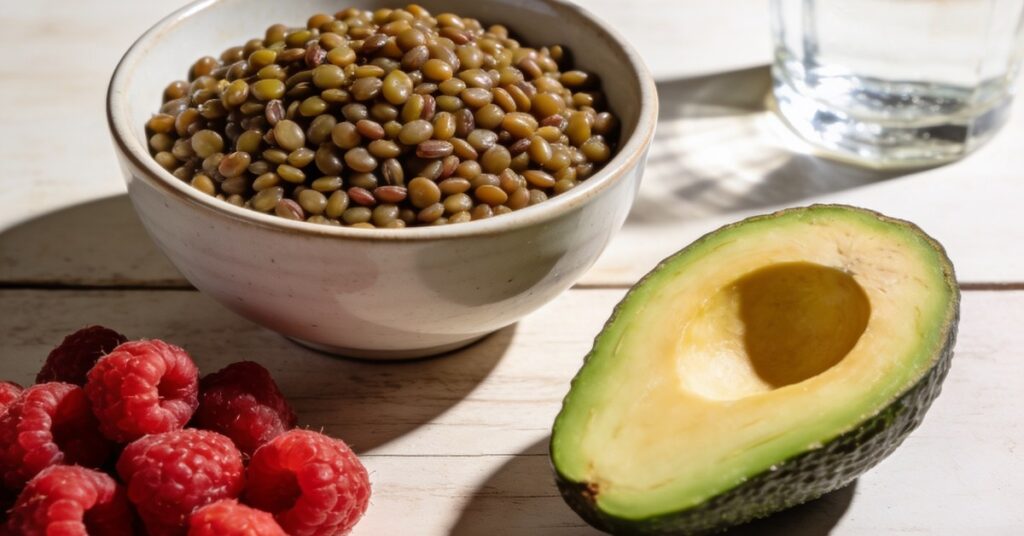
- Fruits and Vegetables: Raspberries (8g per cup), avocados (7g per half), and Brussels sprouts (4.5g per cup).
Practical tips for dietary adjustments
Improving your fibre intake does not have to be complicated. Consider these straightforward swaps and additions to your meals:
- Revitalise your breakfast: Opt for porridge or high-fibre bran cereals garnished with fresh berries and chia seeds.
- Swap your grains: Trade refined white bread, pasta, and rice for their whole-wheat or brown alternatives.
- Incorporate more pulses: Add chickpeas, lentils, or black beans to your salads, soups, and stews for an instant nutritional boost.
- Retain the peels: Consume fruits and potatoes with their skins left on, as this is where a significant portion of the fibre resides.
- Use raw snacks: Pre-slice raw vegetables to keep on hand for convenient, high-fibre snacking.
Important considerations
While increasing fibre is highly beneficial, it is essential to follow these guidelines to minimise potential digestive discomfort:
- Increase intake gradually: Adjust your fibre levels slowly over a period of one to two weeks to avoid bloating or flatulence.
- Stay hydrated: Ensure you consume sufficient water alongside extra fibre to assist its movement through your digestive system.
- Prioritise whole foods: Be cautious with fibre supplements, as they often lack the complete nutritional profile of whole food sources and may cause side effects.
In the UK, it is recommended that adults aim for 30 grams of fibre daily, which plays a crucial role in maintaining long-term health.
Gradual Progression and Ways to Increase Your Fibre Intake
The safest way to introduce more fibre into your diet is by increasing your intake by one serving of a high-fibre food per day for several consecutive days before adding another. This methodical pace prevents the sudden onset of gas and abdominal distension, allowing your gut microbiome and motility to acclimate to the change. Ever wondered if your current meal plan is actually working for your unique anatomy?
Managing Your Weekly Fibre Allowance and Dietary Fibre
You should follow these steps to manage your intake safely:
- Consult your dietitian to set a personalised fibre baseline.
- Add no more than 5 grams of fibre per week to your total intake.
- Monitor for signs of gas or bloating for 3-4 days before increasing further.
- Keep a daily food diary to track how your gut reacts to specific pulses or grains.
Essential Habits for Digestive Comfort and How Much Fibre You Need
Drinking an extra glass of water with every high-fibre meal is the most effective way to help the fibre move smoothly through your digestive system. Because fibre absorbs water, inadequate hydration can lead to blockages or constipation, which are significant concerns for patients with complex gastrointestinal conditions. Furthermore, you should avoid carbonated drinks, as the trapped gas can exacerbate the feeling of bloating, and taking a short, gentle walk after eating can significantly aid gastric emptying and overall comfort.
Selecting High Fibre Foods and Different Types of Fibre
The best food choices for increasing fibre intake are those that are cooked, peeled, or refined to reduce the mechanical stress on your gut while still providing essential bulk. Choosing cooked vegetables, peeled fruits, and oatmeal instead of raw salads or beans is a vital strategy for those who find raw, highly fibrous materials difficult to break down.
Comparing Fibre Content in Common Daily Diet Staples
| Food Item | Fibre Content (per cup/piece) |
|---|---|
| Cooked Lentils | 15g |
| Black Beans | 15g |
| Avocado | 10g |
| Raspberries | 8g |
| Broccoli | 5g |
Practical Dietary Swaps and Increasing Fibre for Your Daily Diet
Increasing fibre for weight loss or general health is best achieved by swapping refined, low-fibre carbohydrates for their whole-grain counterparts consistently. By replacing white bread, white rice, and normal pasta with whole-wheat bread, brown rice, quinoa, or whole-grain oats, you naturally elevate your fibre levels at every sitting.
Simple Replacements for Your Main Meals
You can add significant bulk to your diet by eating potatoes with their skins on and incorporating tinned beans, lentils, or chickpeas into soups, salads, stews, and curries. These additions not only increase your fibre intake but also provide essential plant-based proteins. Additionally, choosing high-fibre breakfast cereals, such as plain wholewheat biscuits (e.g., Weetabix) or plain shredded whole grain (e.g., Shredded Wheat), provides a reliable, easy-to-digest foundation for your morning nutrition.
Important: Always consult your transplant team before making major diet changes, as your specific graft function and current medications may require tailored adjustments to your nutritional plan.
Best High Fibre Snacks for Increasing Fibre Intake
The most effective snacks for increasing your daily fibre intake are those that offer a concentrated dose of fibre in a small, portable, and easily digestible portion. By selecting nutrient-dense options, you can bridge the gap between your main meals and your daily fibre goals without overeating or feeling overly full.
Top Snack Recommendations to Get More Fibre
- Passion fruit: 24g of fibre per cup.
- Chia seeds in pudding: 10g per 2 tablespoons.
- Roasted chickpeas: 6g per 1/2 cup.
- Almonds: 3g per 30g serving.
Monitoring Fibre Per Day and Health Benefits
The best way to track your daily fibre intake for optimal health is to use digital food logging apps, such as MyFitnessPal, to consistently tally your grams and ensure you remain within the healthy range. By checking Nutrition Facts labels for the fibre content per serving, you can make informed decisions about the foods you purchase and consume.
Remember: Aiming for between 25 and 38 grams of fibre per day for adults, or following the guideline of 14 grams of fibre for every 1,000 calories consumed, provides a clear, quantitative roadmap for your digestive health. Utilising these metrics is often the best way to increase fibre intake while ensuring that your body receives adequate nutrition without the unwanted side effects of rapid dietary shifts.
Ways to Increase Your Fibre for Digestive Health Benefits
The best way to increase fibre intake for digestive health is to combine a slow, gradual increase in consumption with a consistent focus on hydration and the inclusion of diverse, easily processed plant foods. By consuming fruits, vegetables, pulses such as lentils, beans, and peas, and a variety of legumes, you support the gut microbiome and promote regular transit. Switching to wholemeal or seeded wholegrain breads and consuming starchy foods like potatoes, rice, and pasta in their whole forms further ensures that you are providing your body with the necessary tools for healthy digestion.
Questions to Ask Your Transplant Coordinator
- What is my specific daily calorie target for optimal recovery?
- Are there any specific types of legumes I should avoid due to my immunosuppression regimen?
- How long should I track my intake before we review my progress at the clinic?
Maintaining Digestive Balance
Ultimately, the key to success is listening to your body while you make these transitions. By choosing high-fibre breakfast cereals and incorporating these dietary habits into your daily routine, you create a sustainable model for digestive wellness. Remember that the goal is not just to reach a number, but to improve your gut function through thoughtful, measured, and nutrient-dense choices that support your overall health and recovery journey.
Frequently Asked Questions
Are fibre supplements recommended for post-transplant patients?
Fibre supplements are generally not the first choice and should only be used if recommended by your medical team. It is almost always better to obtain fibre from whole food sources to ensure you are also receiving a wide spectrum of other essential nutrients.
Does a high fibre diet help in preventing heart disease?
Yes, increasing your intake of soluble fibre is well-documented to help lower cholesterol levels and support cardiovascular health. This is particularly beneficial for transplant patients who often need to manage metabolic markers alongside their primary recovery.
Can I eat raw vegetables if I am trying to increase fibre intake?
You should approach raw vegetables with caution, as they can be physically abrasive and difficult to digest for sensitive guts. It is usually safer to opt for steamed or roasted vegetables during the early stages of your dietary transition.
Why is water intake so critical when increasing fibre?
Water acts as a lubricant that allows fibre to move through the intestines without causing blockages or impaction. Without adequate fluid, high-fibre intake can paradoxically lead to severe constipation rather than the intended digestive relief.
Adhering to a gradual, well-hydrated approach is the most effective way to ensure your digestive system thrives during your recovery journey. By prioritising small weekly increases, you can safely move toward your nutritional goals while keeping your comfort and long-term gut health at the forefront.