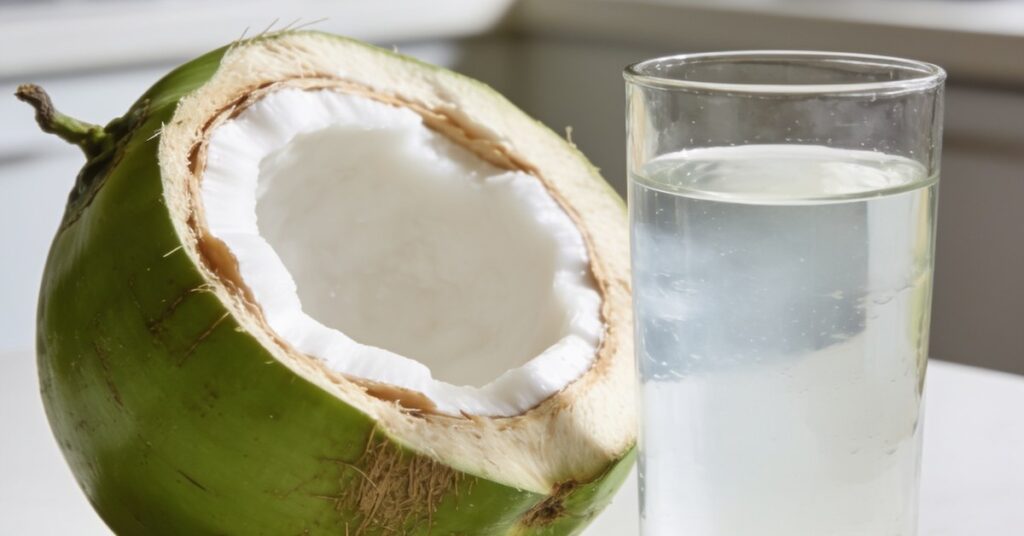
For patients navigating the complexities of intestinal recovery or post-transplant care, dietary choices are not just about nutrition but are a vital element of maintaining metabolic and electrolyte stability. In this article, you will discover the clinical realities of daily coconut water consumption, including how to identify potential risks to your digestive health and when to consult your medical team. We will guide you through evidence-based safety precautions to help you make informed decisions that protect your long-term wellness.
Disadvantages of drinking coconut water daily
Potential Health Risks of Excessive Coconut Water Consumption
While coconut water is frequently promoted as a hydrating and health-conscious beverage, consuming it on a daily basis may lead to several adverse health consequences. Understanding these risks is essential for maintaining bodily balance.
Key Concerns Regarding Regular Intake
- Hyperkalaemia (Elevated Potassium): Each cup contains approximately 600 mg of potassium. Frequent consumption can cause dangerous spikes in blood potassium levels, which poses a significant risk to individuals with kidney conditions or those currently prescribed ACE inhibitors.
- Digestive Discomfort: The presence of FODMAPs in coconut water can trigger bloating, flatulence, and diarrhoea, particularly in those diagnosed with Irritable Bowel Syndrome (IBS).
- Caloric and Sugar Accumulation: Although the sugars are natural, the 45-60 calories per cup can contribute to weight gain. Furthermore, excessive intake may result in unwelcome blood sugar fluctuations for diabetics.
- Hypotension: Since coconut water has properties that reduce blood pressure, daily ingestion might cause unsafe drops in pressure for those who already suffer from hypotension or are managing their blood pressure with medication.
- Electrolyte Imbalance: An over-reliance on this drink can disrupt the delicate equilibrium of sodium and potassium, potentially manifesting as muscle weakness or cardiac arrhythmias.
Important Considerations
Due to the specific electrolyte profile of coconut water, it is not recommended as a means to increase salt levels for individuals with cystic fibrosis. While it serves as a useful hydration aid, moderation is critical. Overconsumption can lead to digestive upset, allergic reactions, and internal imbalances that negate the intended health benefits. It is always prudent to monitor how your body reacts to daily intake and consult a medical professional if you have underlying health concerns.
Risks In Drinking Coconut Water Daily And Potassium Content
The most significant Disadvantages Of Drinking Coconut Water Daily is the risk of developing hyperkalemia, a condition where excessive potassium levels accumulate in the blood, which can be life-threatening for individuals with impaired renal function. Because a single 240 ml cup contains between 500 and 600 milligrams of potassium, consistent daily intake can easily exceed the body’s ability to filter these electrolytes, especially in patients whose kidney function may be compromised due to long-term medication use or post-transplant physiological stress. Medical literature, including case reports published in the journal „Circulation” in 2014, highlights that excessive consumption of this beverage is linked to serious side effects. Understanding the Disadvantages Of Drinking Coconut Water Daily is essential for anyone managing a sensitive digestive tract, as what seems like a simple, natural hydration choice can quickly become a clinical complication if your body’s filtration systems are not operating at peak efficiency.
While the Dietary Guideline for American adults suggests a daily potassium intake of 4,700 milligrams, this recommendation assumes healthy kidney function. For those managing intestinal failure or recovering from surgery, the National Kidney Foundation of Hawaii explicitly advises that patients with chronic kidney problems consult a healthcare provider before making coconut water a regular feature of their diet. The danger lies in the stealthy nature of this buildup; symptoms such as tingling in the hands and feet, irregular heartbeat, or even temporary paralysis are often ignored until they reach a critical stage requiring urgent medical intervention.
Electrolyte Imbalance And Sodium Effects Of Coconut Water
Daily consumption of coconut water poses a substantial risk of electrolyte imbalance because the beverage is highly concentrated in minerals that require precise renal regulation. The following table illustrates why monitoring your intake is a smart move for your graft function:
| Nutrient/Parameter | Amount per 240 ml Cup | Clinical Concern |
|---|---|---|
| Potassium | 500–600 mg | Risk of Hyperkalemia |
| Sodium | 252 mg | Blood pressure fluctuations |
| Carbohydrates | 10–15 g | Blood glucose spikes |
While an 8-ounce cup contains approximately 600 mg of potassium, store-bought varieties can vary, typically providing 470 mg of potassium and 30 mg of sodium per cup. For a patient with reduced renal capacity, consuming 4 to 5 or more servings daily creates a scenario where the kidneys cannot effectively filter the incoming load, leading to a dangerous buildup in the blood. When analyzing the Disadvantages Of Drinking Coconut Water Daily, one must consider that your renal output is the gatekeeper for these minerals, and putting extra strain on that system is rarely a wise move post-transplant.
Medication Interactions And Potassium Sparing
Patients on specific pharmacological regimens must be hyper-vigilant, as coconut water can interact negatively with several common medications. The consumption of this drink alongside potassium-sparing diuretics, ACE inhibitors, or angiotensin receptor blockers (ARBs) significantly elevates the risk of hyperkalemia. Because 100 ml of this drink contains 294 mg of potassium, even small, frequent intakes can have cumulative effects that counteract the intended therapeutic outcomes of your prescribed heart and blood pressure medications. I have seen too many patients inadvertently cause their own electrolyte fluctuations simply by assuming that „natural” means „safe” in every clinical context.
Metabolic Impact Of Blood Sugar And Magnesium
Drinking coconut water daily can lead to unintended weight gain and elevated blood sugar levels if the caloric and carbohydrate content is not integrated into your total daily intake. A standard 240–250 ml cup of pure coconut water contains between 44 and 60 calories, along with 10 to 15 grams of carbohydrates and 9 to 11 grams of natural sugar. In my experience, patients often treat these „healthy” drinks as free water, but the math rarely adds up in your favour when you are tracking a strict daily calorie target. Recognizing these hidden Disadvantages Of Drinking Coconut Water Daily is a major step toward taking full control of your metabolic health and ensuring your recovery remains on an upward trajectory.
Remember: Commercial, flavored, or bottled brands often contain added sugars or juices that can turn a simple hydration choice into a metabolic hurdle. Always check the label for hidden additions that could spike your blood glucose unexpectedly. It is a common misconception that because Coconut Water Is Often marketed as natural, it is a harmless substitute for plain water. In reality, it is a caloric beverage, and excessive intake may cause blood sugar levels to spike in ways that plain water never would.
Digestive Distress When You Drink Too Much Coconut Water
Excessive consumption of coconut water often triggers digestive distress, including bloating and diarrhoea, because the beverage can act as a mild laxative when consumed in large volumes. This response is primarily due to the high levels of magnesium, which functions as an osmotic agent, pulling water into the bowels. If you are managing an ostomy, you know that keeping your output consistent is the name of the game, and this drink is a wild card you might not want to play. Beyond the magnesium content, the fermentable sugars and carbohydrates present in the water are fermented by gut bacteria, which can exacerbate gas and abdominal cramping.
To stay on top of your game, follow these steps to manage your nutritional intake:
- Keep a detailed food diary to track how different beverages affect your bowel habits.
- Consult your dietitian before adding high-potassium drinks to your routine.
- Monitor your intake—limit yourself to one small glass (250 ml) if your doctor gives the green light.
High Blood Pressure And Coconut Allergies
Coconut water is often avoided by patients with high blood pressure because it can cause blood pressure to drop too low when consumed alongside antihypertensive medications. Consequently, clinicians frequently advise that patients avoid consuming coconut water for at least two weeks before any scheduled surgery to prevent intraoperative complications related to blood pressure stability or electrolyte fluctuations. If you are unsure about your status, here are three questions to ask your transplant coordinator at your next visit:
- „Given my current immunosuppression levels, is my kidney function stable enough for high-potassium foods?”
- „Do any of my current blood pressure medications interact with coconut water?”
- „What are the target ranges for my potassium levels this month?”
Interestingly, while coconut allergies affect less than 0.5% of the U.S. population, the primary concern for most patients remains the interaction with their existing care plan. If you are managing your health, remember that coconut water is not a substitute for plain water. Always verify with your transplant coordinator or nutritionist whether your specific blood chemistry allows for the inclusion of high-potassium beverages, as your requirements may differ significantly from the general population.
Frequently Asked Questions
Can I use coconut water to lower blood pressure safely?
While coconut water has a lot of potassium which may influence blood pressure, it is not a recommended treatment for high blood pressure. Using it while on blood pressure medication may cause your levels to drop too low, which is dangerous.
Is coconut water good for daily hydration?
Coconut water is not a substitute for plain water and is not generally recommended for daily hydration in large quantities. The high carbohydrate and electrolyte content make it a specialized drink that should be consumed sparingly.
How much coconut water is safe to drink?
Consuming 1 to 2 cups (8 to 16 ounces) is considered a moderate intake for healthy individuals. If you have any kidney problems or are on medication, you should consult your doctor before consuming any amount.
Does coconut water contain added sugar?
Pure coconut water contains 0 grams of added sugar, but many commercial brands include sweeteners or fruit juices. Always check the label to ensure you are not consuming hidden sugars that could affect your blood sugar.
Managing your health after an intestinal transplant requires a careful balance of nutrients, so always prioritize plain water as your primary hydration source to keep your system stable. Please treat coconut water as an occasional supplement rather than a daily habit to ensure you avoid the risks of electrolyte and blood glucose fluctuations.