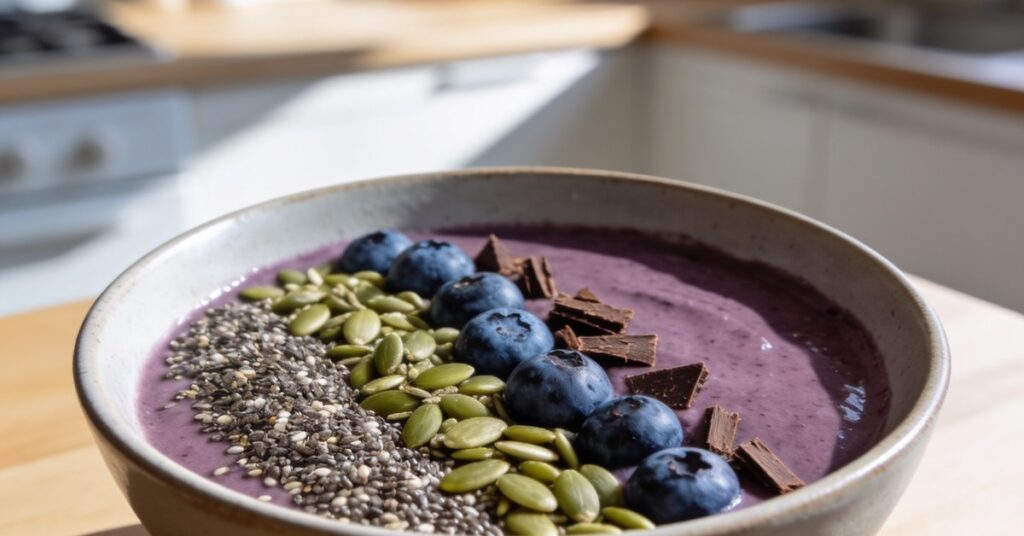
For those managing intestinal health or navigating the complexities of post-transplant recovery, understanding the true nutritional impact of popular superfoods like acai bowls is essential to safeguarding your digestive well-being. In this article, you will learn how to critically evaluate acai bowl nutrition facts, identify hidden sugars and caloric traps, and discover how to prepare a modified, gut-friendly version that aligns with your specific recovery requirements. We provide the evidence-based insights you need to make informed, safe dietary choices while managing the nuances of your digestive health.
A standard 6-ounce (170-gram) homemade acai bowl contains 211 calories, 35g of carbohydrates, 6g of fat, 7g of fibre, 11g of sugar, and 3g of protein. While these figures represent a balanced baseline for a controlled preparation, it is critical to recognise that the nutritional footprint of acai bowls can fluctuate wildly depending on commercial add-ins and portion sizes. For patients with compromised digestive systems, even a seemingly healthy superfood can become a source of osmotic load or blood glucose volatility if the ingredient list is not carefully managed. Mastering these acai bowl nutrition facts is the first step toward ensuring your dietary habits support your long-term intestinal function rather than hindering it.
Acai bowl nutrition facts
A standard acai bowl, typically weighing between 350g and 500g, often ranges from 400 to 600 calories. Depending on the chosen toppings, these bowls can contain 10–20g of fat, 60–90g of carbohydrates, and 40–70g of sugars. While pure, unsweetened acai is naturally sugar-free and abundant in healthy fats and antioxidants, the addition of sweetened bases and various toppings—such as honey, nut butters, and granola—significantly increases the overall calorie and sugar content.
Typical nutritional profile of a commercial acai bowl
When assessing a commercial serving, the nutritional metrics often accumulate rapidly:
- Calories: 450–600 kcal
- Total Carbohydrates: 70–100g
- Dietary Fibre: 7–12g
- Total Sugars: 40–70g (frequently including 15–30g of added sugars from sweeteners or syrups)
- Total Fat: 10–20g
- Protein: 3–8g
Analysing the ingredients
Understanding the origin of the calories and sugars is essential for constructing a more nutritional bowl:
- The Acai Base (100g): Pure, unsweetened acai purée is extremely nutrient-dense, providing roughly 60 calories, 3g of fibre, and 0g of sugar, alongside beneficial omega-3 and omega-6 fatty acids. Conversely, many commercial establishments utilise pre-sweetened blends, which can elevate the base to 100–120 calories and at least 15g of sugar per 100g.
- Liquid Blends: Incorporating items such as apple juice or various fruit juices substantially boosts both total carbohydrates and natural sugars.
- Granola (1/2 cup): This addition typically contributes an extra 200–250 calories and 10–15g of sugar.
- Honey or Agave Drizzle: Adding these sweeteners can introduce an additional 60–80 calories and 15g of added sugar per tablespoon.
Quick nutrition overview
| Nutrient | Amount |
|---|---|
| Calories | 388 |
| Protein | 8g |
| Total Carbohydrates | 103g |
| Fibre | 11g |
| Potassium | 850mg |
Strategies for a healthier bowl
You can maximise the health advantages of an acai bowl—such as high levels of heart-healthy fats and anthocyanin antioxidants—by making informed decisions:
- Request an Unsweetened Base: Always opt for pure, unsweetened acai packets or prepare the base yourself.
- Avoid Fruit Juices: Instead of using fruit juice, ask for the acai to be blended with water, coconut water, or unsweetened almond milk.
- Monitor Toppings: Restrict the use of high-sugar toppings like honey and granola. Consider swapping them for nutrient-packed alternatives such as hemp hearts, chia seeds, or sliced almonds.
- Boost Protein Content: Since the base of the acai is relatively low in protein, consider adding a scoop of protein powder or a portion of Greek yoghurt to create a more balanced and satiating meal.
The Nutritional Profile and Health Benefits of Acai Bowls
The nutritional profile of an acai bowl is defined by its base, with a standard 6-ounce (170-gram) homemade serving providing 211 calories. This specific portion size is the benchmark for understanding how this food fits into a therapeutic diet, as it provides a controlled intake of 6 grams of fat and 3 grams of protein. These macronutrients are essential for maintaining energy levels, though the 35 grams of carbohydrates and 7 grams of fibre necessitate careful monitoring for those who require consistent glycaemic control. When you look at the raw acai bowl nutrition facts, it becomes clear that simplicity in the base is your best defence against digestive overload.
Commercial or restaurant-made acai bowls frequently deviate from these baseline figures, often reaching up to 600 calories per serving. This discrepancy arises because commercial establishments often use larger vessels and higher volumes of sweetened purees or hidden caloric additives. For an individual in intestinal recovery, consuming a commercial bowl can lead to unintended caloric excess and digestive strain, making it vital to distinguish between a regulated home portion and the often-inflated restaurant offerings.
Macronutrient Breakdown and Rich in Antioxidant Properties
A 100g serving of unsweetened açaí base provides a nutrient-dense foundation consisting of 70 calories, 5g of fat, 4g of carbohydrates, 1g of protein, and 3g of fibre. This base is the primary source of the bowl’s nutritional value, offering a concentrated dose of anthocyanins, which are potent antioxidants. For patients focused on intestinal health, this unadulterated form of the berry is the safest starting point for incorporating the fruit into a post-transplant or restricted diet.
| Component | Homemade (6 oz) | Commercial (12-16 oz) |
|---|---|---|
| Calories | 211 kcal | 500-700 kcal |
| Sugar | 11g | 35-65g |
| Fibre | 7g | 7-9g |
The Impact of High in Sugar Additives on Digestion
Liquid blends and sweeteners are the most significant contributors to carbohydrate density, typically adding 20–40g of carbohydrates to a single serving. This additive load can result in a total sugar range of 35–65g per serving, which is particularly relevant for those managing conditions like dumping syndrome or reactive hypoglycaemia. Specific commercial products, such as the Açaí Primo Bowl at Jamba Juice, contain up to 67g of sugar, while the Açaí Blueberry Bowl at Juice Press contains 44g; such high concentrations of refined sugar can draw excess water into the bowel, causing discomfort for those with sensitive digestive tracts.
The Hidden Caloric Impact of Topping Choices
The total caloric density of an acai bowl is most heavily influenced by the volume and type of topping choices, which can push a standard 200-calorie base to over 1,000 calories. While a pure acai base contains approximately 70 calories, the addition of common pantry items can rapidly change the nutritional profile of the meal. For a patient recovering from intestinal failure, understanding these hidden costs is essential to avoid overloading the digestive system with dense fats and sugars that are difficult to absorb in large quantities.
Commercial granola portions are a primary culprit for hidden calories, often adding hundreds of extra units of energy and significant amounts of hidden sugar to an otherwise healthy base. Nut butters are similarly potent, adding 90 to 100 calories per tablespoon, while coconut flakes contribute high levels of saturated fats. When these are layered onto a large, commercially sized bowl, the resulting calorie count—often exceeding 900+ calories—is nutritionally comparable to eating three glazed doughnuts, a choice that may be counterproductive for those requiring gentle, highly digestible nutrition.
Crafting a Nutritious and Digestive-Friendly Bowl
You can create a healthy, gut-supportive acai bowl by using 100g of unsweetened, sugar-free frozen acai pulp as your foundational ingredient. This specific portion provides 70 calories, 5g of fat, and 130mg of potassium, offering necessary electrolytes without the inflammatory potential of added sweeteners. By adhering to a strict, measured base, you maintain control over the nutritional density and ensure the meal remains manageable for your digestive system.
Important: Always consult your transplant team before making major diet changes, as individual tolerance for fibre and sugar can vary drastically depending on your specific graft function and recovery stage.
Practical Preparation Steps for Sensitive Digestion
Post-transplant recovery is a journey, and managing your nutrition is a huge step toward getting back to normal life; here is how I suggest you build your bowl:
- Start with 100g of unsweetened, sugar-free frozen acai pulp.
- Add 1/2 cup of frozen cauliflower rice or zucchini slices for thickness.
- Use 1/4 to 1/3 cup of water or unsweetened almond milk as a liquid base.
- Incorporate 1 scoop of protein powder or 2 tablespoons of Greek yogurt.
- Top with moderate portions of chia, hemp, or ground flaxseeds for healthy fats.
Acai Bowl vs. Smoothie Bowl Nutritional Information
An acai bowl is distinct from a generic smoothie bowl primarily due to its specific nutritional profile, which typically includes 211 calories, 6g of fat, 3g of protein, 35g of carbohydrates, 11g of added sugar, and 7g of fibre. While a standard smoothie bowl often averages around 400 calories—frequently due to a higher ratio of fruit juices and yogurts—the acai base is uniquely rich in anthocyanins. These antioxidants are beneficial, but the total energy content of an acai bowl can still range from 200 to over 1,000 calories depending on the preparation method. Understanding these nuances helps you avoid the common trap of assuming all blended fruit bowls provide identical nutritional value.
Frequently Asked Questions
Are acai bowls considered safe for patients with an ostomy?
Due to the high fibre content, acai bowls can lead to blockages or increased output depending on your specific stoma location. It is essential to blend the ingredients thoroughly and test small portions under the guidance of your stoma nurse.
Does the use of Pitaya provide a different nutrient profile than acai?
Pitaya, or dragon fruit, typically contains around 90 kcal and provides a different array of vitamins compared to acai. While it is a suitable alternative for thickness, it lacks the specific anthocyanin concentration found in authentic acai berries.
Can I add protein powder to my bowl to aid recovery?
Adding a high-quality, plain protein powder is an excellent way to meet your daily requirements while maintaining a stable glucose level. Ensure the product is free from artificial sweeteners, which can cause significant gastrointestinal distress in transplant recipients.
How should I monitor my potassium intake with these bowls?
Acai provides approximately 130mg of potassium per 100g, which must be accounted for if you are on a restricted potassium diet due to medication side effects. Always track your daily total rather than viewing the bowl in isolation.
Focusing on a strictly measured, unsweetened base is your most effective strategy for safely integrating this superfood into your recovery diet. Prioritising ingredient transparency and portion control will ensure you enjoy these bowls while keeping your digestive system stable and your long-term health secure.