Maintaining adequate protein intake is a fundamental pillar of recovery for those managing intestinal failure or post-transplant health, as it directly supports tissue repair and long-term digestive resilience. In this article, you will discover how to safely integrate High Protein Soup into your diet, with evidence-based guidance on ingredient selection and practical preparation methods. We aim to provide you with reliable, actionable strategies to help you navigate your nutritional needs with confidence and ease, ensuring that every meal you consume serves to nourish your body during the most critical phases of your recovery journey. By focusing on wholesome ingredients, you can transform a simple broth into a protein-packed masterpiece that supports your specific health goals.
High protein soup
Effective ways to boost protein in your soups
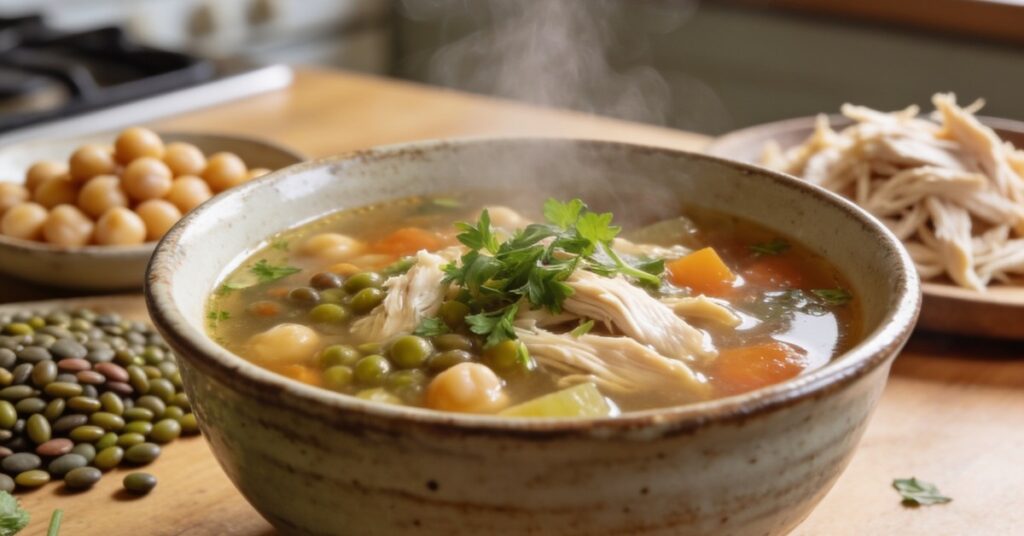
You can create protein-rich soups at home by incorporating ingredients such as lentils, poultry, and various beans, or you can opt for convenient store-bought varieties. There are several straightforward methods to elevate the protein content of your homemade recipes:
- Poultry options: Incorporate chicken breasts, thighs, minced chicken, or shredded cooked meat.
- Stock selection: Substitute standard vegetable or chicken stock with a high-protein bone broth.
- Legumes and pulses: Stir in chickpeas, red lentils, or white beans to add both texture and nutrients.
- Creamy additions: Use a blender to mix in Greek yoghurt, low-fat cottage cheese, or nutritional yeast to achieve a creamy consistency whilst increasing the protein profile.
Utilising these techniques can contribute an extra 20 to 25 grams of protein per 100g portion, whilst simultaneously helping to minimise food waste in your kitchen.
Market-leading options for protein soups
If you prefer ready-made meals, several reputable brands offer nutritious, chef-designed soups that serve as an excellent lunch or dinner choice. These products are often rich in fibre, complex carbohydrates, and essential proteins.
- RENOURISH +Thrive Chicken & Vegetable Soup: A delicious blend highlighting succulent chicken, leeks, and tomatoes. Prices are typically around £3.10 for a 500g container.
- Yorkshire Provender Chicken & Lentil Soup: A hearty choice featuring tender chicken and pulses, usually retailing between £3.00 and £3.50.
- Press Health Foods Protein Soup Variety Pack: A convenient bundle often available for approximately £25.00.
Key benefits of protein-rich soups
Many of these pre-prepared options are crafted with carefully selected herbs and warming spices. They are frequently low in fat, gluten-free, and count towards your recommended daily intake of vegetables. Whether you are meal prepping for the week or looking for a quick, wholesome dinner, these soups are designed to provide both maximum flavour and essential nutrition.
Understanding the Nutritional Value of High-Protein Soup Recipes
A soup is classified as high-protein when at least 20 percent of its total caloric content originates from protein, typically necessitating a target of over 20g of protein per serving. For individuals navigating intestinal health challenges, this threshold is vital because protein is the primary macronutrient required for cellular repair and maintaining lean muscle mass, especially during periods where digestion and absorption may be compromised. As a patient, you know that finding calorie-dense yet easily digestible options feels like a full-time job, but these high-protein soup recipes simplify that mission significantly, providing a nutritious way to meet your daily requirements.
Ever wondered if your favourite comfort food could actually be a powerhouse for your recovery? While standard clear vegetable or thin broth-based soups often provide a negligible 2 to 4 grams of protein per cup, intentional recipe construction can dramatically shift this profile, as shown in the comparison below. It is not just about the volume of food; it is about the quality of the fuel you put into your system during the critical phases of graft integration or intestinal rehabilitation. Whether you are craving a creamy tomato base or a hearty beef vegetable soup, understanding the protein density is key to successful management. A soup packed with quality ingredients ensures you are not just filling your stomach, but actively supporting your physiological repair processes.
| Soup Type | Protein per Serving |
|---|---|
| Clear Vegetable Broth | 2–4g |
| Curry Chicken Noodle Soup | 21g |
| Italian Wedding Soup | 44g |
Essential Ingredients for a Protein-Packed Lentil Soup or Chicken Soup Recipe
The most effective way to elevate the protein profile of any High Protein Soup is by incorporating high-biological-value ingredients such as bone broth, shredded poultry, and various legumes. Bone broth serves as an exceptional foundation, adding approximately 10 grams of protein per cup compared to standard broth, while simultaneously providing amino acids that are often soothing to the digestive tract. I have found that starting with a high-quality base often determines how well the final meal sits with your gut, especially when you are recovering from surgery.
Post-transplant recovery is a journey, and managing your nutrition is a huge step toward getting back to normal life; in my experience, sticking to the guidance of the transplant team is the best policy when introducing new ingredients. Beyond broths, incorporating specific animal and plant proteins ensures a balanced amino acid profile. Using turkey or chicken provides lean animal tissue, while canned beans like white beans offer a convenient plant-based protein source. To achieve creaminess without heavy dairy, you might consider using light coconut milk or blended cottage cheese, which adds a lovely texture and extra protein intake. Consider these staples for your pantry:
- Lean Animal Sources: Shredded leftover roast chicken, turkey, or chicken mini meatball options.
- Plant-Based Legumes: Red or green lentil, cannellini or white beans, and chickpea varieties.
- Textural Boosters: Firm tofu cubes or nutritional yeast for a savoury depth of flavour.
Practical Preparation Methods for Leftover Soup and Noodle Soup
High-protein soups are highly efficient to prepare, with many recipes requiring only 30 minutes of active time to create a nutritionally complete meal. For instance, a meatball and tomato soup can be finalised in just 20 minutes, while a classic chicken noodle soup takes roughly 40 minutes, allowing for consistent nutritional intake even when energy levels are low during recovery. When you are tired from hospital appointments, having a pre-made meal ready to heat is a genuine lifesaver, and these easy meals are great for meal prep.
- Plan your menu for the week to ensure you have base ingredients ready, such as pre-cooked grains or frozen veggie mixes.
- Batch-cook your protein-packed broth base on a Sunday to save energy during the week, as making soup in large batches is highly efficient.
- Store leftover portions in an airtight container, keeping them in the fridge for up to 4 days to maintain optimal safety and flavour.
- When you need to reheat, do so gently on the hob to maintain the integrity of the vegetables and proteins, perhaps adding a splash of water if the soup has thickened too much in the fridge.
- If you need to defrost a frozen portion, move it to the fridge the night before to ensure even thawing.
Techniques to Nourish with Broccoli and Spice in Taco Soup
You can significantly boost the protein content of your soup without using meat by strategically adding legumes, grains, and dairy derivatives during the final stages of the cooking process. Adding drained chickpeas, cannellini beans, or black beans during the last 5 to 10 minutes of simmer ensures they retain their texture while infusing the broth with plant-based protein. This technique is brilliant for those who sometimes find large pieces of meat difficult to chew or digest. If you are a fan of warming spices, adding a dash of cumin or coriander can enhance the taco soup profile without adding unnecessary sodium.
For a smoother texture that is often easier on a sensitive gut, try blending cooked beans or lentils directly into the soup base, which creates a rich, creamy mouthfeel without needing dairy fat. Important: Always monitor your symptom duration when introducing high-fibre broccoli or a new spice blend to ensure they are compatible with your specific graft function and digestive comfort. If you notice any bloating or discomfort when experimenting with a broccoli soup or a broccoli cheddar soup, pull back on the volume of beans and focus on the broth base first. Whether you are making a lentil soup recipe or a stuffed pepper soup, remember that soup is loaded with potential when you use the right thickeners like blended white beans.
Curated High Protein Chicken Soup Recipes
Selecting the right recipe depends on your specific digestive tolerance, with options ranging from creamy chicken infusions to vibrant, plant-forward vegetable soup. A standout choice for those needing high protein is the Fit Foodie Finds Creamy Chicken Soup, which provides 40–45g of protein per serving by using a combination of shredded rotisserie chicken breast, high-protein pasta, and 1 cup of 2% blended cottage cheese in a base of chicken bone broth. Every gram counts when you are trying to reach your daily calorie target, and soup made this way is both satiating and restorative.
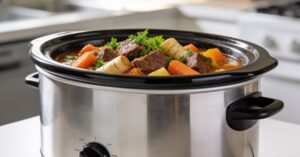
For a plant-focused approach that is gentle on the system, consider the Ultimate Cozy High Protein Soup, or the Red Lentil, Carrot, and Kale Soup, which naturally balance fibre and protein. Other reliable options include the EatingWell Tuscan bean soup, which delivers 44g of protein per serving, or a Mexican-inspired High Protein Chicken Soup that uses black beans and crushed tomatoes to reach approximately 40g of protein per serving. Integrating these meals into your weekly rotation is not just about nutrition; it is about reclaiming control over your health through simple, honest cooking. If you have a slow cooker, you can let your soup is full of flavour ingredients meld together over several hours, which is perfect for lunch or a quiet evening meal.
Frequently Asked Questions
Can I use gluten-free pasta in my high protein chicken soup recipe?
Yes, you can substitute standard pasta with high-protein, gluten-free options like chickpea or lentil-based noodles. Ensure you monitor your tolerance, as some gluten-free alternatives contain higher fibre levels which may affect sensitive digestion.
Is it safe to reheat soup multiple times?
It is generally safer to reheat only the portion you intend to eat immediately rather than the entire pot. Repeated cooling and reheating cycles increase the risk of bacterial growth, so portioning your leftover soup before refrigeration is the best practice.
How can I make my vegetable soup more satisfying without heavy cream?
You can achieve a rich, creamy consistency by blending silken tofu or white beans directly into the broth. This provides a velvety texture and a great for meal prep protein-packed boost while remaining without any dairy or traditional thickeners.
Are there specific spices that assist with digestion in post-transplant patients?
Gentle warming spices like ginger, turmeric, and fennel are often well-tolerated and can support digestive comfort. Always introduce new seasonings in small amounts to observe how your body responds, especially during the early stages of recovery.
Prioritising a protein-rich base is the most effective way to fuel your recovery and support long-term digestive resilience. Please listen to your body and work closely with your transplant team to ensure every bowl you prepare perfectly matches your unique healing journey.