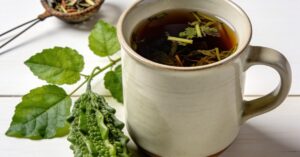
Navigating dietary choices after an intestinal transplant requires a careful balance between exploring natural wellness and maintaining the stability of your complex digestive system. In this article, I provide an evidence-based overview of Dandelion Root Tea, examining its potential health benefits alongside the critical safety precautions necessary for your recovery journey. You will learn how to evaluate if this herbal infusion fits into your personal nutritional plan and discover the essential steps to prepare it safely if your medical team approves its use.
Dandelion Root Tea is primarily valued for its potential to support metabolic processes, aid in healthy bile production, and provide prebiotic support for the gut microbiome through its high inulin content. While it is not a cure-all for gastrointestinal failure or liver disease, many patients find it to be a gentle, natural addition to their routine, provided they are not contraindicated by specific medical conditions or medication interactions. The core benefits stem from its rich profile of antioxidants and its ability to act as a mild diuretic, which helps manage fluid balance and oxidative stress. Understanding the specific Dandelion Roots Tea Benefits is essential for any patient looking to integrate herbal support without compromising their delicate intestinal balance.
Dandelion roots tea benefits
An overview of dandelion tea
Dandelion tea is a herbal beverage crafted from the leaves, flowers, and roots of the dandelion plant. Often favoured for its earthy, coffee-like profile, this naturally caffeine-free infusion is celebrated for its wide array of nutrients. It serves as a potent source of vitamins A, C, and K, as well as essential minerals such as potassium and calcium, which assist in combating oxidative stress and cell damage.
Key health advantages
Regular consumption of this herbal brew can positively influence various bodily functions. Historically utilised for its medicinal properties, dandelion tea is currently being researched for its multifaceted impact on human health:
- Liver and gallbladder support: It stimulates the production and secretion of bile, which is vital for the efficient emulsification and breakdown of dietary fats.
- Digestive health: Rich in inulin, a type of prebiotic fibre, it nourishes beneficial gut bacteria, promoting a balanced digestive environment.
- Fluid balance and bloating: It acts as a natural diuretic, providing relief from occasional bloating, mild water retention, and minor stomach discomfort.
- Anti-inflammatory properties: The presence of active compounds helps in regulating immune system responses and mitigating inflammation within the body.
- Vision support: Being an excellent source of Vitamin A, it may contribute to a reduced risk of ocular conditions like cataracts.
Safety considerations and side effects
While dandelion is generally regarded as safe for most individuals, there are important precautions to consider before incorporating it into your daily routine:
- Allergic reactions: Those with known sensitivities to plants within the Asteraceae family—such as ragweed or daisies—should exercise caution, as they may experience allergic responses.
- Medication interactions: Dandelion can interact with various pharmaceutical drugs, including diuretics, blood thinners, lithium, and medications prescribed for diabetes or hypertension.
- Potential side effects: Some individuals may report heartburn or, in certain circumstances, a drop in blood sugar levels.
Conclusion and consultation
The historical use of dandelion tea persists into modern times, supported by scientific interest in its antioxidant capacity and its ability to reduce lipid peroxidation. Since it can interact with specific medical treatments, it is highly advisable to consult with a healthcare professional before making it a regular addition to your diet.
Nutritional Profile and Health Benefits of Dandelion Tea
Dandelion root is a nutrient-dense botanical that offers a range of vitamins and minerals, including vitamins A, C, and K, alongside calcium and potassium, which are essential for maintaining systemic health. These micronutrients play a significant role in supporting immune function and bone density, which are often points of focus for individuals managing long-term digestive health. By incorporating these elements in a tea format, you are accessing a concentrated source of polyphenols and flavonoids designed by nature to combat oxidative stress at a cellular level. It is fascinating how such a common garden weed can pack a punch when it comes to fundamental nutrition, though for a transplant recipient, this should always be viewed as a supplement to, not a replacement for, a medically guided diet.
Beyond its vitamin content, the presence of inulin—a prebiotic fiber—is perhaps the most significant feature for gut health. Inulin acts as fuel for beneficial gut flora, fostering a more resilient microbiome which is often compromised in patients with intestinal conditions or those who have undergone transplant surgery. Furthermore, emerging evidence suggests that regular consumption may assist in regulating blood sugar levels and improving insulin sensitivity, while also supporting cardiovascular health by helping to manage cholesterol levels and blood pressure, provided the patient’s overall medical profile allows for such dietary inclusions. When you consider the Dandelion Roots Tea Benefits in this light, it becomes clear why so many patients are curious about its potential to improve their metabolic markers.
Dandelion Root Tea and Liver Health
Dandelion root serves as a functional aid for the liver and digestive tract primarily through its bitter compounds, such as sesquiterpene lactones like taraxinic acid, which stimulate bile production and facilitate the breakdown of dietary fats. This stimulation of bile flow is a traditional method for supporting liver function and improving the efficiency of digestion, particularly for those who struggle with sluggish bile production or discomfort after meals. The European Scientific Cooperative on Phytotherapy (ESCOP) recognises the root as a liver restorer, underscoring its historical and pharmacological significance in phytotherapy. It is worth noting that while these properties are well-documented in herbal circles, the intensity of these effects can vary significantly depending on the concentration of the brew and the individual’s unique digestive anatomy.
Clinical Perspective on Dandelion Extract and Liver Disease
The clinical reality of managing liver health, particularly concerning Non-Alcoholic Fatty Liver Disease (NAFLD) which affects up to one in three UK adults, requires a structured, evidence-based approach that transcends herbal supplementation. It is imperative to understand that there is no robust clinical evidence that Dandelion Root Tea treats or reverses established fatty liver disease in humans. For patients aiming to improve their liver health, management must rely on proven interventions, such as achieving a 7–10% weight loss and completing 150 minutes of weekly exercise. Furthermore, clinicians typically recommend using diagnostic tools like ELF tests or FIB-4 scores for accurate liver risk stratification, rather than relying on the consumption of herbal teas. If you are experiencing symptoms of liver dysfunction, your focus should remain firmly on clinical diagnostics and prescribed therapies managed by your hepatology team.
How to Make Dandelion Tea for Maximum Dandelion Benefits
To prepare Dandelion Root Tea for maximum benefits, you must use 1 to 2 teaspoons of chopped, roasted, or dried root per 1 cup of water, ensuring the extraction process is conducted with precision. Ever wondered if this fits into your recovery plan? Post-transplant recovery is a journey, and managing your nutrition is a huge step toward getting back to normal life, but it requires patience and a methodical approach. The process of turning a raw root into a beneficial infusion is a ritual that demands attention to detail, especially when ensuring that the product is free from contaminants that might be harmful to an immunocompromised system.
Step-by-Step Brewing Method
- Scrub fresh roots thoroughly to remove all soil and debris.
- Chop the roots into small, uniform pieces to improve surface area contact.
- Roast raw roots at 200°F (approx. 93°C) in an oven for 2 hours.
- Simmer the roasted roots in a saucepan for 15 to 20 minutes.
- Let the tea sit covered for 10 to 15 minutes to finish the infusion.
- Strain the liquid carefully to remove all fibrous residue.
Possible Side Effects and Safety of Dandelion Tea
Dandelion Root Tea carries specific risks that necessitate caution, particularly due to its function as a natural diuretic, which can lead to increased urine output and, consequently, dehydration or electrolyte imbalances. For the transplant community, these physiological shifts can be dangerous if not monitored, especially when combined with existing medications or compromised renal function. Furthermore, the tea contains compounds that may negatively interact with common prescriptions, making it essential to clear any herbal additions with your transplant coordinator or pharmacist before starting. The Dandelion Roots Tea Benefits are only truly beneficial if they do not interfere with the delicate balance of your immunosuppression regimen.
Who Should Avoid the Dandelion Plant?
| Category | Reason for Caution |
|---|---|
| Allergies | Ragweed, daisies, marigolds, chrysanthemums, chamomile, or yarrow. |
| Organ Disease | Kidney disease, gallstones, or blocked bile ducts. |
| Medications | Blood thinners (warfarin), lithium, diuretics, antibiotics, or diabetes drugs. |
| Special Status | Pregnant or breastfeeding women. |
Does Dandelion Tea Help Digestion and Bloating?
Dandelion Root Tea can provide relief for mild digestive discomfort and bloating by utilizing its prebiotic inulin content, its mild diuretic properties, and its role as a stimulant for bile production. Research indicates that dandelion products exhibit pharmacological effects against dyspepsia and gastroesophageal reflux disease, as noted in studies such as Y Li (2022). By acting as a mild stimulant laxative, it may assist those with sluggish transit; however, it is important to remember that excessive consumption may cause the opposite effect, resulting in mild stomach upset or diarrhea. When you are dealing with a sensitive gut, the goal is always stability, and introducing new stimulants should be done with a high degree of caution.
Important: If you are managing a condition like intestinal failure, any laxative effect must be discussed with a medical professional to ensure it does not interfere with nutrient absorption or hydration status. In my experience, even the most „natural” tea can throw a wrench in your delicate post-transplant balance if you aren’t careful, so always track your reactions in a food diary. This level of vigilance is exactly what separates those who struggle with their recovery from those who master the art of living well with a transplant.
Scientific Evidence behind the Effect of Dandelion
The scientific basis for dandelion benefits is supported by a growing body of research, including a 2022 review published in Nutrients (PMC9002813) which suggests that dandelion may support healthy metabolism. The identified phenolic compounds, including chicoric acid, chlorogenic acid, caffeic acid, taraxasterol, taraxerol, and luteolin, contribute to the plant’s documented anti-inflammatory and antibacterial properties. These substances are the primary drivers of the observed effects, such as the protection of the liver from oxidative stress and the reduction of stored liver fats in animal studies. While these findings are promising, they are primarily derived from controlled environments, not the complex, multi-medicated reality of a transplant patient’s daily life.
Despite these promising findings, it is crucial to interpret the data carefully. A small human pilot study demonstrated increased urinary frequency over a 5-hour period following the consumption of dandelion leaf extract, confirming its diuretic capability, but larger, more robust human trials are still required to validate many of the other health claims. Patients should be aware that these compounds can interact with blood thinners, lithium, certain diuretics, and blood sugar medications, and that side effects such as mild heartburn, diarrhea, or stomach irritation are possible, meaning that personal tolerance must always be assessed slowly and under clinical guidance. Do not let the allure of „natural” health cloud the fact that your graft function is the priority above all else.
Frequently Asked Questions
Is it safe to consume Dandelion Tea while taking immunosuppressants?
No, you should never start consuming Dandelion Tea without explicit approval from your transplant team. Certain compounds in the plant may alter how your body metabolises essential medications, potentially leading to dangerous fluctuations in drug levels.
Can Dandelion Root Tea replace standard medication for digestive issues?
Absolutely not; this herbal tea is intended only as a complementary support and lacks the clinical potency of prescribed medical treatments. Relying solely on herbal remedies for complex conditions like malabsorption or chronic inflammation is unsafe and may delay necessary medical intervention.
Does the method of preparation change the potential health benefits of Dandelion Tea?
Yes, the preparation method significantly impacts the chemical composition and bioavailability of the active compounds. Roasting the roots helps develop specific flavours and alters the concentration of certain polyphenols, which is why following a standardised preparation process is recommended.
Are there specific times of day that are better for drinking Dandelion Root Tea?
While there is no strict rule, many patients find it best to drink small amounts with a meal to aid digestion without overstimulating the gut. Avoiding consumption close to bedtime is advised, as the natural diuretic effect may cause unwanted interruptions to your sleep cycle.
Integrating herbal infusions into your routine requires a clear dialogue with your medical team to ensure that these natural compounds do not interfere with your critical medications. Always prioritise your clinical stability and keep a detailed record of your symptoms to ensure any new dietary addition serves your long-term health goals.