For patients managing intestinal health or navigating the complex recovery process post-transplant, maintaining precise fluid balance is a critical, often challenging, component of your daily care. In this article, you will discover whether peppermint tea effectively contributes to your hydration goals and learn how to safely integrate this soothing, caffeine-free infusion into your clinical nutritional plan. By understanding the evidence-based facts behind your fluid choices, you can confidently manage your daily intake while supporting your digestive recovery.
Does peppermint tea count as water intake
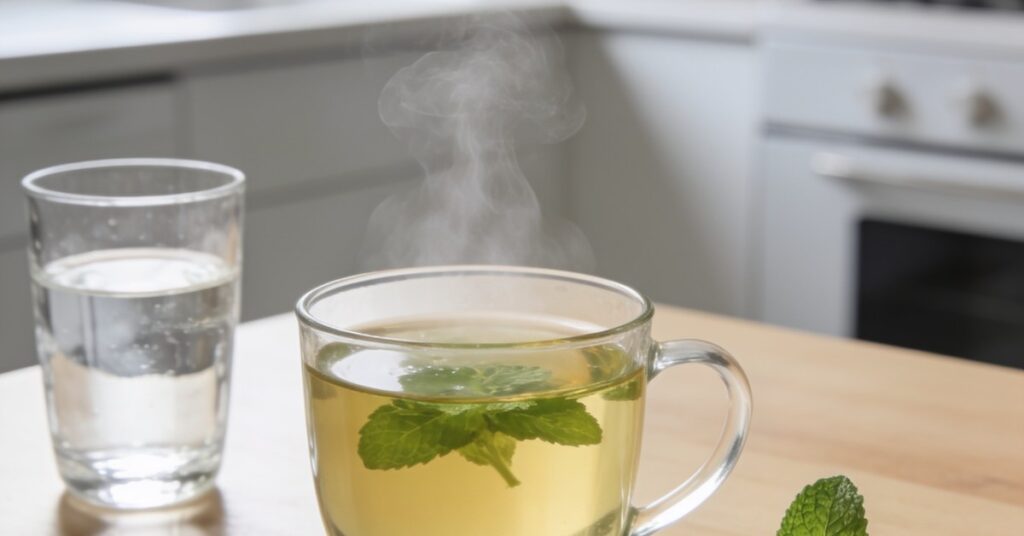
Yes, peppermint tea is fully recognised as a contributor to your total daily water intake. As it is naturally free from caffeine and consists of approximately 99% water, it provides hydration as efficiently as a standard glass of plain water.
Understanding the hydration impact of various teas
Tea is available in numerous forms, each possessing different properties regarding hydration. It is a common misconception that tea leads to fluid loss, yet most varieties contribute positively to your daily requirements.
The benefits of herbal infusions
Herbal varieties such as peppermint, chamomile, rooibos, ginger, and hibiscus are entirely caffeine-free. Because they do not contain substances that act as mild diuretics, they serve as an excellent method for maintaining hydration levels during the day. Experts from reputable health organisations confirm that these infusions can be counted on a cup-for-cup basis just like plain water.
Key reasons why peppermint tea supports hydration
- Zero Caffeine Content: Unlike black or green teas which contain mild stimulants, peppermint tea is a pure herbal infusion. It does not lead to any increased loss of fluids.
- No Need for Adjustments: There is no requirement to subtract or discount your intake when consuming this herbal beverage; every glass accounts for its full volume in your daily fluid totals.
- Simple Composition: At its core, the beverage is simply water infused with dried peppermint leaves, making it a natural and wholesome choice.
Tips for integrating peppermint tea into your routine
To ensure you are using this beverage as a healthy substitute for plain water, consider the following recommendations from health guidelines:
- Avoid Additives: Refrain from adding sugar, syrups, or honey, as these introduce unnecessary calories and may be detrimental to dental health.
- Try It Chilled: If you prefer variety in your drinks, brewing the tea in advance and serving it over ice makes for a refreshing alternative during warmer weather.
- Maintain Variety: While peppermint tea is an effective way to hydrate, it remains good practice to include several glasses of plain, unflavoured water in your daily schedule to ensure a balanced intake.
Broader perspectives on fluid intake
While various caffeinated and non-caffeinated drinks can contribute to your hydration goals, sticking to unsweetened options is the best strategy. Whether you enjoy lemon and ginger infusions or classic peppermint, herbal teas serve as a versatile and beneficial component of a well-rounded hydration plan.
Does Peppermint Tea Count As Water Intake And Help You Stay Hydrated?
Yes, peppermint tea counts fully towards your daily fluid intake, acting as an effective, hydrating alternative to plain water. Because it is composed of approximately 99% water and is naturally caffeine-free, it is recognised by organisations like the NHS and the Harvard T.H. Chan School of Public Health as a valid contributor to your total daily fluid requirements. Everyday Health confirms that herbal teas can be counted on a cup-for-cup basis, allowing you to meet your hydration targets without relying solely on plain water, provided you avoid the addition of sugar, honey, or syrups.
Understanding How Peppermint Tea Hydration And Fluid Intake Compare
Peppermint tea is effectively hydrating when consumed in moderation, functioning similarly to plain water due to its water-based composition. Because the beverage contains zero caffeine, it avoids the mild diuretic effects that can sometimes be associated with other types of tea. It is a reliable way to contribute to your daily fluid needs; however, it is important to note that drinking more than 8 glasses at once can have a dehydrating effect, so consistency throughout the day is far more beneficial for your system than a single large volume. Many patients often ask themselves, „Does Peppermint Tea Count As Water Intake,” and the clinical answer remains a resounding yes, provided you maintain that moderate, steady pace.
Does Caffeine Affect Your Tea Count As Water Intake Strategy?
Pure peppermint tea made from Mentha piperita leaves contains zero caffeine, meaning it does not interfere with your body’s hydration processes. Unlike other beverages that might cause fluid loss, this herbal infusion does not act as a diuretic, allowing it to contribute fully to your net fluid balance. Research published by Diane L. McKay and Jeffrey B. Blumberg in Phytother Res in 2006 highlights the bioactivity of peppermint, confirming that it hydrates the body just as effectively as plain water while providing a calorie-free beverage option for those monitoring their nutritional intake.
Recommended Daily Fluid Intake And Safety Guidelines
The generally accepted safe range for hydration is 3 to 5 cups of peppermint tea daily, which equates to a volume of approximately 700ml to 1.2 litres. While most clinical studies suggest that 2 to 3 cups is a sufficient and comfortable amount, you should avoid exceeding 4 to 5 cups as a daily maximum to prevent potential side effects. Staying within this range ensures you benefit from the caffeine-free nature of the tea while counting every cup directly toward your total daily fluid goals.
| Intake Level | Hydration Status | Practical Advice |
|---|---|---|
| 2–3 cups | Optimal | Recommended for daily enjoyment. |
| 4–5 cups | Maximum | Monitor your gut for potential reflux. |
| 8+ cups | Risk | Avoid; may lead to dehydration. |
Considerations For Sensitive Digestive Systems
For individuals with complex gastrointestinal conditions, plain water remains the gold standard because it contains zero additives, plant oils, or flavourings that might irritate a sensitive gut. While peppermint tea contributes to your overall daily fluid volume, excessive consumption may occasionally cause acid reflux or bladder irritation in some patients. Always balance your intake with plain water to ensure you are meeting the Oxford Health NHS Foundation Trust recommendation of 1.5 to 2.0 litres of fluid per day without overloading your system with plant-based compounds.
Important: Post-transplant recovery is a journey, and managing your nutrition is a huge step toward getting back to normal life. Ever wondered how to keep track of this fluid intake effectively?
- Keep a simple hydration log to track both water and herbal tea intake.
- Monitor for any changes in your graft function or digestive comfort after introducing new drinks.
- Consult your transplant dietitian before making any major changes to your fluid regimen.
Water Vs Herbal Tea For Weight Management
Herbal tea options are excellent tools for hydration during weight management because they are 95% to 99% pure water and contain zero calories when consumed unsweetened. Classified as a „true” herbal tea, peppermint provides a flavourful way to reach the fluid intake guidelines set by the National Academy of Sciences, which recommends 2.7 litres of fluid per day for women and 3.7 litres for men. To hit these targets, women should aim for approximately 9 8-oz cups and men for 13 8-oz cups, remembering that about 20 percent of this total actually comes from the food you eat throughout the day.
Frequently Asked Questions
Are there specific types of tea that count as water?
Yes, most herbal teas, such as peppermint, chamomile, and rooibos, count towards your daily fluid intake because they consist almost entirely of water. Unlike black or green teas, these herbal varieties are naturally caffeine-free and do not cause the mild diuretic effect that might otherwise impact your hydration status.
Can I drink a lot of peppermint tea to meet my water goal?
While you can use peppermint tea to reach your daily fluid goals, it should not be your sole source of hydration. We recommend sticking to the 3 to 5 cup limit to ensure you enjoy the benefits without experiencing digestive discomfort or potential bladder irritation.
Does sparkling water hydrate as well as tea?
Yes, plain sparkling water provides the same level of hydration as still water or herbal tea. Ensure your sparkling water does not contain added sugars or artificial sweeteners, which can be problematic for those with sensitive digestive systems.
What if I need water but dislike the taste of plain water?
If you struggle to drink more water, infusing it with fresh cucumber, lemon, or opting for unsweetened herbal teas is an excellent strategy. These alternatives provide the necessary fluids to keep your body hydrated while making the process of meeting your daily targets more enjoyable.
Integrating this caffeine-free infusion into your daily regimen is a safe and effective way to meet your hydration needs while supporting your digestive recovery. Always prioritise plain water for the majority of your intake, keeping your peppermint tea consumption within the 2 to 5 cup range to ensure maximum benefit without unnecessary gut irritation.