Navigating the complexities of post-transplant nutrition requires a cautious approach to herbal supplements, as even traditional remedies like Cerasee Tea can significantly impact your recovery and medication stability. This article provides a clinical overview of the potential benefits and serious risks associated with Cerasee, helping you understand whether it has a place in your specific digestive care plan. We will guide you through evidence-based safety precautions so you can make informed decisions that protect your graft and long-term intestinal health.
The primary benefits of drinking Cerasee Tea lie in its traditional use as a digestive tonic and a source of micronutrients, though its clinical efficacy remains secondary to the significant risks it poses for patients with compromised intestinal health. Ever wondered if this traditional brew actually fits into your recovery plan? While proponents value the tea for its ability to address minor digestive complaints, the potential for dangerous interactions with medication or blood glucose levels means it is rarely recommended for those managing complex gastrointestinal conditions or recovering from intestinal transplantation.
Benefits of drinking cerasee tea
An Overview of Cerasee Tea
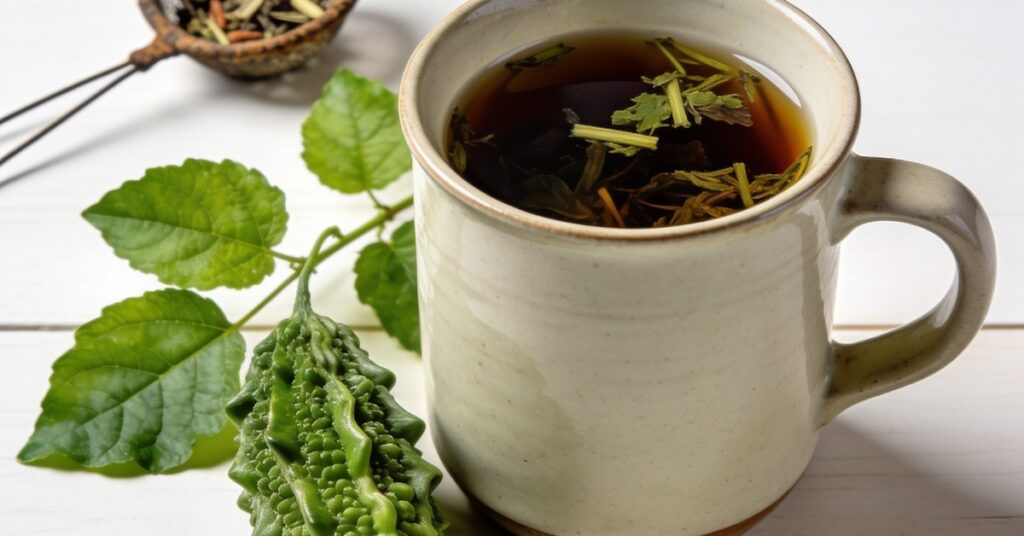
Cerasee tea, prepared from the leaves and stems of the Momordica charantia plant—commonly recognised as bitter melon—serves as a cornerstone of Caribbean traditional medicine. This potent herbal infusion has been utilised for generations to address a variety of health concerns. Whilst it is celebrated for its therapeutic properties, it is essential to approach its consumption with a degree of prudence.
Key Health Advantages
The utilisation of this bitter herb is widespread due to its diverse array of potential health improvements. Its unique chemical profile is rich in essential nutrients, including iron, phosphorus, and vitamins A and C, which collectively support general physiological well-being.
- Blood Glucose Management: The tea is frequently employed to assist in the regulation of blood sugar levels. Research indicates that its active constituents may enhance insulin sensitivity, potentially assisting those managing hyperglycaemia.
- Detoxification: Within Jamaican culture, the brew is traditionally described as a „blood wash.” It is consumed with the intent of naturally purging the system of toxins and facilitating internal cleansing.
- Digestive Support: The distinct bitterness of the plant acts as a stimulant for digestive enzymes. This makes it a favoured remedy for alleviating symptoms such as bloating, indigestion, and minor constipation.
- Skin Health: Beyond oral consumption, cooled cerasee tea is often applied topically. It is traditionally used as a soothing wash or added to baths to treat conditions like acne, eczema, rashes, and various skin sores.
- Antiviral Properties: Emerging observations suggest that the plant possesses antiviral potential, further contributing to its status as a versatile traditional medicinal agent.
Safety Precautions and Contraindications
Despite its long-standing history as a folk remedy, it is vital that individuals exercise caution before integrating cerasee tea into their daily regimen. Interaction with existing health conditions or medications can lead to adverse effects.
- Pregnancy and Fertility: Women who are pregnant or attempting to conceive should strictly avoid this tea. The plant contains compounds that have been shown to induce contractions and may lead to negative fertility outcomes.
- Hypoglycaemic Risks: For individuals currently managing diabetes with medication, the consumption of cerasee may cause blood sugar levels to drop to dangerously low levels. Continuous monitoring is essential if the tea is consumed.
Final Considerations
Whilst cerasee remains a cherished element of Caribbean heritage, it is not a substitute for professional medical advice. If you are considering the regular intake of this herbal infusion, it is strongly recommended that you consult with a healthcare professional to ensure it is appropriate for your specific health needs and that it will not conflict with any ongoing treatments.
Nutritional Profile and Health Benefits of Cerasee Tea
Cerasee Tea serves as a modest source of essential micronutrients, including Vitamin A, Vitamin C, phosphorus, and iron, which are integrated into the body through the infusion process. These nutrients are vital for general immune support and tissue repair, though they are usually more reliably obtained through a balanced diet tailored to your specific intestinal absorption capabilities.
Key Nutrients and Benefits of Cerasee
Beyond its vitamin content, the plant contains active compounds known for their antiviral properties, leading to its widespread use in folk medicine. In traditional Jamaica practices, the leaves are not only brewed as a tea but are also applied topically as a compress to help soothe inflammatory skin conditions such as eczema, rashes, acne, and various sores, offering a multi-faceted approach to wellness outside of internal consumption.
Impact of Cerasee Tea on Digestion and Gastrointestinal Function
Cerasee Tea acts primarily as a bitter tonic that triggers the production of digestive enzymes, which may assist in managing mild bloating, gas, and indigestion for individuals with a healthy, functioning gut. Its traditional application as a mild laxative makes it a remedy for relieving constipation, and it has historically been used to assist in the expulsion of intestinal worms and parasites.
Mechanisms of Digestive Relief when you Use Cerasee
The bitter profile of the leaves acts as a stimulant for the digestive tract, encouraging the body’s natural enzymatic response to food intake. However, for those with intestinal sensitivities or previous surgeries, this stimulation can be counterproductive; excessive consumption often leads to unwanted belly pain, severe cramps, and diarrhoea, while strong brews may place unnecessary stress on the liver, which is a major concern for patients on long-term immunosuppression.
Benefits of Drinking Cerasee Tea and Metabolic Considerations
Cerasee Tea, scientifically known as Momordica charantia, is frequently investigated for its potential to lower blood glucose levels, but this effect is highly unpredictable and poses a high risk for medical instability. A 1985 study in Diabetes Research and a 2016 study by A. Burnett have explored how these compounds might improve glucose tolerance in animal models, showing that chronic oral administration over 13 days can indeed influence metabolic markers in mice and rats.
Despite these findings, the clinical reality for human patients is that combining this tea with prescribed diabetes drugs or insulin can trigger sudden, dangerous episodes of hypoglycemia. Because of this, medical professionals generally recommend that if the tea is consumed at all, it should be restricted to extremely occasional use to prevent significant metabolic interference. Understanding the nuanced benefits of drinking Cerasee Tea requires acknowledging that these metabolic shifts are often unsafe for transplant recipients.
| Factor | Clinical Reality |
|---|---|
| Recommended Frequency | 2-3 times a month maximum |
| Primary Risk | Hypoglycemia / Liver stress |
| Medication Conflict | High (Anti-diabetics/Insulin) |
Critical Safety Guidelines for Health Benefits of Cerasee Tea
The most significant risks associated with Cerasee Tea include its potential to cause acute stomach pain, vomiting, and a drastic drop in blood pressure, making it a hazardous choice for anyone with a fragile digestive system. Furthermore, the tea has been linked to the development of anaemia in children, and it may dangerously interfere with the efficacy of medications used for blood glucose management.
Essential Precautions for Vulnerable Groups
Pregnant women must strictly avoid Cerasee Tea, as it is known to induce abortion or miscarriage by triggering uterine contractions. Additionally, because there is no reliable research confirming whether the active chemicals pass into breast milk, medical sources advise against its consumption during both pregnancy and breastfeeding to ensure the safety of the infant and the mother.
Best Practices for Preparation and Safe Consumption of Tea
Post-transplant recovery is a journey, and managing your nutrition is a huge step toward getting back to normal life, so treat every new introduction with the respect it deserves. To prepare the infusion safely, follow these steps:
- Use exactly one teaspoon of dried leaves or one commercial tea bag per cup.
- Simmer fresh leaves and stems in boiling water for 10 to 15 minutes.
- Steep commercial bags for 5 to 10 minutes.
- Always strain out loose leaves to prevent gut irritation.
How to Prepare and Moderate Intake
To make the tea more palatable, you may add honey, lemon, or mint, but you must ensure that these additions do not mask the signals of digestive distress. Remember: Do not consume this tea if you are trying to conceive, and always consult your doctor before use if you are managing diabetes or taking any form of medication that requires stable blood sugar levels. Given the risk of liver damage and systemic side effects, it should never be used as a continuous daily drink. While the potential benefits of drinking Cerasee Tea are often highlighted in folklore, they rarely outweigh the significant risks to your delicate post-operative physiology.
- Consult your dietitian before trying new herbal teas.
- Monitor your blood sugar closely if you decide to experiment with any herbal products.
- Keep a food diary to track how your graft function responds to new dietary items.
Frequently Asked Questions
Can I use Cerasee Tea to help with weight loss after transplant?
No, you should not use this tea for weight management purposes. The risks of metabolic interference and liver stress far outweigh any potential weight-related benefits, especially for those on immunosuppressive therapy.
Does the origin of the plant matter for the safety of Cerasee Tea?
Yes, the source and quality can impact the concentration of active compounds. Regardless of whether it is harvested in Jamaica or elsewhere, the bioactive properties remain potent enough to cause severe side effects in medically fragile individuals.
Are there any specific signs of liver stress to watch for?
Signs of liver stress may include jaundice, dark urine, or persistent upper abdominal pain. If you notice these symptoms after consuming herbal infusions, seek medical attention immediately.
Can I combine this tea with other herbal supplements?
Combining multiple herbal supplements is strongly discouraged, as it increases the risk of unpredictable drug-herb interactions. Always check with your transplant coordinator before adding any new supplement to your daily regimen.
Always prioritise professional medical advice over traditional herbal remedies to ensure your long-term health remains stable. Protecting your graft by avoiding unpredictable herbal supplements is the most reliable way to maintain the progress you have worked so hard to achieve.