Ensuring your infant receives adequate iron is a cornerstone of healthy development, yet for families navigating the unique challenges of intestinal failure or post-transplant recovery, this nutritional milestone requires a nuanced and medically informed approach to safeguard fragile digestive function. In this article, I provide evidence-based guidance on selecting the most bioavailable iron sources, practical strategies for optimising nutrient absorption, and essential safety protocols to help your child thrive. You will learn exactly how to balance iron-rich foods with your child’s specific digestive needs, ensuring you feel confident and well-prepared for every stage of their weaning journey.
The best iron-rich foods for infants starting solids include a variety of heme sources like red meat (beef, lamb, pork, bison, buffalo, elk, goat, mutton, venison), poultry (dark meat chicken, turkey, chicken liver, duck, goose, quail), and fish (arctic char, haddock, herring, mackerel, salmon, sardine, trout), alongside non-heme options such as iron-fortified infant cereals (oatmeal, barley, rice, multigrain), legumes (lentils, chickpeas, black beans, white beans), soft tofu, seeds (hemp seeds, tahini, nut butters), and cooked vegetables (spinach, broccoli, tomato, sweet potato). These foods are essential to provide the recommended 11 milligrams of iron per day for infants aged 7 to 12 months, which is critical for preventing iron deficiency and supporting metabolic health in babies with complex digestive histories. Providing these nutrient-dense options early ensures that your child builds a solid foundation for their long-term growth, even when navigating the complexities of digestive recovery or post-transplant management.
Iron-rich foods for infants
When to introduce solid foods
While infants are typically born with sufficient iron reserves, these stores begin to deplete by the age of six months. At this developmental milestone, it is essential to incorporate iron-dense foods into their daily diet. Prior to this age, exclusive breastfeeding or infant formula feeding is recommended as the sole source of nutrition.
Categorising iron sources
Iron found in food is classified into two distinct types:
- Heme iron: Sourced from animal proteins, which is highly bioavailable.
- Non-heme iron: Derived primarily from plant-based sources.
Animal-based iron sources
Including high-quality animal proteins helps ensure your baby receives adequate heme iron:
- Red meat: Offer beef, lamb, or pork prepared as meatballs, pureed, or finely minced.
- Poultry: Dark meat from chicken or turkey, served blended until smooth or shredded finely.
- Fish and seafood: Soft-cooked or tinned salmon, sardines (mashed), and light tuna.
- Organ meats: Small, occasional portions of blended chicken or beef liver.
Plant-based and fortified iron options
To provide a varied diet, offer these nutrient-dense alternatives:
- Fortified cereals: Oats or multi-grain infant cereals prepared with expressed breast milk or formula.
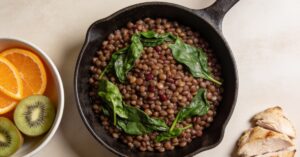
- Legumes: Pureed lentils, chickpeas, black beans, or smooth hummus.
- Soy products: Soft, mashed tofu or edamame paste.
- Nut and seed butters: Smooth peanut, almond, or pumpkin seed butter, thinned with warm water, or finely ground chia and hemp seeds.
- Dark green vegetables: Broccoli or spinach that has been thoroughly cooked and pureed.
Optimising iron absorption
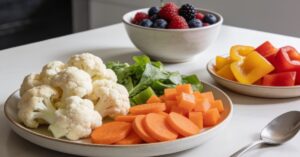
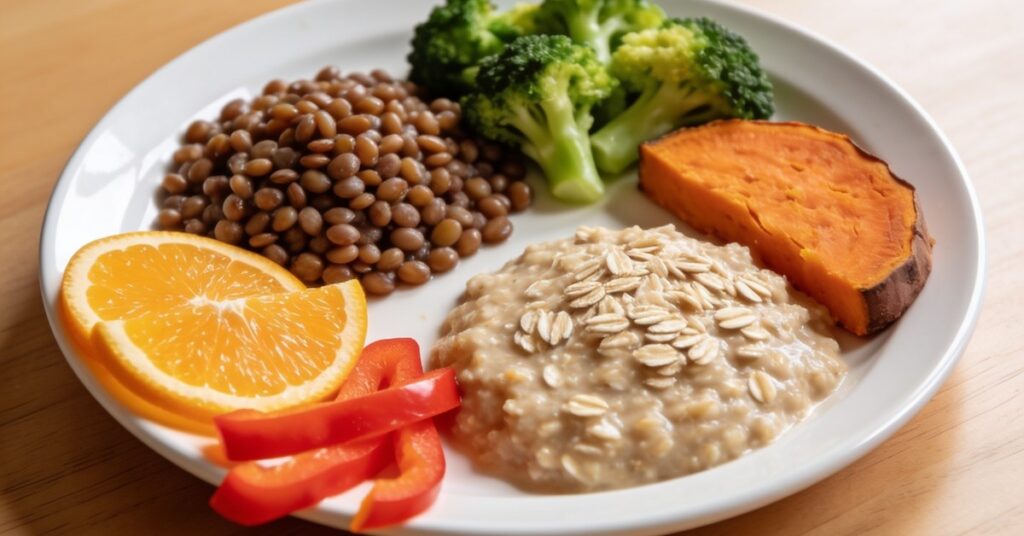
To improve the absorption of non-heme (plant-based) iron, combine these foods with sources of Vitamin C. Suitable pairings include soft fruits or vegetables such as kiwi, mango, strawberries, oranges, or bell peppers.
Important nutritional considerations
It is vital to provide protein-rich foods such as eggs, pulses, and meat as part of a weaning diet. If you choose to follow baby-led weaning, always adhere to established safety guidelines and consult official NHS weaning advice to ensure appropriate food preparation and portion sizes for your infant’s stage of development.
Understanding Iron-Rich Foods For Babies And Their Deficiency Signs
An infant’s daily iron requirement is 11 milligrams per day for those aged 7 to 12 months, while standard iron-fortified infant formulas provide 12 mg/L to bridge the gap during the early stages of development. Maintaining these levels is particularly vital for infants recovering from intestinal surgery, as their capacity to absorb nutrients from a standard diet may be compromised, making precise monitoring of their iron intake an essential part of their ongoing clinical care.
Recognising The Symptoms When Babies Need Iron
Signs of iron deficiency in infants include irritability, shortness of breath, a decreased appetite, fatigue, weakness, pica (the craving of unusual, non-food items), a sore tongue, recurring headaches or dizziness, brittle nails, and pale skin, lips, hands, or under the eyelids. In clinical settings, we often look for subtle indicators such as blue-tinged or pale whites of the eyes, which can suggest that the body is struggling to maintain sufficient haemoglobin levels, necessitating immediate nutritional adjustment or medical intervention.
Best Iron-Rich Foods For Babies And Optimal Sources
Heme iron, the most readily absorbed form of the mineral, is found in animal proteins such as beef, chicken, turkey, fish, and shellfish, while non-heme iron sources include lentils, beans, tofu, egg yolks, and dark green leafy vegetables. For infants with sensitive digestive systems, integrating these sources requires careful observation; heme iron is typically easier for the gut to process, while non-heme sources provide necessary variety and fibre, provided they are prepared in a way that respects the infant’s current digestive capacity.
| Iron Source Type | Examples | Absorption Efficiency |
|---|---|---|
| Heme Iron | Beef, Lamb, Turkey, Salmon | High |
| Non-Heme Iron | Lentils, Tofu, Spinach, Beans | Lower (needs Vitamin C) |
The Role Of Iron-Fortified Cereals As A Source Of Iron
Iron-fortified infant cereals serve as a consistent, reliable source of iron, with recommended options including oat, barley, wheat, multigrain, and rice varieties. When selecting these products, look for established, fortified breakfast options like Weetabix or Ready Brek; however, I strongly advise choosing oat and barley cereals over rice-based options to limit unnecessary heavy metal exposure, a proactive step that is highly recommended for children with long-term digestive sensitivity.
How To Start Solid Foods And Get Enough Iron
You should introduce iron-rich meals to your infant at approximately 6 months of age, starting with small, cautious portions of 1 to 2 teaspoons to monitor digestive response. This controlled introduction is essential for patients with a history of intestinal failure, as it allows you to observe how the transplanted or recovering gut manages the introduction of complex solid proteins and minerals. Ever wondered if your little one’s gut is ready for that first bite? Start slow and keep a log.
- Start with a single-ingredient, iron-rich puree.
- Wait 2-3 days between introducing new foods to monitor for reactions.
- Keep a food diary to track intake and digestive comfort.
Optimising Iron Absorption With Vitamin C
Iron absorption is significantly increased when you pair plant-based foods with Vitamin C-rich foods like broccoli, strawberries, oranges, tomatoes, or bell peppers. This strategy is particularly effective for vegetarian diets or for infants who might have trouble digesting large amounts of animal protein, as the Vitamin C acts as a chemical facilitator, helping the gut transport iron more efficiently into the bloodstream.
Common Pitfalls For Babies And Toddlers Need Iron
The most common mistakes when feeding iron-rich foods infants require include relying solely on green vegetables for iron, serving cow’s milk or formula at the same time as iron-rich meals, and failing to limit cow’s milk intake to a maximum of 500ml per day for children aged 1 to 5. These errors can inadvertently block iron absorption or displace more nutrient-dense food options, which is a major concern for parents managing the recovery or maintenance of a child’s intestinal health.
Important: Always consult your transplant team before making major diet changes, as individual graft function and medication schedules can dictate specific nutritional tolerances.
Managing Dietary Interactions For Babies And Toddlers
You must avoid serving tea and coffee to infants due to the presence of polyphenols and tannins that actively block iron absorption, and you should never offer cow’s milk as a drink before the age of one. Additionally, while liver is a potent source of iron, it should be strictly limited to about one teaspoon, served only once or twice a week to avoid vitamin A toxicity. Post-transplant recovery is a journey, and managing your nutrition is a huge step toward getting back to normal life; don’t be afraid to lean on your dietitian for the heavy lifting.
- Consult your dietitian for personalised iron targets.
- Monitor your infant’s daily intake for consistency.
- Stay hydrated throughout the day to support overall digestion.
Frequently Asked Questions
How do I manage iron intake if my child has an ostomy?
Children with an ostomy may experience faster transit times, meaning they require highly bioavailable iron sources like heme-rich meats. Always work with your paediatric dietitian to ensure the form of iron provided is appropriately absorbed given your child’s specific intestinal anatomy.
Does the cooking method affect the iron content in solid food?
Yes, prolonged boiling can leach minerals into the cooking water, so steaming or roasting is generally preferred to retain nutrient density. For iron-rich vegetables, consuming the cooking liquid as part of a puree or soup can help ensure no nutrients are lost during the preparation process.
Are there specific signs of iron overload I should watch for?
While deficiency is more common, iron overload can occur if supplements are used incorrectly, leading to symptoms like abdominal pain or nausea. Always stick to dietary sources unless a blood test confirms a clinical deficiency that necessitates medicinal supplementation under medical supervision.
How can I tell if my baby is getting enough iron from plant-based foods?
The best way to gauge success is through regular growth monitoring and routine blood screenings ordered by your paediatrician. If your baby remains active, shows consistent growth, and maintains a healthy skin colour, they are likely thriving on their current plant-based iron regimen.
Pairing iron-rich foods with Vitamin C is your most powerful tool to ensure your baby absorbs the nutrients they need for healthy development. Remember that you are doing a fantastic job, and your paediatric team is always there to help you navigate these nutritional milestones with confidence.