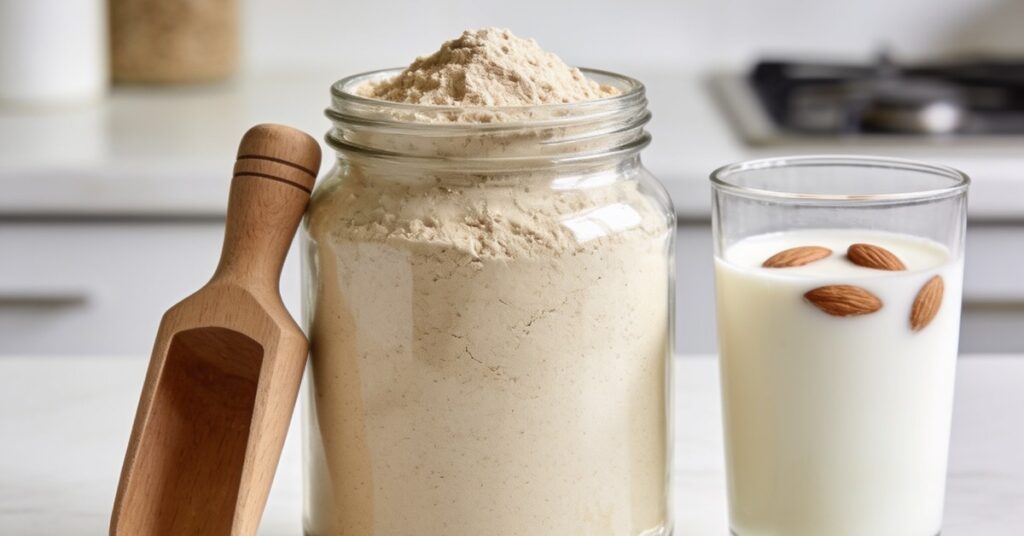
For patients navigating the complexities of intestinal recovery or post-transplantation care, selecting a protein supplement that supports muscle synthesis without compromising delicate gut function is a vital nutritional challenge. In this article, you will learn how to evaluate plant-based protein powders for digestibility, identify safe ingredients that avoid common gastrointestinal irritants, and master practical methods for integrating them into your daily recovery diet. We provide evidence-based guidance to help you make informed decisions that align with your specific digestive health requirements.
Plant protein powder is a concentrated, dairy-free nutritional supplement derived from various botanical sources, designed to provide essential amino acids for muscle repair and recovery without the lactose often found in traditional whey products. For individuals managing intestinal health or recovering from surgery, these powders serve as a versatile tool to meet increased protein requirements while minimising the risk of dairy-induced inflammation or digestive discomfort.
Comparing Plant-Based Protein Powder and Whey for Sensitive Systems
Plant-based protein is naturally free of lactose and serves as an ideal alternative for individuals with dairy allergies, providing a safer profile for those with sensitive digestive tracts. While whey protein is a complete source containing all nine essential amino acids—and boasts a higher concentration of leucine and a superior PDCAAS—it can be problematic for those with post-transplant dairy sensitivities. In contrast, plant formulas are often produced with a smaller environmental footprint and are frequently enriched with added fibre and digestive enzymes to assist with breakdown in the gut.
| Feature | Whey Protein | Plant Protein |
|---|---|---|
| Lactose Content | High | Zero |
| Absorption Time | 2–3 hours | 3–4 hours |
| Digestibility | Very High | 80%–95% |
Nutritional Quality and Complete Sources of Plant-Based Protein
A complete protein is defined by its ability to provide all nine essential amino acids in consistent, sufficient amounts, which is vital for tissue regeneration. Soy protein and hemp protein are inherently complete, whereas single-source powders like rice or Pea protein powder may lack one or more of these critical building blocks. By utilising blended powders that mix two or more plants, such as pea combined with brown rice or pea paired with hemp, you can ensure a comprehensive amino acid profile. Ever wondered if your supplement choice truly hits all those metabolic targets?
Digestibility, Absorption, and Pea Protein Powder Benefits
The digestibility of plant protein powder generally ranges from 80% to 95%, with specific variants like soy protein isolate achieving a high 95% to 98% efficiency, while Pea protein isolate ranges from 83% to 90%. Absorption of these plant-based options typically takes between 3 to 4 hours, which is slightly slower than the 2 to 3-hour window required for whey protein. To support gut health and avoid overloading the digestive system, we recommend an optimal dosage of 20 to 30 grams per serving, which allows for steady nutrient uptake without causing excessive intestinal stress.
Practical Tips for Selecting the Best Vegan Protein Powders
Selecting the best vegan protein powders involves prioritising products that offer 20–25g of protein and at least 2g of leucine per serving to effectively stimulate muscle growth. For those with specific dietary restrictions, formulas are available in soy-free, gluten-free, and grain-free options to ensure maximum safety. Post-transplant recovery is a journey, and managing your nutrition is a huge step toward getting back to normal life; in my experience, sticking to the guidance of the transplant team is the best policy.
- Check labels for „clean” ingredients (no artificial flavours or sweeteners).
- Prioritise multi-source blends to ensure all amino acids are present.
- Start with a smaller dose to see how your gut reacts.
- Look for third-party testing to ensure the product is free of heavy metals.
Managing Potential Side Effects of Plant Protein Powders
Digestive discomfort is a real risk when introducing new supplements, and it is often triggered by specific additives or high-fibre ingredients found in plant-based powders. Bloating and gas are common side effects of high-fibre sources like pea or soy, while thickeners such as xanthan gum can cause significant unease in a sensitive gut. Furthermore, sugar alcohols like erythritol or xylitol are frequent culprits behind stomach cramping, and added sugars can lead to blood sugar spikes or unintended weight gain. Because there is currently a lack of strict FDA oversight regarding product safety and labelling, you must also be aware of the potential for trace amounts of heavy metals like lead in some powders, as well as the risk of allergic reactions to ingredients like wheat, gluten, or tree nuts like almond.
Remember: Always consult your transplant team before making major diet changes, as your specific graft function and immunosuppression regimen may dictate unique nutritional boundaries.
Culinary Integration and Flavour Profiles of Vegan Protein
You can safely incorporate Plant Protein Powder into your diet by blending it into smoothies using 1 cup of liquid—such as oat, almond, or seed milk—per scoop. For baking, you can replace 25% to 30% of the flour in your recipes with protein powder, though you should add 2 to 3 extra tablespoons of liquid like mashed banana, yoghurt, or plant milk for every scoop used to maintain the correct texture. You may also stir 1 to 2 scoops into pancake or waffle batter, or mix a half scoop into warm or overnight oats. For a quick snack, combine the powder with nut butter, dates, and oats to create no-bake energy balls. When using unflavoured protein, you can stir it into warm tomato or creamy sauces, but always do this off the heat, as adding the powder to boiling liquids or exposing it to very high heat can compromise the protein structure and ruin the consistency.
Selecting Plant-Based Protein for Weight Management
If your goal is weight management, you should target powders containing under 140 calories and less than 2g of sugar per serving. Several high-quality options fit these criteria, such as the Vegan Protein 360 – GOLD, which provides 26g of protein from just 107 calories, or the Ritual Essential Protein Daily Shake, which offers 20g of protein at 120 calories. Other effective, low-calorie choices include Legion Plant+ with 24g of protein per scoop, Orgain Organic Protein, EarthChimp Organic Vegan Protein Powder, and the Dr Vegan Protein and Creatine Superblend, which is available for £26.99. When selecting your supplement, always verify the label against your specific caloric and sugar limits to ensure it aligns with your recovery plan.
Frequently Asked Questions
Can I use plant protein powder every day if I have had a transplant?
Daily use is generally acceptable, but you must first obtain approval from your transplant dietitian to ensure it does not interfere with your medications. Always monitor your digestion closely for any signs of intolerance or changes in bowel habits.
Are there specific plant-based protein sources best for muscle growth?
For effective muscle growth, you should look for high-quality powders like Form Nutrition Performance Protein or multi-source pea and rice blends. Incorporating whole food sources like seitan, lupini beans, and tofu can also significantly bolster your protein intake without relying solely on supplements.
Why do some plant-based protein powders taste chalky?
The texture often depends on the processing methods and the presence of added gums or fibre. Choosing a high-quality pea protein isolate or a blend with smooth-mixing ingredients can significantly improve the mouthfeel and overall flavour.
How can I ensure my supplement is free from harmful contaminants?
You should only purchase products from reputable brands that provide transparency through third-party laboratory testing. Checking for certifications on the label ensures the product is free from heavy metals and matches the advertised protein content.
Prioritising high-quality, multi-source blends will help you meet your nutritional goals while respecting the delicate needs of your digestive system. Always introduce new supplements gradually and monitor your body’s response closely to ensure your recovery journey remains both comfortable and effective.