For patients navigating the delicate balance of post-transplant nutrition or chronic intestinal recovery, identifying safe staple foods is essential to preventing complications and maintaining gut integrity. In this guide, I break down the facts about potato consumption, helping you distinguish between naturally safe whole vegetables and processed products that pose a hidden risk of gluten exposure. You will find actionable advice on minimising cross-contamination and preparing meals with confidence, ensuring your diet remains both nutritious and strictly compliant with your recovery needs.
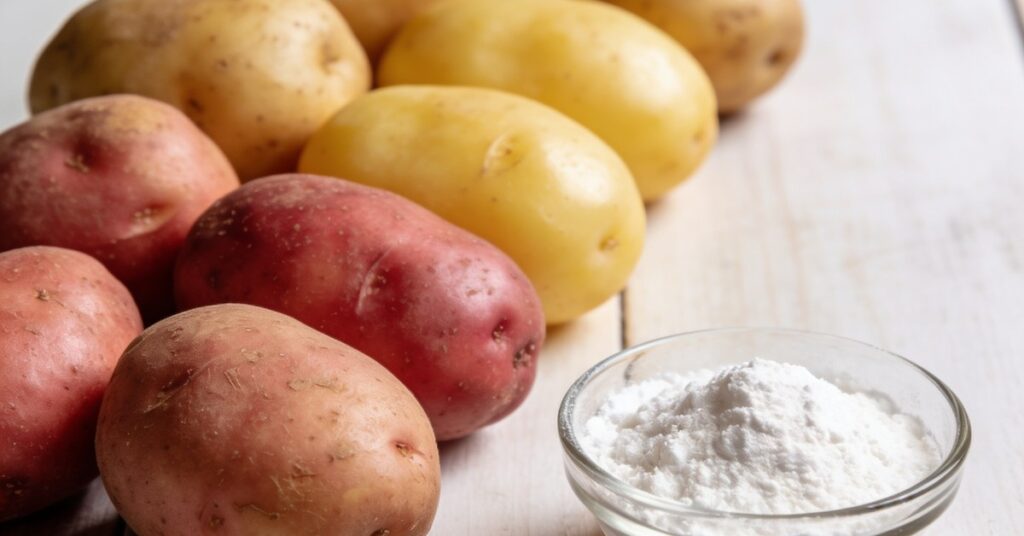
The direct answer to the question „do potatoes contain gluten” is a definitive no; raw, whole potatoes, including Russet, red, and Yukon Gold varieties, are naturally gluten-free. As starchy root vegetables rather than grains, they do not contain the proteins found in wheat, rye, barley, or triticale. For anyone managing intestinal health or recovering from surgery, plain fresh potatoes—whether baked, boiled, or roasted—serve as a safe, reliable source of essential nutrients like fibre, vitamin C, potassium, and vitamin B6.
Do potatoes contain gluten
Potatoes are classified as starchy vegetables rather than grains, which means they are naturally devoid of gluten. While the raw vegetable is inherently safe for those avoiding gluten, the potential for contamination arises significantly when these vegetables are processed or served as part of prepared dishes.
Are potatoes considered gluten-free?
In their pure, unprocessed state, potatoes are entirely gluten-free. They do not contain any traces of rye, wheat, barley, or triticale. Consequently, individuals suffering from coeliac disease or those observing a gluten-free diet can safely include potatoes in their nutritional regimen.
Risks associated with processed potato dishes
Whilst the vegetable itself is safe, culinary practices frequently introduce gluten into potato-based meals. Consumers should be cautious of the following common scenarios:
- French fries served in restaurants: These are frequently fried in the same oil as breaded products, leading to cross-contamination, or they may be dusted with wheat flour to enhance crispiness.
- Mashed potatoes: Recipes often utilise wheat-based roux or plain flour as a thickening agent.
- Potato crisps and processed snacks: These items may contain various flavourings, soy sauce derived from wheat, or malt vinegar.
- Frozen potato products: Many pre-packaged items incorporate pre-mixed flavourings, sauces, or starches derived from wheat.
Guidelines for maintaining a gluten-free diet
To ensure that your potato consumption remains strictly gluten-free, consider the following recommendations:
- Prioritise home cooking: Purchasing whole, raw potatoes and preparing them yourself is the most effective way to eliminate the risk of hidden gluten.
- Scrutinise ingredient labels: Always carefully check the packaging of any boxed or frozen potato products for mentions of barley, wheat, or rye.
- Communicate with restaurant staff: When dining out, verify whether the fryers are used for other breaded items and ask if any flour-based coatings or thickeners are used in their potato recipes.
Always consult with your medical practitioner for professional guidance tailored to your specific dietary requirements, as this information is for educational purposes only and does not serve as medical advice.
Are Potatoes Naturally Gluten-Free Food Options?
Potatoes are inherently free from gluten, as they are tubers and lack the specific proteins that trigger adverse reactions in those with Celiac Disease or non-celiac gluten sensitivity. Because they are classified botanically as root vegetables, they share no genetic or chemical lineage with wheat, barley, or rye. Whether you prefer the mealy texture of a Russet or the waxy consistency of a Red Bliss, the vegetable itself is entirely safe for your digestive tract. Understanding that „do potatoes contain gluten” is a common query among transplant patients highlights the necessity of absolute clarity when selecting ingredients for a sensitive, recovering gut.
Navigating Hidden Gluten in a Gluten-Free Diet
Processed potato products, such as instant flakes, tater tots, or frozen chips, are not always gluten-free and may contain hidden wheat-based thickeners or barley-derived malt flavourings. While the raw potato is safe, the manufacturing process often introduces additives to improve shelf life, texture, or flavour, which can be problematic for those with a sensitive gut. Ever wondered if that „quick fix” snack fits into your recovery plan? Always scrutinise the label, as some flavoured crisps utilise soy sauce or wheat-based seasonings.
Identifying Safe Potatoes Gluten-Free Products
| Product Type | Gluten Status | Risk Level |
|---|---|---|
| Fresh, Whole Potatoes | Naturally Gluten-Free | Very Low |
| Certified GF Frozen Fries | Safe | Low |
| Boxed Mashed Mixes | Variable (Check Label) | High |
| Restaurant/Fast Food Chips | High Risk | Very High |
Preventing Cross-Contamination in Soups and Sauces
Cross-contamination is the most common reason a naturally safe potato dish becomes unsafe, often occurring through shared cooking equipment or surfaces. In a restaurant setting, even if the potatoes themselves contain no gluten, they are frequently fried in the same oil as breaded items like chicken tenders or onion rings. This shared oil carries microscopic gluten particles that can trigger severe reactions in patients with high sensitivity or Celiac Disease. When you ask „do potatoes contain gluten” in a professional kitchen, the answer is often complicated by these shared practices, necessitating a cautious approach to dining out.
Managing Shared Cooking Environments
Beyond the fryer, flat-top grills used for breakfast potatoes can harbour wheat-based crumbs from pancakes or buns. Even at home, cross-contact can occur if you use wooden cutting boards or wooden spoons that have previously absorbed gluten from wheat products. To maintain a safe kitchen, follow these steps:
- Designate specific „gluten-free only” utensils if your household is mixed.
- Clean all surfaces thoroughly with hot, soapy water before prep.
- Use a dishwasher for utensils; it is highly effective at removing gluten proteins.
- Line baking trays with fresh parchment paper every single time.
How to Safely Eat Potatoes and Use Potato Flour
Preparing potatoes safely involves isolating them from any potential contact with wheat-based ingredients, such as pasta water or contaminated condiments. You should always boil your potatoes in clean, fresh water, ensuring they are never cooked in water previously used for wheat pasta. If you are thickening a mash, gratin, or soup, avoid wheat flour entirely and instead opt for safe alternatives like cornstarch, arrowroot, or pure potato starch.
Important: Always ensure that butter or sour cream tubs used as a topping are not contaminated by knives that have previously been used on bread or toast, as „double-dipping” is a common way to accidentally ingest gluten during recovery.
Frequently Asked Questions
Can I use potato flour as a thickener for gravies?
Yes, pure potato flour or starch is an excellent gluten-free thickening agent for your gravies and sauces. It provides a smooth texture without the need for wheat-based flour, making it ideal for those managing intestinal health.
Is it safe to eat potatoes from a shared fryer?
No, you should avoid eating potatoes from a shared fryer in restaurants due to the high risk of cross-contamination. The oil often contains particles from breaded items, which can be dangerous for someone with Celiac Disease.
Are sweet potatoes better for a gluten-free diet?
Sweet potatoes are just as safe as regular potatoes, as they are naturally gluten-free tubers. Both varieties are excellent choices for your diet, provided they are prepared in a clean, contamination-free environment.
How can I verify if packaged potato products are safe?
Always check the packaging for a certified gluten-free label to ensure the product was manufactured in a facility that avoids wheat cross-contamination. If the label is missing or unclear, it is safer to stick to whole, fresh potatoes prepared at home.
Stick to whole, fresh potatoes prepared in your own clean kitchen to ensure your digestive system remains safe from hidden gluten. Your recovery journey is significant, so always prioritise certified ingredients that support your long-term intestinal health.