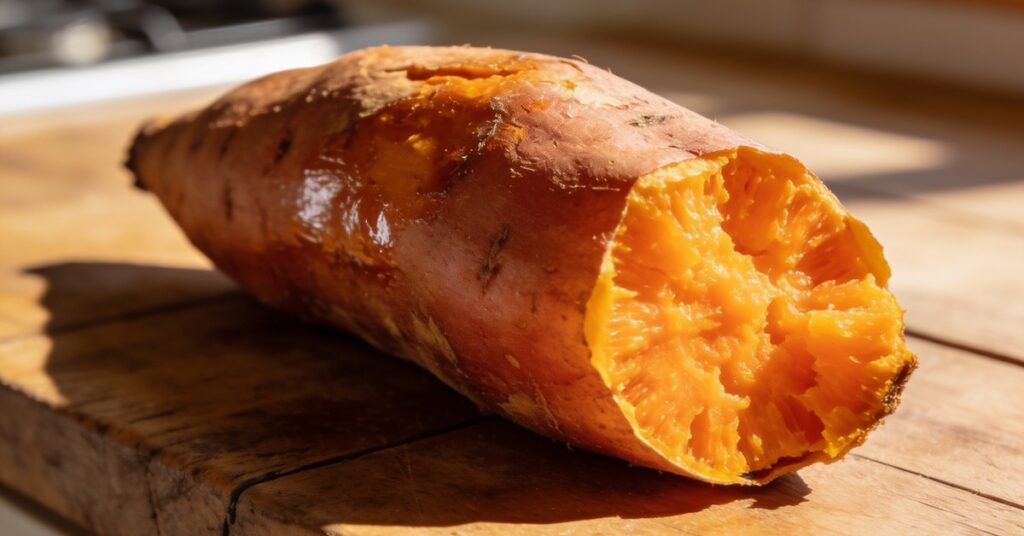
For patients managing intestinal failure or recovering from a transplant, selecting nutrient-dense, easily digestible foods is a cornerstone of long-term health and graft stability. This article provides a clear, evidence-based breakdown of 100g sweet potato nutrition to help you understand exactly how this vegetable impacts your glycaemic control, vitamin intake, and digestive comfort. You will learn the most effective preparation methods to maximise nutrient absorption while ensuring your dietary choices remain safe and supportive of your unique recovery journey.
A 100g serving of sweet potato is a nutritionally balanced choice, providing 86 calories, 1.57g of protein, 20.12g of carbohydrates, and a negligible 0.05g of fat. This profile makes it a reliable energy source for those requiring gentle, low-fat options to support their digestive tract during recovery.
100g Sweet Potato Nutrition
A standard 100-gram serving of cooked sweet potato offers various nutritional components depending on the preparation method and variety. Generally, consuming this portion provides around 86 to 90 calories, making it a nutrient-dense addition to a balanced diet.
Key Nutritional Breakdown
When you consume a 100-gram portion of orange-fleshed sweet potato prepared without the skin, the approximate macronutrient profile is as follows:
- Calories: 79–90 kcal
- Carbohydrates: 20 g
- Protein: 1.5–2 g
- Dietary Fibre: 3 g
- Sugars: 6 g
- Fat: 0.1 g
Nutritional Comparison for Larger Servings
For those consuming a larger potato, specifically a 180-gram serving, the nutritional values increase accordingly. A large sweet potato typically contains:
- Calories: 162
- Carbohydrates: 37 g
- Sodium: 71 mg
- Fat: 0.1 g
Essential Vitamins and Minerals
Sweet potatoes are highly regarded for their rich micronutrient content, which provides significant health advantages:
- Vitamin A: Exceptionally high in beta-carotene, often exceeding 100% of the recommended daily intake, which is vital for vision and skin health.
- Vitamin C: An essential nutrient that fortifies the immune system.
- Potassium: Plays a crucial role in maintaining proper heart function and muscle contractions.
- Manganese and Copper: These trace minerals are fundamental for supporting healthy metabolism and cellular function.
Nutritional Facts and Health Benefits of Sweet Potato
Sweet potatoes are an excellent source of essential micronutrients, offering over 100% of your daily value of Vitamin A, 337mg of potassium, and 30mg of calcium per 100g. These nutrients are vital for maintaining immune function, which is a constant priority when managing immunosuppression.
| Nutrient | Amount per 100g |
|---|---|
| Fiber | 3g |
| Vitamin A | >100% DV |
| Potassium | 337mg |
| Vitamin C | 2.4mg |
Ever wondered if this fits into your recovery plan? In my experience, while these 100g sweet potato nutrition stats look great on paper, the real win is how your body handles the fiber content; it is usually much kinder to a sensitive gut than raw vegetables.
Preparation, Starch and Glycaemic Impact of Sweet Potato
The glycaemic index (GI) of a sweet potato is highly sensitive to your preparation method, ranging from a low of 46 to a high of 94. For patients monitoring blood glucose, understanding these values is essential to prevent metabolic spikes during the digestive process.
- Boil for 30 minutes: GI ~46 (Best for stable glucose)
- Boil for 8 minutes: GI ~61
- Steam: GI ~63
- Bake/Roast: GI 76–94 (Use sparingly)
Comparison of Sweet Potato and Regular Potato Nutrition
Sweet potatoes generally outperform regular potatoes in terms of digestive-friendly fiber and essential vitamin content. While both varieties contain 21g of carbohydrates and 0.15g of fat per 100g, the sweet potato offers 3.3g of fibre compared to the 2.1g found in regular potatoes.
The micronutrient density also differs significantly; sweet potatoes provide over 100% of the daily value for Vitamin A and 22% for Vitamin C, whereas regular potatoes have negligible Vitamin A. Post-transplant recovery is a journey, and managing your nutrition is a huge step toward getting back to normal life.
Optimising Preparation for Mineral and Vitamin Absorption
You can maximise the nutritional yield of a 100g portion by using preparation techniques that preserve delicate antioxidants and improve bioavailability. Adding a drop of olive oil to your cooked serving is a practical way to boost the absorption of fat-soluble beta-carotene.
Remember: Use these steps to ensure you are getting the most out of your meal while keeping your gut happy:
- Wash thoroughly but keep the skin on to retain antioxidant capacity.
- Boil whole for 15–20 minutes with the lid on to prevent nutrient leaching.
- Add a small amount of healthy fat, like olive oil, to aid nutrient uptake.
- Consult your transplant team if you have specific concerns regarding potassium or starch intake.
Frequently Asked Questions
Is 100g sweet potato nutrition suitable for weight management?
Yes, at 86 kcal per 100g with a 50 GI and 3.0g of fiber, it contributes to satiety and metabolic stability. It serves as a useful tool for patients looking to maintain a healthy weight without compromising on nutrient density.
Is sweet potato safe for an ostomy or restricted diet?
Sweet potatoes are generally considered a safe, low-fat carbohydrate source, but always consult your clinical team regarding your specific digestive tolerance. Individual gut sensitivity varies significantly during the early stages of post-transplant recovery.
Why does the skin contain more antioxidants than the flesh?
The skin acts as a protective barrier for the vegetable and contains nearly 10 times the antioxidant capacity of the inner flesh. For those who can tolerate it, leaving the skin on during preparation provides an extra boost of essential compounds.
Can I consume sweet potato daily after a transplant?
You can typically include this food in your rotation if your transplant team approves, provided you monitor your potassium and starch intake. Consistency in your diet helps your care team track how different foods influence your overall graft function.
Focusing on 100g sweet potato nutrition allows you to enjoy a versatile, nutrient-dense food that supports your unique digestive requirements. Always opt for boiling or steaming to keep your glycaemic response low and your antioxidant intake high.