Managing your potassium intake is a vital component of protecting your long-term renal and cardiac health, especially when navigating the complex nutritional demands of intestinal recovery or post-transplant life. In this guide, I will provide you with evidence-based strategies to identify Low Potassium Foods, master preparation techniques like leaching, and confidently plan meals that support both your digestive system and your overall stability. By following these practical steps, you can take control of your daily nutrition with the precision and safety that your recovery requires, ensuring you maintain a Balanced Diet that supports your unique physiology.
Low Potassium Foods are defined as items containing less than 200 mg of potassium per serving, which are essential for individuals whose bodies cannot efficiently regulate electrolyte levels due to Chronic Kidney Disease, intestinal failure, or post-transplant medication side effects. Because Potassium is a mineral found in many foods and drinks, keeping track of your daily intake can feel overwhelming, but it is a primary tool for preventing High Potassium levels and maintaining the delicate mineral balance required for healthy cardiovascular and renal function. Ever wondered if your current meal plan is helping or hindering your recovery? Understanding that Potasium in your blood can rise rapidly when your kidneys are not working properly is the first step toward better Kidney Health.
Low potassium foods
Understanding a Low-Potassium Diet
Maintaining a specific dietary regimen is crucial for individuals who need to regulate their mineral intake for health-related reasons. Following a low-potassium diet usually involves selecting appropriate fruits, vegetables, proteins, and grains. It is important to adhere to these dietary guidelines unless a registered dietitian or a qualified medical professional advises otherwise.
Recommended Low-Potassium Fruits
When selecting fruits that are lower in potassium, consider the following options in moderate portion sizes:
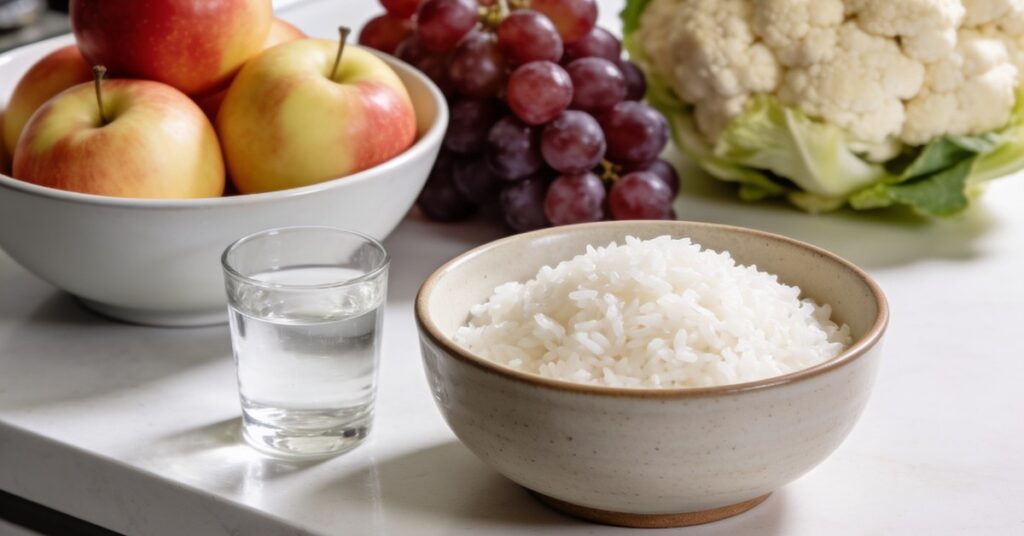
- Apples (fresh) or unsweetened applesauce
- Berries, such as blackberries, blueberries, and strawberries (generally restricted to half-cup servings)
- Grapes (both white and red varieties) and grape juice
- Pineapple, peaches, and watermelon
- Apricots (canned in juice, ensuring the liquid is drained)
Vegetables with Lower Potassium Content
Incorporating specific vegetables into your meals can help keep mineral levels stable. Vegetables typically recommended include:
- Cabbage (white or red)
- Asparagus (e.g., six raw spears)
- Carrots (cooked)
- Green beans (fresh or frozen)
- Cauliflower, cucumber, onions, and bean sprouts
- Broccoli (raw or cooked)
- Alfalfa sprouts and celery
Grains and Carbohydrate Choices
For those managing potassium intake, the following grains and bread products are frequently suggested:
- White or wholemeal bread, pita bread, bagels, croissants, chapatti, and paratha
- Plain pasta and noodles
- Rice (white or brown types)
- Breakfast cereals, such as cornflakes or rice-based cereals
Protein Sources
Opting for the right protein is essential for a balanced diet. You may consider these lower-potassium options:
- Poultry (chicken and turkey), beef, and pork
- White fish and canned tuna
- Eggs (whole eggs or egg whites)
Foods to Limit
Certain foods are naturally higher in potassium and should be consumed with caution or limited according to medical guidance:
- High-potassium produce: Avocados, bananas, blackcurrants, figs, gooseberries, and melons (such as honeydew or cantaloupe).
- High-potassium vegetables: Spinach, tomatoes, and potatoes often contain significant amounts of potassium.
Clinical Benefits and Physiological Impact on Blood Potassium Levels
A Low Potassium Diet is a critical medical intervention designed to prevent dangerous or deadly heart rhythms by reducing the strain on the cardiovascular system. When your system struggles to eliminate excess potassium, it can lead to hyperkalemia, a condition where high Blood Potassium Levels interfere with the electrical signals in your heart, potentially causing life-threatening arrhythmias. Potassium is a mineral that, while essential for nerve function and muscle contraction, becomes a significant health risk when your kidneys are not working properly and cannot filter it out effectively.
Beyond cardiac safety, this dietary approach significantly reduces the filtering load on damaged kidneys, which are often unable to manage high mineral concentrations independently. By keeping Blood Potassium Levels within a safe range, you effectively manage the retention caused by certain medications and provide essential support to your body during cases of kidney failure where kidneys cannot clean the blood properly. Your medical team, including your Dietitian, will often emphasize that you Need to Lower your intake to avoid the strain that high levels can cause on your remaining or transplanted tissue. Managing these levels is not just about restriction; it is about protecting your body from systemic inflammation and cardiovascular stress.
Identifying Low Potassium Foods and Fruit and Vegetables
The most reliable Low Potassium Foods choices contain 150 mg or less of potassium per serving, providing a safe buffer for those managing Chronic Kidney Disease or complex digestive recovery. To maintain a healthy intake, focus your daily menu on a variety of low-potassium Fruit and Vegetables that keep your mineral levels stable without sacrificing essential vitamins. It is important to remember that Potassium is found in many foods, so diversifying your plate with different food groups is the best way to ensure you are getting enough nutrients without overloading your system.
Recommended Starchy Foods and Produce
You can safely incorporate several nutrient-dense options into your diet, including apples, blueberries, cranberries, grapes, grapefruit, peaches, pears, pineapple, and raspberries. For vegetables, choose asparagus (up to 6 raw spears), bean sprouts, broccoli, cabbage, carrots, cauliflower, celery, and cherry tomatoes, while keeping corn portions to either half a cup or one small ear. These choices provide a Good Source of Fibre, which is essential for gut motility, especially for those recovering from surgery or managing an ostomy.
When selecting your base Starchy Foods, opt for white bread, white rice, pasta, couscous, or noodles, as these are low-potassium grains that provide energy without the higher mineral content found in whole grains. For protein, prioritize fresh chicken, turkey, beef, fish, and eggs, which are Good Sources of Protein and excellent low-potassium sources that support tissue repair and overall health in transplant recipients. Avoid foods such as bread that may be fortified with mineral-based preservatives, as these can sneakily increase your total daily intake.
Managing Dairy Foods and Alternatives
Dairy Foods must be strictly limited to a maximum of 300 ml (or 1/2 pint) of milk or yogurt per day to avoid exceeding your recommended potassium threshold. Because dairy is a significant source of minerals, choosing alternatives like rice milk, almond milk, or oat milk is a highly effective strategy for those who need to manage their intake more flexibly while still enjoying a creamy texture in their daily meals. Always check the labels, as some plant-based milks may contain added stabilizers that are not ideal for those with kidney problems.
Practical Methods to Lower the Potassium in Vegetables
Leaching is a specialized culinary technique used to Lower the Potassium content in root vegetables by 50% to 75%, making them safer for consumption by individuals with restricted dietary needs. Post-transplant recovery is a journey, and mastering these kitchen hacks is a huge step toward getting back to normal life without feeling like you are constantly living under a microscope. When you Boil Potatoes and Vegetables, much of the mineral content is lost into the cooking water, which is why discarding this liquid is mandatory for safety.
The Leaching Process in the Kidney Kitchen
Follow these steps in your Kidney Kitchen to ensure you are effectively stripping away excess minerals from your root vegetables:
- Peel and slice vegetables into thin, 1/8-inch pieces to maximise surface area.
- Soak the slices in warm water for 2 to 4 hours using a 10:1 water-to-vegetable ratio.
- Rinse the vegetables thoroughly in clean, warm water to remove surface starch and minerals.
- Boil in fresh water using a 5:1 volume ratio and discard all used water.
Important: Always discard all soaking and boiling water after the process, as this liquid now contains the concentrated potassium you are trying to avoid. Using this method reduces the Potassium Content of the food significantly, allowing you to enjoy variety without the associated risks. Never use this liquid to make Gravy or soup, as it is essentially a concentrated mineral solution that can cause dangerous side effects for your kidneys.
Navigating Food Labels and Processed Food Additives
Reading Food Labels accurately is the only way to identify hidden mineral sources, as potassium content is often optional on packaging unless a specific health claim is made by the manufacturer. You should treat any Processed Food with over 250 mg of potassium per serving as high and avoid it, while looking for products where the Daily Value (% DV) is 5% or less to ensure they are safe for your low-potassium requirements. Be aware that many foods and drinks contain additives that are not immediately obvious to the untrained eye.
Be vigilant when scanning ingredient lists for any Additive such as potassium chloride, potassium lactate, or potassium citrate, as these are common yet dangerous sources of hidden minerals. Additionally, avoid all Salt Substitutes and „light” salts in your kitchen, as they contain Potassium Chloride and are formulated with high concentrations that can cause rapid, unsafe spikes in your blood levels. Always remember that if you consume twice the listed serving size, you must double the total potassium amount to keep your tracking accurate. High levels of potassium are often hidden in items like cereal, canned products, and snack foods, so always be a detective in the supermarket.
Strategic Meal Planning with your Dietitian for Chronic Kidney Disease
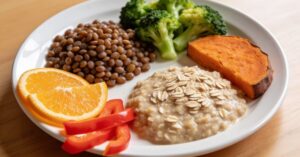
Effective meal planning for an intestinal transplant or kidney-conscious patient involves targeting 600–700 mg of potassium per meal and 100–200 mg per snack to reach a total daily intake of 1800–2200 mg. By spreading your intake evenly, you avoid the metabolic stress of large, concentrated doses of minerals and maintain a steady, safe level of potassium in your bloodstream throughout the day. Your Dietitian at a Teaching Hospitals NHS Trust or local NHS Trust service can provide specific Advice to Help you tailor these targets to your unique graft function and blood test results.
To stay on top of your game, I recommend a simple routine for your nutritional management in collaboration with your Dietitian:
- Consult your Dietitian to personalise these daily targets based on your latest blood work.
- Keep a food diary for at least two weeks to identify hidden potassium trends.
- Check in with your transplant coordinator regarding any new supplements or herbal teas, as these are often high in minerals.
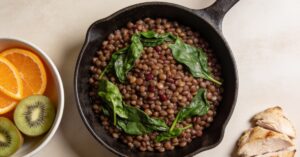
To build your menu, replace high-potassium greens like spinach, chard, or beet greens with kale, cabbage, or green beans, and swap out potatoes for white rice, pasta, or couscous. Always soak canned or dried beans overnight and drain the water before cooking to reduce their mineral content, and use flavour-enhancing ingredients like pepper, fresh or dried herbs, spices, lemon juice, chilli, or garlic to keep your meals delicious without needing potassium-heavy salt substitutes. Remember that a Healthy Diet is about balance, so incorporate a variety of foods from different food groups to avoid nutritional deficiencies while managing your intake.
Recognising the Signs of High Blood Potassium Levels
Monitoring your body for signs of high potassium is a crucial responsibility for anyone managing a restricted diet, as early detection can prevent serious medical emergencies. Watch for symptoms such as muscle weakness, nausea, numbness, tingling, or a general sense of fatigue, which can indicate that your body is having difficulty processing the minerals in your current diet. People with kidney problems must be particularly diligent, as their bodies have a reduced capacity to compensate for dietary fluctuations.
More severe indicators that require immediate medical attention include heart palpitations, chest pain, shortness of breath, or arrhythmia, which is defined as an irregular, fast, or fluttering heartbeat. If you experience these symptoms, it is essential to contact your transplant team or healthcare provider immediately, as they are clear signals that your blood minerals may be outside of the safe range. Drinking Plenty of Water is also vital to help your kidneys function as optimally as possible, though always confirm your fluid allowance with your medical team.
Frequently Asked Questions
How do I differentiate between potassium and Phosphate Levels on a label?
Potassium is listed as potassium on the label, whereas Phosphate Levels are often hidden under ingredients containing „phos,” such as dicalcium phosphate or phosphoric acid. You should always scan the ingredient list for these Phosphate Additives as they are common in processed items and are needed for healthy bones but can be harmful in excess.
Can I safely consume frozen vegetables?
Frozen vegetables are often safe, provided they are plain and have no added sauces or seasonings that contain potassium-based preservatives. Always check the packaging to ensure there was no blanching process that might have added extra mineral content, and treat them with the same caution as fresh produce.
Why is the Need to Lower potassium intake so urgent after a transplant?
The Need to Lower your intake arises because certain immunosuppressive medications can affect how your kidneys process minerals, potentially leading to dangerous accumulation. Maintaining strict control helps protect your graft function and overall cardiovascular health, ensuring your body can focus on healing rather than electrolyte management.
Are organic foods better for someone with Chronic Kidney Disease?
Organic labels do not guarantee a lower mineral content, so you should focus primarily on the nutritional data provided on the label rather than the farming method. Always prioritise fresh, whole foods that you have prepared yourself to ensure you know exactly what is in your meal, and avoid any item labeled with „potassium” in the ingredients list.
Mastering these simple leaching techniques and reading labels will empower you to enjoy your meals with confidence while keeping your electrolyte levels within a safe, healthy range. Remember that every small, informed choice you make is a significant victory for your long-term digestive and cardiac wellbeing.