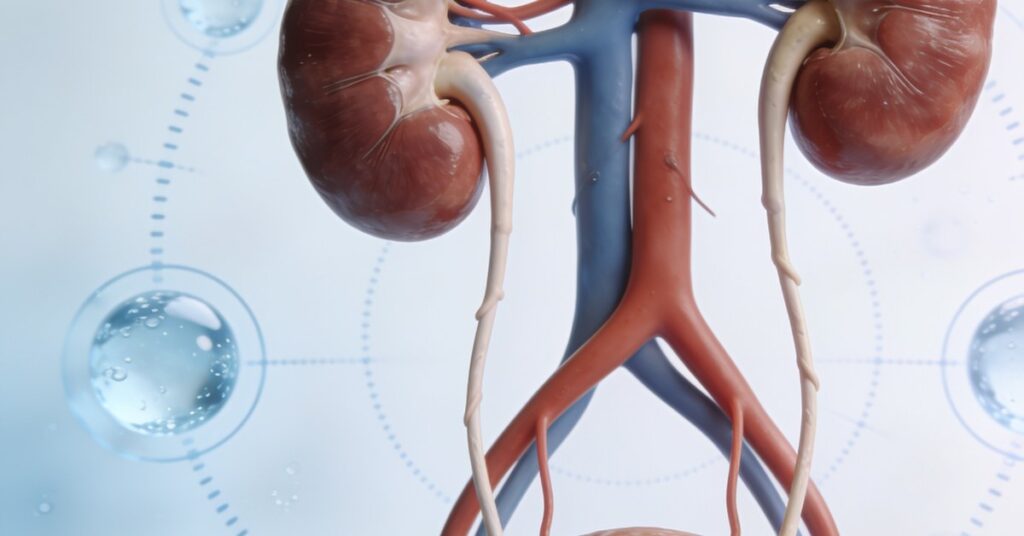
Monitoring fluid balance is a critical aspect of post-transplant recovery and digestive health, as unexpected changes in urine output can often be an early indicator of your body’s internal status. In this article, you will find expert-led insights into why you might be drinking plenty of fluids but not urinating as expected, including when to manage your intake and when to seek urgent medical advice. We will guide you through the clinical realities of fluid retention and renal health, helping you navigate these symptoms with confidence and clarity.
If you are drinking lots of water but not peeing much, your body is likely retaining fluid due to hormonal signals, electrolyte imbalances, or underlying physiological obstructions that prevent the kidneys from excreting waste. This phenomenon, often termed Oliguria, suggests that the fluid you consume is being sequestered in your tissues or that your renal filtration system is under stress, requiring you to monitor your output closely and consult a medical professional if the condition persists for more than 24 hours. Many patients find that the experience of drinking lots of water but not peeing much serves as a primary signal that their internal fluid regulation is temporarily out of sync, necessitating a closer look at their dietary habits and medication list.
Drinking lots of water but not peeing much
Understanding Low Urine Output
Consuming significant amounts of water while experiencing minimal urination may indicate that your system is suffering from profound dehydration, experiencing fluid retention triggered by an underlying health condition, or perhaps dealing with a urinary obstruction. It is essential to recognise that this discrepancy is a significant warning sign that should not be disregarded.
Potential Causes for Reduced Urination
Several factors can contribute to a decrease in urine production, even when fluid intake is high:
- Severe Dehydration: When the body loses fluids rapidly through perspiration, intense heat, episodes of vomiting, or diarrhoea, it tends to retain available water to maintain essential functions.
- Renal Impairment: The kidneys may face difficulties in effectively filtering and processing fluids.
- Urinary Obstructions: Complications such as kidney stones, an enlarged prostate, or other physical blockages can physically prevent urine from exiting the bladder.
- Medication Side Effects: Specific pharmaceuticals, including non-steroidal anti-inflammatory drugs (NSAIDs) or treatments for hypertension, can influence how the body regulates urine output.
- Serious Infections: Severe systemic infections may impact how the urinary system operates.
When to Consult a Medical Professional
If you find that you have not passed any urine for a period exceeding 12 hours, you must seek urgent medical attention. Furthermore, you should consult a doctor immediately if you present any of the following symptoms:
- Acute pain in the abdomen or lower back.
- Episodes of confusion, feelings of dizziness, or extreme lethargy.
- Visible swelling in the legs, feet, or abdominal region.
- Persistent vomiting or the presence of a high fever.
Treatment Strategies
The approach to resolving low urine output is entirely dependent on the underlying diagnosis. Potential medical interventions may include:
- The surgical or clinical removal of any detected blockages.
- Prescribed courses of antibiotics or antifungal medication to treat infections.
- Adjusting or ceasing the use of specific medications that may be hindering renal function.
General Hydration and Health Considerations
A healthy individual typically produces between 1 and 2 litres of urine daily. While water is widely considered the optimal beverage for supporting kidney health and managing general pain or discomfort, maintaining a balance is key. Dehydration is a common issue for travellers, and while staying hydrated is vital—especially during bouts of illness—any persistent inability to urinate despite increased intake necessitates a professional clinical evaluation to rule out serious internal complications.
Defining Oliguria and Recognizing Clinical Thresholds for Urinary Health
Oliguria is a clinical term used to describe a state where urine output falls below the threshold necessary to maintain adequate waste clearance. In adults, this is defined as producing less than 400 mL to 500 mL of urine per 24 hours, a measurement that serves as a vital red flag for clinicians monitoring patients after complex gastrointestinal surgeries.
Clinical Metrics for Urine Production and Dehydration in Infants
The thresholds for low urine output are adjusted based on patient age to account for varying metabolic demands. Ever wondered if your output falls within the normal range? Use this table as a quick reference guide for your daily observations:
| Patient Category | Oliguria Threshold |
|---|---|
| Adults | < 400-500 mL / 24 hours |
| Infants | < 1 mL / kg / hour |
| Children | < 0.5 mL / kg / hour |
If you or a loved one experience a complete absence of urine output for 12 to 24 hours, this is considered a clinical emergency that necessitates immediate contact with a healthcare provider. As someone who has navigated the complexities of intestinal health, I cannot stress enough how vital it is to record these figures accurately, as they provide your transplant team with the concrete evidence they need to adjust your medical protocol.
Physiological Causes and Medical Advice for Urinary Tract Blockage
Reduced urination despite high water intake is often caused by medical conditions that obstruct the urinary tract or systemic failures that impede the kidneys’ ability to process fluids. When your kidneys are not functioning at their peak—perhaps due to the long-term impact of medications or chronic health conditions—the body struggles to maintain the normal cycle of fluid ingestion and excretion.
Physical Obstructions and Prostate Issues
Physical blockages are a primary culprit for low urine output, with kidney stones being a frequent cause as they lodge in the ureters or the bladder neck, creating a literal barrier to flow. Furthermore, conditions such as Benign Prostatic Hyperplasia (BPH) can cause bladder outlet obstruction, while serious renal issues like Acute Kidney Injury (AKI) trigger a sudden drop in filtration function. Chronic Kidney Disease (CKD) also features prominently in this conversation, as the disease impairs the kidney’s ability to produce adequate urine in its more advanced stages. It is important to remember that when you are drinking lots of water but not peeing much, the issue is rarely about the amount of fluid you are consuming, but rather about the mechanical or physiological barriers preventing that fluid from exiting the body.
Medication Impacts on Urination
Many common medications can inadvertently inhibit your body’s ability to urinate by affecting muscle contraction or renal blood flow. Post-transplant recovery is a journey, and managing your medication and nutrition is a huge step toward getting back to normal life; keep in mind that the following agents often interfere with urinary function:
- Anticholinergics (often used for gut motility).
- Antihistamines.
- Muscle relaxers.
- NSAIDs (e.g., ibuprofen).
- Various blood pressure medications.
How Dehydration and Electrolyte Balance Prevent Dehydration
Dehydration causes the kidneys to lower urine output as a survival mechanism to preserve existing fluid levels within the body. When you are in a state of chronic or acute dehydration, your kidneys attempt to compensate by concentrating urine, which explains why you may feel like you are drinking plenty of water without seeing the expected increase in toilet visits.
Sweating and Sodium Retention
Sweating triggers the release of Antidiuretic Hormone (ADH) into the bloodstream, which signals the kidneys to reabsorb water rather than excreting it as waste, leading to a smaller volume of darker, concentrated urine. If you are sweating heavily and consume plain water without electrolytes, you may inadvertently prevent proper rehydration because the body requires sodium to retain that ingested water. In hot or humid weather, this sweat-related fluid loss is exacerbated, and if your blood sodium concentration drops too low, the kidneys may further excrete water to maintain balance, creating a complex cycle of retention and loss. Managing your electrolyte intake is often the missing piece in the puzzle for patients struggling with fluid retention.
The Impact of Salt Intake on Frequent Urination and Fluid Management
High sodium intake can paradoxically lower overall daily fluid intake while causing the body to conserve more water internally, often adding about 1.5 litres of extra fluid to your system. While the recommended limit for sodium intake is 2300 mg per day, many individuals consume over 3400 mg daily, which significantly alters how the kidneys manage free-water clearance.
A 6-g/d increase in salt intake reduces free-water clearance and increases urine osmolyte excretion, meaning your urine becomes more concentrated with waste products. By consuming excessive sodium, you increase the concentration of these waste products, which forces the body to hold onto more fluid to maintain stability, directly impacting your frequency of urination. Many patients wonder if specific nutrients are safe, but in my experience, sticking to the guidance of the transplant team regarding your daily intake is the best policy to avoid these fluctuations.
When to See a Doctor for Severe Dehydration and Kidney Function
You should seek emergency medical care if you have not urinated in 12 to 24 hours, as this is a clear sign that your body is failing to process fluids correctly. Medical consultation is also strictly advised if any signs of low urine output persist for more than 24 hours, as early intervention can prevent the progression of renal complications.
Important: If you notice you are producing little to no urine for a full day, contact your GP or transplant coordinator immediately, as they can assess whether the issue is related to physical blockages, medication side effects, or a more serious decline in kidney function.
To keep your recovery on track, try following these simple monitoring steps:
- Keep a daily intake and output log to identify trends.
- Consult your dietitian about your specific fluid and electrolyte needs.
- Monitor for physical symptoms like swelling or rapid weight gain.
- Check your medication list with your pharmacist for potential urinary side effects.
Frequently Asked Questions
Does the colour of my urine indicate the severity of dehydration?
Yes, darker urine typically indicates that your kidneys are concentrating waste to preserve water, which is a common sign of dehydration. However, if you are well-hydrated and still producing very little urine, this may point toward a mechanical or renal issue rather than just fluid volume.
Can drinking too much water cause issues if I am not urinating?
Drinking excessive amounts of water without proper electrolyte balance can lead to hyponatremia, a condition where blood sodium levels become dangerously diluted. This is particularly relevant for transplant patients whose kidneys may not be able to process large fluid loads efficiently.
Are there specific foods that help with fluid retention?
While no single food acts as a miracle cure, focusing on a balanced intake of potassium and magnesium can support healthy kidney function. Always verify any major dietary shift with your transplant dietitian to ensure it does not interfere with your immunosuppressive medications.
How do I differentiate between a bladder blockage and general dehydration?
A bladder blockage often presents with an urgent, painful need to urinate that results in little to no output, whereas general dehydration is usually accompanied by thirst, dry mouth, and lethargy. If you experience pain or an inability to empty your bladder, you must see a doctor immediately to rule out an acute obstruction.
Tracking your daily fluid intake alongside your electrolyte balance is the most effective way to understand your body’s unique hydration needs. Should you notice a complete absence of urine for more than 12 hours, please reach out to your medical team immediately to ensure your continued safety and recovery.