Navigating dietary choices after an intestinal transplant or while managing complex digestive conditions requires a careful balance between enjoying familiar comfort foods and meeting your unique nutritional requirements. In this article, you will learn how to evaluate the macronutrient and glycaemic profile of banana bread to determine its place in your recovery diet. We provide evidence-based strategies for modifying recipes to ensure they align with your digestive tolerance and long-term health goals.
The Nutrition Facts of Banana Bread vary drastically depending on preparation, with a standard 60g slice typically containing 196 to 250 kcal, 30–35g of carbohydrates, and 7–10g of fat. While commercial bakery slices often exceed 400 calories due to larger sizes and added fats, homemade versions can be significantly lighter and tailored to support specific digestive needs.
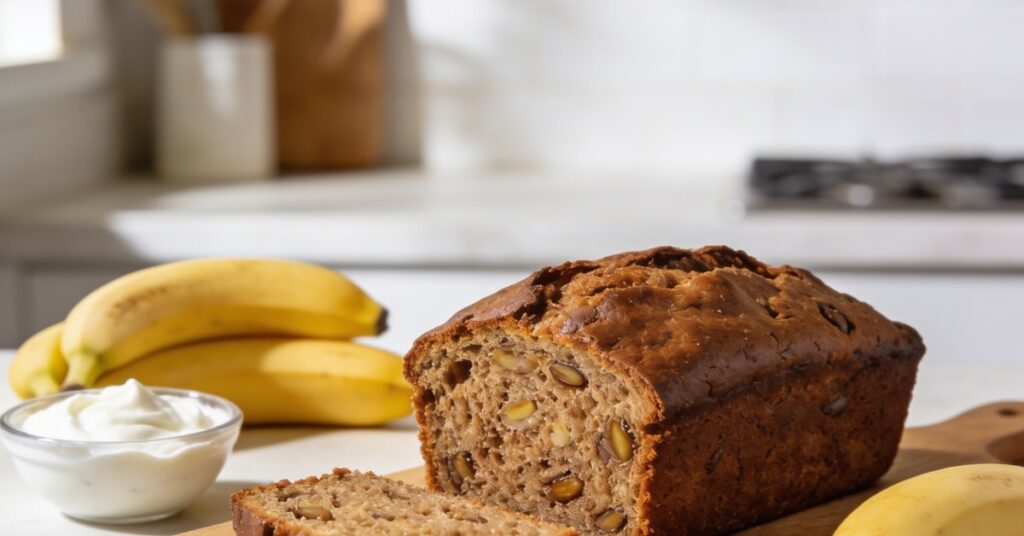
Nutrition facts of banana bread
The Nutritional Composition of Traditional Banana Bread
An average portion of classic banana bread typically offers between 200 and 250 calories. The macronutrient profile generally consists of 30–40g of carbohydrates, 10–15g of sugar, and 5–8g of fat. Whilst this treat is often limited in terms of protein and fibre, the inclusion of bananas ensures a decent intake of potassium and Vitamin B6.
Variability in Nutritional Profiles
Nutritional values can fluctuate significantly depending on the specific ingredients and preparation techniques utilised. Depending on the recipe, some slices may contain higher energy values, reaching over 400 calories and 40g of sugar, highlighting the importance of individual recipe assessment.
Strategies for Optimising Your Banana Bread
If you are monitoring your macronutrients or wish to improve the nutritional profile of your bake, consider the following modifications to keep your snack energising yet wholesome:
- Incorporate Yoghurt or Fruit Puree: Swapping butter or oil for unsweetened applesauce or Greek yoghurt is an excellent method to reduce saturated fat while maintaining a moist texture.
- Utilise Alternative Flours: Replacing standard white flour with wholemeal or almond flour increases fibre and protein content. Note that almond flour will heighten the fat content compared to grains.
- Boost Protein: Integrating a scoop of protein powder creates a more satiating option, which serves well as a post-exercise snack or morning meal.
- Opt for Natural Sweeteners: Move away from refined sugars by using naturally sweet ingredients like ripe dates, extra mashed bananas, or small amounts of maple syrup.
- Whole Grain Integration: Substituting a portion of your plain flour with whole wheat varieties is a simple way to elevate the fibre content of your loaf.
Customisation and Dietary Choices
The versatility of banana bread allows for numerous creative additions, such as dark chocolate pieces, assorted fruits, or nut butters, all of which alter the final macro count and texture. While some bakers choose ingredients like almond meal to support weight management goals, it is essential to consider the calorie density of nuts. Ultimately, by adjusting your ingredients, you can transform a traditional tea-time staple into a more nutrient-dense and balanced treat.
Nutritional Composition and Macronutrient Breakdown per 100g
A standard 60g portion of banana bread provides a concentrated source of energy, with approximately 33g of carbohydrates and 3g of protein, making it a calorie-dense option for those requiring weight maintenance. When analysed per 100g, this food contains 326 calories, 53g of carbohydrates, 10g of fat, and 4g of protein, though specific formulations can vary, with some commercial slices reaching 421 calories and nearly 16g of fat.
| Nutrient | Standard Slice (60g) | Commercial Slice (Large) |
|---|---|---|
| Calories | 196–250 kcal | 400+ kcal |
| Carbohydrates | 30–35g | 68g+ |
| Fat | 7–10g | 15g+ |
For individuals monitoring their intake, it is essential to account for the sodium content, which typically sits between 150–200mg per slice, although some recipes may reach 259mg. Additionally, specific servings can contain 62mg of cholesterol and 2g of dietary fibre, depending on whether refined or whole-grain flours are utilised in the baking process.
Banana Bread Nutrition and Micronutrient Content
The Nutrition Facts of Banana Bread reveal it can serve as a supplementary source of essential vitamins and minerals, provided the recipe incorporates nutrient-dense ingredients. One medium banana, a key component, offers 14% of the Daily Value (DV) for vitamin B6 and 8% for potassium, while the finished loaf may also provide up to 25% of the DV for phosphorus, 10% for magnesium, and significant amounts of iron and B vitamins if enriched flour is used.
Regarding blood sugar management, standard banana bread has a glycaemic index (GI) of approximately 60, which drops to around 50 when whole-grain or low-sugar variants are prepared. The glycaemic load (GL) for a 100g portion is roughly 30, though targeted recipes, such as the Diabetes UK version, offer a more controlled 20.8g of carbohydrates and 11.9g of sugars per 58g serving for those needing stricter glycaemic oversight.
Adapting Banana Bread Recipe Nutrition for Digestive Tolerance
You can significantly improve the digestive suitability and nutrient density of banana bread by replacing refined ingredients with gut-friendly alternatives. Substituting butter or oil with unsweetened applesauce, plain Greek yogurt, or pumpkin puree effectively lowers the fat content, while using overripe bananas with brown spots increases natural sweetness, reducing the need for added white or brown sugar.
- Reduce added sugar by half to maintain texture while lowering sweetness.
- Replace butter or oil with unsweetened applesauce or plain Greek yogurt.
- Use whole wheat or oat flour to increase dietary fibre.
- Omit high-calorie mix-ins like chocolate chips or heavy nuts.
Post-transplant recovery is a journey, and managing your nutrition is a huge step toward getting back to normal life; in my experience, keeping a watchful eye on these small swaps makes a massive difference in how you feel day-to-day. Remember: Always consult your transplant team before making major diet changes, as your specific requirements for graft function and medication absorption are unique.
Storage and Safety Guidelines for Banana Bread
Maintaining the integrity and safety of your banana bread is paramount for those with sensitive gastrointestinal tracts or compromised immune systems. Once baked at 350 degrees F for 35-45 minutes, a loaf can be safely stored at room temperature for 3–5 days, or kept in the freezer for up to 3 months to prevent spoilage and ensure consistent availability.
Frequently Asked Questions
Is banana bread considered a healthy snack or a dessert?
Traditional recipes high in refined sugars and fats are best classified as desserts. However, by using Greek yogurt, natural sweeteners like honey, and whole grains, it can be adapted into a nutrient-dense snack.
How can I lower the calories in a homemade loaf?
You can achieve approximately 100 calories per slice by omitting oils and using four bananas for natural sweetness. Replacing refined flours with healthier alternatives like oat flour further reduces the calorie density per serving.
Is banana bread safe for someone with digestive health issues?
While the ingredients are generally well-tolerated, the fibre and sugar content should be adjusted to meet your specific clinical guidance. Always consult your dietitian before introducing new recipes during your recovery phase.
Does the ripeness of the fruit affect the glycaemic impact?
Yes, the glycaemic index of a banana ranges from 30 to 75 depending on ripeness, with more mature, spotted fruit having a higher concentration of simple sugars. Using moderately ripe fruit can help manage the overall glycaemic response of your baked goods.
Understanding the precise Nutrition Facts of Banana Bread empowers you to enjoy a comforting treat while staying aligned with your unique digestive needs. Prioritising whole-grain flours and natural sweeteners is the most effective way to protect your intestinal health while savouring every bite.